
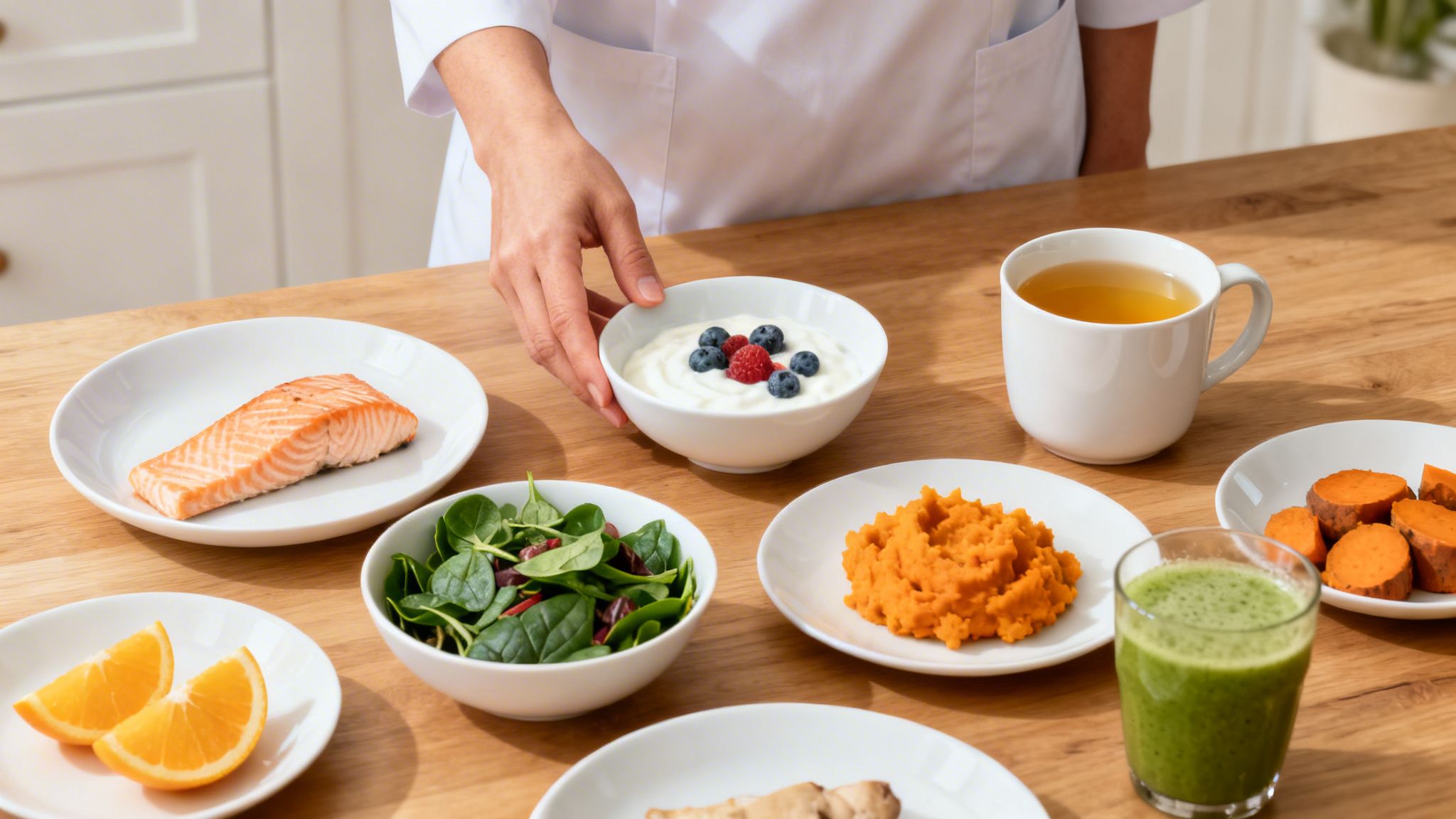
After a loved one has surgery, whether at Virginia Hospital Center or Inova Fairfax, their safe return home to Arlington marks the start of a crucial recovery period. The initial days and weeks are vital, and nutrition becomes one of the most powerful tools in a family caregiver's hands. The right diet can significantly accelerate healing, reduce the risk of infection, and rebuild strength, while the wrong one can hinder progress. This guide is designed to remove the guesswork, focusing on specific foods that promote healing after surgery and offering practical, easy-to-implement advice for families across Northern Virginia.
This is not a generic list of "healthy" items. Instead, we will explore precisely why certain foods are beneficial post-operatively, detailing the specific nutrients that repair tissue, support immune function, and fight fatigue. For each food group, you will find actionable tips on preparation, portion sizes, and texture modifications suitable for seniors who may have difficulty chewing or swallowing. We will also provide sample meal ideas to make grocery shopping and meal planning simpler during this demanding time. The goal is to equip you with the knowledge to make your role as a caregiver more effective and help your loved one get back on their feet faster and with fewer complications.
Understanding the connection between diet and recovery is key. Many post-surgical challenges are linked to inflammation, and a well-planned diet can help manage this natural response. For a broader understanding of how diet supports recovery, exploring a definitive guide on foods that reduce inflammation can provide additional valuable context for your loved one's healing journey.
1. Bone Broth & Hydration (Protein-Rich Broth and Herbal Teas)
Proper hydration and targeted nutrition are foundational to recovery, and this dual approach is among the most effective starting points in the list of foods that promote healing after surgery. Bone broth, a nutrient-dense liquid, serves as an ideal bridge food between a clear liquid diet and more solid foods. It provides easily digestible protein, collagen, and amino acids like glycine and proline, which are essential for rebuilding tissue, reducing inflammation, and supporting gut health after anesthesia and medication.
Simultaneously, maintaining optimal fluid intake through water and herbal infusions is critical. Hydration supports circulation, helps the kidneys flush out metabolic waste from medications, and prevents complications like constipation and dizziness. Specific herbal teas, particularly those with ginger and turmeric, offer additional, targeted benefits.
Why It Works for Surgical Recovery
The healing process places immense demands on the body, increasing its need for protein, vitamins, and minerals. Bone broth delivers these in a warm, soothing, and easily absorbed format. The collagen and gelatin support skin and connective tissue repair, which is vital for incision healing.
For those recovering from joint replacement or orthopedic surgery, the building blocks in bone broth can directly support cartilage and bone health. Herbal teas complement this process. Ginger is well-documented for its anti-nausea properties, often reducing the need for antiemetic drugs post-operation. Turmeric, with its active compound curcumin, provides potent anti-inflammatory effects that can help manage swelling and discomfort naturally.
Key Insight: A combined strategy of using bone broth for foundational nutrients and targeted herbal teas for symptom management (like nausea and inflammation) creates a powerful, supportive post-operative diet. This approach addresses both tissue repair and patient comfort.
Practical Tips for Caregivers
- Serving and Portioning: Serve bone broth warm, not hot, to make it easier to drink. A good starting point is 8-16 ounces daily. For easy portioning, freeze homemade broth in ice cube trays or silicone molds.
- Hydration Goals: Aim for a baseline of 30-35 mL of fluid per kilogram of body weight each day (roughly 2 to 3 liters for an average adult). Encourage sipping throughout the day rather than drinking large amounts at once.
- Variety is Key: Offer a mix of fluids to prevent "flavor fatigue." This can include plain water, diluted coconut water for electrolytes, and herbal teas.
- Symptom-Specific Teas:
- For Nausea: Steep 1-2 grams of fresh, grated ginger in hot water. Strain and serve.
- For Inflammation: Prepare "golden milk" or turmeric tea once or twice daily. Adding a pinch of black pepper can increase curcumin absorption.
- Monitor Hydration: Check that urine color is a pale, light yellow, which indicates adequate fluid intake. For patients with swallowing difficulties, crushed ice chips or sugar-free popsicles are excellent alternatives.
2. Wild-Caught Fatty Fish (Salmon, Mackerel, Sardines)
Incorporating wild-caught fatty fish into a post-surgical diet is an effective strategy for managing inflammation and supporting tissue repair. These fish are premier sources of omega-3 fatty acids, specifically eicosapentaenoic acid (EPA) and docosahexaenoic acid (DHA), which are known for their powerful anti-inflammatory properties. Beyond healthy fats, they provide high-quality, easily digestible protein essential for rebuilding muscle and supporting a recovering immune system.

The combination of protein, omega-3s, vitamin D, and selenium makes fatty fish one of the most complete foods that promote healing after surgery. This is particularly beneficial for patients who have undergone major procedures like cardiac or orthopedic surgery, where reducing systemic inflammation is a key recovery goal.
Why It Works for Surgical Recovery
The body’s inflammatory response is a natural part of healing, but when it becomes excessive, it can increase pain, swelling, and recovery time. The EPA and DHA found in fatty fish help to naturally modulate this response. This nutritional support has been shown to be especially helpful for post-cardiac surgery patients, who often benefit from the heart-protective qualities of omega-3s.
Furthermore, the high-quality protein is vital for cellular repair and wound closure. Studies have indicated that patients recovering from hip fractures who consume fatty fish regularly experience improved bone healing. Among wild-caught fatty fish, Salmon is a particularly excellent source of anti-inflammatory omega-3s essential for recovery. The vitamin D content also plays a critical role in bone health and immune function, rounding out its healing profile.
Key Insight: The true power of fatty fish lies in its dual-action support. It simultaneously provides the anti-inflammatory benefits of omega-3s to manage post-op swelling and the high-quality protein needed to physically rebuild damaged tissues, speeding up the healing process from two different angles.
Practical Tips for Caregivers
- Serving and Portioning: Aim for a 3-4 ounce serving of fatty fish, 2-3 times per week. This provides a therapeutic dose of omega-3s without being overwhelming.
- Texture is Important: For patients with chewing or swallowing difficulties, bake or poach the fish until it is very tender. It can be easily flaked with a fork and mixed with soft foods like mashed potatoes or pureed vegetables.
- Convenient Options: Canned wild salmon or sardines are affordable, shelf-stable, and just as nutritious as fresh fillets. They are perfect for quick, no-cook meal preparations.
- Meal Prep: For busy families in Arlington or Fairfax, caregivers can prepare and freeze pre-portioned fish fillets. Simply bake several fillets at once, portion them, and freeze for easy reheating.
- Shopping Tip: Always choose wild-caught over farmed fish when possible. Wild-caught varieties typically have a higher concentration of omega-3s and lower levels of potential contaminants. Brands like Wild Planet and Vital Choice are reliable sources.
3. Vitamin C-Rich Citrus Fruits and Berries
Incorporating fruits rich in vitamin C, like citrus and berries, is a critical step when considering foods that promote healing after surgery. This powerful antioxidant is vital for the creation of collagen, a protein that forms the structural foundation of skin, tendons, and blood vessels. Following an operation, the body's demand for vitamin C can increase substantially as it works to repair tissues and build strong, healthy scar tissue.
These vibrant fruits offer more than just a single nutrient. They also provide flavonoids and other antioxidants that protect cells from stress and support a robust immune response, which is often taxed by the physical trauma of surgery and anesthesia. Offering them as fresh juices, purees, or whole fruits can provide a refreshing and potent boost to the recovery process.
Why It Works for Surgical Recovery
The body's ability to mend itself is directly tied to its nutrient reserves, and vitamin C is a key player in wound closure and tissue regeneration. It acts as a cofactor for enzymes that synthesize and stabilize collagen, ensuring new tissue is strong and resilient. Studies have shown a clear link between adequate vitamin C levels and improved healing outcomes. For instance, post-facelift patients consuming higher doses showed better scar quality, and orthopedic surgery patients often experience improved wound closure with supplementation.
Beyond collagen, vitamin C supports the function of immune cells like phagocytes and neutrophils, helping the body defend against post-operative infections. For seniors, whose immune systems may be less responsive, this benefit is especially important. The antioxidant properties of berries and citrus also help combat inflammation, contributing to reduced swelling and discomfort around the incision site.
Key Insight: After surgery, the body's need for vitamin C can rise to 200-500mg daily to optimize collagen synthesis and immune defense. Focusing on whole-food sources like oranges, strawberries, and blueberries ensures the patient receives not only vitamin C but also complementary bioflavonoids that aid its absorption and function.
Practical Tips for Caregivers
- Serving and Portioning: Aim for 200-300mg of vitamin C daily during the first 4-6 weeks of recovery. For reference, one medium orange contains about 70mg, and one cup of strawberries has nearly 85mg.
- Maximize Potency: Vitamin C is sensitive to light and air. Prepare fresh-squeezed juice or cut fruit just before serving to retain the most nutrients. If a patient is sensitive, you can dilute orange juice with water.
- Easy-to-Consume Options:
- Smoothies: Blend berries (fresh or frozen) with yogurt or a protein-rich milk alternative for a nutrient-dense, easy-to-swallow meal.
- Purees: Gently cooked and pureed blueberries or mashed strawberries are well-tolerated and can be mixed into oatmeal or yogurt.
- Fruit Bowls: Offer a small bowl of mixed berries and orange segments once solid foods are approved.
- Timing for Absorption: Serve vitamin C-rich foods with meals. This can improve absorption and also helps if the patient is taking an iron supplement, as vitamin C enhances iron uptake.
- Preparation for Convenience: If preparing ahead, freeze pureed berries or fresh juice in single-serving ice cube trays. These can be thawed quickly or added directly to smoothies.
4. Eggs and Egg-Based Products
Among the most effective foods that promote healing after surgery, the humble egg stands out for its potent combination of high-quality protein and essential micronutrients. As a source of complete, highly bioavailable protein, eggs provide all the necessary amino acids the body needs to repair damaged tissue, rebuild muscle, and support a robust immune response. This makes them an excellent food for patients transitioning from liquids back to solids, as their soft texture is generally well-tolerated.
Beyond protein, eggs are a powerhouse of specific nutrients crucial for recovery. They contain choline, which supports cellular function and reduces inflammation, as well as sulfur-containing amino acids that are vital for cartilage and collagen synthesis. The antioxidants lutein and zeaxanthin also contribute to reducing oxidative stress on the body as it heals.

Why It Works for Surgical Recovery
The body’s protein requirements can increase significantly after surgery to support wound healing and fight off potential infections. Eggs offer one of the most efficient ways to meet this demand. Their protein is easily digested and absorbed, minimizing stress on a sensitive post-operative digestive system. For instance, soft-scrambled eggs are often one of the first solid foods recommended for patients after gastrointestinal procedures.
Furthermore, maintaining muscle mass is a major challenge during periods of immobility. Studies have shown that daily egg consumption can help preserve muscle in bedridden patients and speed up strength recovery in those undergoing orthopedic surgery. The unique combination of amino acids, particularly leucine, stimulates muscle protein synthesis, helping to counteract the muscle loss that can occur during a long recovery.
Key Insight: Eggs are a nutritional multi-tool for recovery. Their easily digestible protein fuels tissue repair, while specialized nutrients like choline and sulfur-containing amino acids directly support cellular health and the rebuilding of connective tissues, making them ideal for a wide range of surgical recoveries.
Practical Tips for Caregivers
- Preparation Matters: In the immediate post-operative phase, focus on soft preparations. Soft-boiled, poached, or gently scrambled eggs are easiest to eat and digest. Avoid frying in excess oil, which can be hard on the stomach.
- Serving Suggestions: Aim to include 1-2 eggs daily, preferably at breakfast, to provide a steady supply of amino acids for the body to use throughout the day. For variety, incorporate them into custards or make a soft egg salad.
- Enhance Nutrient Synergy: Pair eggs with a source of vitamin C, such as a side of sliced oranges or a small glass of diluted orange juice. Vitamin C is essential for collagen synthesis, and the protein from eggs provides the building blocks.
- Food Safety: For patients with a compromised immune system, it is safest to use pasteurized eggs to eliminate the risk of salmonella.
- Meal Prep: Caregivers in Arlington and Northern Virginia can prepare a batch of hard-boiled eggs at the beginning of the week. They can be quickly mashed and served as needed, saving time and energy.
5. Leafy Greens (Spinach, Kale, Swiss Chard)
Often overlooked in favor of protein sources, leafy greens like spinach, kale, and Swiss chard are nutritional powerhouses that play a crucial role in surgical recovery. These vegetables are dense in vitamins, minerals, and antioxidants essential for managing the body's response to the stress of surgery. They provide high concentrations of vitamin K for blood clotting, vitamin C for collagen production and immune defense, and vitamin A for new cell growth and tissue repair.
The fiber in leafy greens also supports a healthy gut, which is often disrupted by anesthesia and pain medications. Including these vegetables is a simple yet effective way to support multiple healing systems at once, making them a key part of the list of foods that promote healing after surgery.
Why It Works for Surgical Recovery
After surgery, the body is in a state of heightened inflammation and oxidative stress. The rich antioxidant content in leafy greens, including beta-carotene and vitamin C, helps neutralize harmful free radicals generated during this period. Vitamin K is particularly important, as it is directly involved in the blood-clotting cascade, a vital process for wound healing and preventing excessive bleeding at the incision site.
Furthermore, iron found in greens like spinach is critical for forming new red blood cells, which helps combat post-surgical anemia and fatigue by improving oxygen transport to healing tissues. Folate, another key nutrient, supports DNA synthesis and repair, a fundamental process for creating new, healthy cells to close wounds and rebuild damaged tissue.
Key Insight: Leafy greens deliver a concentrated dose of vitamins that act as cofactors for the body's repair mechanisms. Vitamin K supports proper clotting at the wound site, while vitamins A and C are direct building blocks for skin and tissue regeneration.
Practical Tips for Caregivers
- Make Them Easy to Eat: In the early post-operative phase, raw salads can be difficult to digest. Instead, blend steamed or wilted greens into soups, broths, smoothies, or mashed potatoes for easy consumption.
- Cooking for Nutrient Retention: Lightly steam or sauté greens until just wilted (about 5-10 minutes). Overcooking can destroy heat-sensitive vitamins like folate and vitamin C.
- Enhance Iron Absorption: Pair leafy greens with a source of vitamin C, such as a squeeze of lemon juice, tomatoes in a soup, or a side of bell peppers, to significantly increase iron absorption.
- Batch Preparation: For convenience, prepare large batches of creamed spinach or greens-based soups and freeze them in single-serving portions for quick, nutritious meals.
- Important Caution for Blood Thinners: Patients taking anticoagulants like warfarin must maintain a consistent daily intake of vitamin K. Do not suddenly introduce large amounts of leafy greens. Discuss dietary plans with the prescribing doctor to ensure medication dosage remains effective.
6. Greek Yogurt and Fermented Dairy Products
Restoring gut health and providing high-quality protein are critical after surgery, making Greek yogurt and other fermented dairy products like kefir excellent additions to a recovery diet. These foods are packed with easily digestible protein essential for tissue repair, calcium for bone healing, and beneficial probiotics. Their smooth, creamy texture is often well-tolerated by patients experiencing sore throats from intubation or those who have difficulty swallowing, serving as a gentle yet powerful source of nutrition.
The live and active cultures found in these products help rebalance the gut microbiome, which can be disrupted by anesthesia, antibiotics, and pain medications. A healthy gut is directly linked to a stronger immune system, reducing the risk of post-operative infections and supporting overall wellness. For many, these foods are a comforting and simple way to meet increased nutritional demands.
Why It Works for Surgical Recovery
The body's protein requirements surge after an operation to rebuild damaged tissues and support immune function. Greek yogurt is a concentrated source of protein, providing the necessary amino acids for cell regeneration and wound closure. The probiotics, or beneficial bacteria, play a direct role in maintaining the integrity of the intestinal lining and modulating the body's inflammatory response.
Research has shown that consuming probiotics can lead to tangible benefits in a clinical setting. For instance, post-abdominal surgery patients often experience a faster return to normal bowel function when consuming daily yogurt. Similarly, studies suggest that daily probiotic intake from sources like kefir can lead to fewer post-operative infections, especially in vulnerable populations like the elderly. Calcium and vitamin D, often fortified in these products, are also vital for patients recovering from orthopedic procedures.
Key Insight: Fermented dairy products offer a dual benefit: high-quality protein for physical tissue repair and live probiotics for internal gut and immune system recovery. This combination makes them one of the most effective foods that promote healing after surgery.
Practical Tips for Caregivers
- Choose Wisely: Opt for plain, unsweetened Greek yogurt or kefir to avoid added sugars that can promote inflammation. Always check the label for "live and active cultures" to ensure you are getting the probiotic benefits.
- Serving Temperature: While typically served chilled, allowing yogurt or kefir to sit at room temperature for a few minutes can make it more palatable for sensitive patients.
- Enhance with Soft Toppings: Once the patient can tolerate more texture, add soft, nutrient-dense toppings like mashed berries, a drizzle of honey, or a sprinkle of protein powder.
- Incorporate into Smoothies: Use plain Greek yogurt or kefir as a protein-rich base for smoothies. Blend with soft fruits like bananas or peaches, and a handful of spinach for added vitamins.
- Address Lactose Sensitivity: For patients with lactose intolerance, start with small servings to assess tolerance. Many find yogurt and kefir easier to digest than milk, but lactose-free versions are also widely available.
- Portion for Convenience: Purchase larger tubs of yogurt and pre-portion them into smaller containers for quick, easy-to-serve snacks or meal components.
7. Sweet Potatoes and Orange-Fleshed Root Vegetables
Vibrant orange-fleshed vegetables like sweet potatoes, carrots, pumpkin, and butternut squash are more than just comforting; they are a powerhouse of nutrients essential for post-surgical healing. These root vegetables supply complex carbohydrates for sustained energy, which is critical when the body's metabolic demands are high. They are also packed with beta-carotene, a precursor to vitamin A, which plays a vital role in immune function and the formation of epithelial tissues, the body's primary barrier against infection.

This makes them one of the most important foods that promote healing after surgery, especially for skin and tissue integrity. Their naturally soft, mashable texture is also a significant benefit during early recovery when chewing may be difficult or appetite is low.
Why It Works for Surgical Recovery
The body's recovery process relies heavily on cellular regeneration and a strong immune defense. Vitamin A, derived from the beta-carotene in these vegetables, is essential for stimulating the production of new skin cells and supporting collagen synthesis, both of which are fundamental for closing incisions and repairing damaged tissues. For example, studies on post-burn patients have shown faster skin regeneration with higher vitamin A intake.
Furthermore, the complex carbohydrates in sweet potatoes provide a steady release of glucose, preventing energy crashes and supporting stable blood sugar levels. This is particularly beneficial for diabetic patients undergoing surgery. The high fiber content also helps prevent post-operative constipation, a common side effect of anesthesia and pain medication, promoting overall gut health and comfort.
Key Insight: Orange-fleshed vegetables offer a three-pronged approach to recovery: Vitamin A for tissue and immune support, complex carbohydrates for steady energy, and fiber for digestive regularity. Their soft texture makes them an ideal and comforting nutrient source in the initial post-operative phase.
Practical Tips for Caregivers
- Preparation is Key: Always cook these vegetables until they are very soft. Steaming, boiling, or baking are the best methods. Avoid frying, as the excess oil and high heat can be hard on a recovering digestive system.
- Texture Modification: For patients with chewing or swallowing difficulties, mash the cooked vegetables with a fork or blend them into a smooth purée or soup. This makes them easy to consume while retaining their nutrients.
- Enhance with Spices: Add a dash of cinnamon or nutmeg. Cinnamon has its own anti-inflammatory properties and can enhance the flavor without needing extra sugar or salt.
- Create a Complete Meal: Serve mashed sweet potato or butternut squash alongside a quality protein source like plain Greek yogurt, scrambled eggs, or flaky baked fish to ensure a complete amino acid profile for tissue repair.
- Convenient Meal Prep: Cook a large batch of sweet potatoes or squash, mash or purée it, and freeze it in single-serving portions. This makes it easy for caregivers in Arlington, VA, to have a quick, nutritious meal ready.
- Boost Nutrient Absorption: Pair these vegetables with a source of vitamin C, like a small side of steamed broccoli or a few sips of diluted orange juice, to help enhance the absorption of plant-based iron.
8. Nuts and Seeds (Almonds, Walnuts, Flax, Hemp, Pumpkin Seeds)
Nuts and seeds are nutrient-dense powerhouses that offer a convenient source of plant-based protein, healthy fats, fiber, and essential micronutrients. As one of the most versatile foods that promote healing after surgery, they provide zinc, selenium, vitamin E, and magnesium, all of which are critical for tissue repair, immune function, and reducing oxidative stress. Their inclusion is particularly valuable for vegetarian or vegan patients who need reliable, high-quality protein sources to support recovery.
From almonds and walnuts to flax, hemp, and pumpkin seeds, each variety offers a unique profile of benefits. Walnuts and flaxseeds are rich in plant-based omega-3 fatty acids (ALA), which help manage inflammation, while pumpkin seeds are an excellent source of zinc, a mineral directly involved in wound closure and collagen synthesis. This makes them a simple yet effective addition to a post-operative diet.
Why It Works for Surgical Recovery
The body's demand for specific nutrients skyrockets during the healing phase. Vitamin E, found abundantly in almonds and sunflower seeds, is a fat-soluble antioxidant that protects cell membranes from damage. Zinc and selenium act as cofactors for enzymes involved in cell growth and immune defense. Studies have noted that patients with adequate zinc levels often experience more efficient wound healing.
Furthermore, the healthy fats and fiber in nuts and seeds support cardiovascular health and help prevent post-surgical constipation, a common side effect of pain medication and reduced mobility. For patients recovering from cardiac procedures, the heart-healthy fats recommended by the American Heart Association make nuts and seeds an ideal choice. Their sustained energy release also helps combat post-operative fatigue.
Key Insight: Incorporating a variety of nuts and seeds ensures a broad spectrum of healing nutrients. Focus on softer preparations like nut butters and ground seeds initially, which provide concentrated nutrition without requiring strenuous chewing.
Practical Tips for Caregivers
- Offer Soft, Digestible Forms: In the early stages of recovery, prioritize smooth nut butters (like almond butter or tahini) mixed into oatmeal, yogurt, or smoothies. This makes them easy to swallow and digest.
- Grind and Sprinkle: Grind flax, hemp, or pumpkin seeds into a fine powder. This "seed meal" can be discreetly added to soups, puréed vegetables, or mashed potatoes to boost nutrient content.
- Portion Control: A healthy serving is about 1-2 ounces per day. This is roughly a small handful, equal to about 23 almonds or 14 walnut halves.
- Enhance Nutrient Absorption: Soaking raw nuts in water for a few hours before use can make them easier to digest. Pair zinc-rich seeds with a source of vitamin C, like a squeeze of lemon in a smoothie, to improve zinc absorption.
- Proper Storage: Store nuts and seeds, especially ground flaxseed, in a cool, dark, airtight container (like in the refrigerator) to protect their delicate omega-3 fats from oxidation and rancidity.
Post-Surgery Healing Foods — 8-Item Comparison
| Item | Implementation complexity | Resource requirements | Expected outcomes | Ideal use cases | Key advantages |
|---|---|---|---|---|---|
| Bone Broth & Hydration (Protein-Rich Broth and Herbal Teas) | Moderate — long homemade simmer time or easy-ready purchases | Low–moderate: bones/herbs/time, refrigeration, electrolytes | Enhanced collagen synthesis, reduced inflammation, improved hydration and nausea control | Early post-op hydration, soft-diet transition, nausea-prone patients, elderly | Collagen + electrolytes, anti-inflammatory herbs, gentle on gut, low cost |
| Wild-Caught Fatty Fish (Salmon, Mackerel, Sardines) | Low — simple cooking or use canned options | Moderate: refrigeration, cost, sourcing wild-caught fish | Reduced surgical inflammation, high-quality protein for muscle repair, vitamin D support | Orthopedic, cardiac recovery, anti-inflammatory needs | Rich EPA/DHA, vitamin D, complete protein |
| Vitamin C-Rich Citrus Fruits and Berries | Low — wash, juice or blend; can use frozen purees | Low: fresh/frozen fruit, blender or juicer | Increased collagen production, antioxidant protection, lower infection risk | Wound healing, scar improvement, when higher vitamin C needed | Affordable, hydrating, easy to prepare, boosts collagen |
| Eggs and Egg-Based Products | Low — simple to cook or soft-prepare | Low: widely available, minimal equipment | Rapid muscle repair, complete bioavailable protein, support for cellular repair | Early solid-food transition, muscle preservation, general recovery | Highest-quality complete protein, versatile, cost-effective |
| Leafy Greens (Spinach, Kale, Swiss Chard) | Low–moderate — benefit from cooking/pureeing for elderly | Low: fresh or frozen greens, simple cooking tools | Improved clotting/bone support, folate and iron for healing, antioxidant reduction | Bone/orthopedic recovery, anemia risk, antioxidant support | Nutrient-dense (vitamin K/A/C, folate, iron), low calorie |
| Greek Yogurt and Fermented Dairy Products | Low — ready-to-eat or minimal prep (smoothies) | Low–moderate: refrigeration, choose active-culture brands | Protein-driven tissue repair, improved gut microbiome, calcium for bone healing | Abdominal surgery recovery, swallowing difficulties, immune support | High protein + probiotics, creamy texture for easy consumption |
| Sweet Potatoes and Orange-Fleshed Roots | Low — bake, steam, mash or puree easily | Low: inexpensive, long storage, simple cooking | Supports epithelialization and collagen (vitamin A), sustained energy | Skin/burn healing, pressure-ulcer prevention, elderly who need soft foods | High beta‑carotene, manganese for collagen, soft texture |
| Nuts and Seeds (Almonds, Walnuts, Flax, Hemp, Pumpkin Seeds) | Low — whole, but require processing for safe elderly consumption | Low–moderate: shelf-stable, grinders or butters recommended | Zinc/selenium and antioxidants support wound closure and immune function | Vegetarian/vegan protocols, supplementing protein/trace minerals | Rich in zinc, vitamin E, plant proteins and healthy fats |
Putting It All Together: Your Next Steps for a Healthy Recovery at Home
Navigating the recovery period after a hospital stay can feel like a full-time job. Between managing medications, coordinating follow-up appointments, and simply providing comfort, the vital role of nutrition can easily become another source of stress. This guide was designed to simplify that process, transforming the kitchen from a place of uncertainty into a powerful tool for healing. We've explored a variety of accessible, nutrient-dense foods that promote healing after surgery, from the collagen-rich comfort of bone broth to the anti-inflammatory power of wild-caught salmon and the tissue-repairing proteins found in Greek yogurt and eggs.
The key message is that strategic eating isn't just a suggestion; it is a fundamental component of recovery. Each food we've detailed provides the specific building blocks the body needs to mend incisions, fight infection, restore energy, and rebuild strength. Remember, the journey back to health is a marathon, not a sprint. Consistency is more important than perfection. Focusing on a colorful plate rich in vitamins from leafy greens and sweet potatoes, healthy fats from nuts and seeds, and high-quality protein will provide the sustained energy and cellular support necessary for a smooth recovery.
Your Action Plan for Post-Surgical Nutrition
Translating this knowledge into daily action is the most critical step. Instead of feeling overwhelmed by the entire list, start with a few manageable changes.
- Prioritize Protein and Hydration: Make a protein source the star of every meal. Whether it’s a soft-scrambled egg for breakfast, a salmon fillet for lunch, or a scoop of Greek yogurt for a snack, consistent protein intake is non-negotiable for tissue repair. Pair this with constant hydration, aiming for water, herbal teas, or diluted broths throughout the day to support nutrient transport and flush out toxins.
- Embrace Soft Textures: Especially in the early days post-op, chewing can be difficult and digestion can be sensitive. This is where soft-cooked vegetables, smoothies, soups, and yogurts become invaluable. They deliver concentrated nutrition without placing extra strain on the body, a particularly important consideration for seniors or those with dental issues.
- Plan and Prep Ahead: Dedicate an hour or two on a Sunday to wash and chop vegetables, cook a batch of quinoa, or hard-boil some eggs. Having these healthy components ready to go makes assembling a nourishing meal much simpler during a busy or tiring week. A well-stocked pantry and freezer are your best allies.
The Broader Impact of a Healing Diet
Mastering post-surgical nutrition does more than just speed up wound healing. It directly impacts overall well-being and independence. A well-nourished body experiences less fatigue, maintains better cognitive function, and has a stronger immune system, which is crucial for preventing common post-operative complications like infections. For seniors, this can mean the difference between a temporary setback and a long-term decline in health. By focusing on these specific foods that promote healing after surgery, you are actively reducing the risk of hospital readmission and helping your loved one regain their strength and confidence more quickly. This proactive approach to nutrition empowers both the patient and the caregiver, creating a positive and supportive environment for recovery. It turns every meal into a deliberate act of care, reinforcing the body's incredible ability to heal itself when given the right fuel.
Knowing which foods to prepare is one thing, but finding the time and energy to shop, cook, and clean can be a significant challenge for family caregivers. If managing daily meal preparation is adding stress to your plate, professional in-home support can be a lifeline. A trained, background-checked caregiver can handle the grocery shopping and meal prep, ensuring your loved one receives the delicious, nutrient-dense meals they need to heal effectively while you focus on providing comfort and support. Would it help to see what an individualized at-home plan might look like—including meal support, safety checks, and a caregiver match?
Caring Senior Service of Arlington helps seniors across Northern Virginia remain safe, healthy, and at home. Call (571) 202-6522 or visit us at 1950 Old Gallows Rd, Ste #550 for a free consult—our office coordinates scheduling 24/7.