
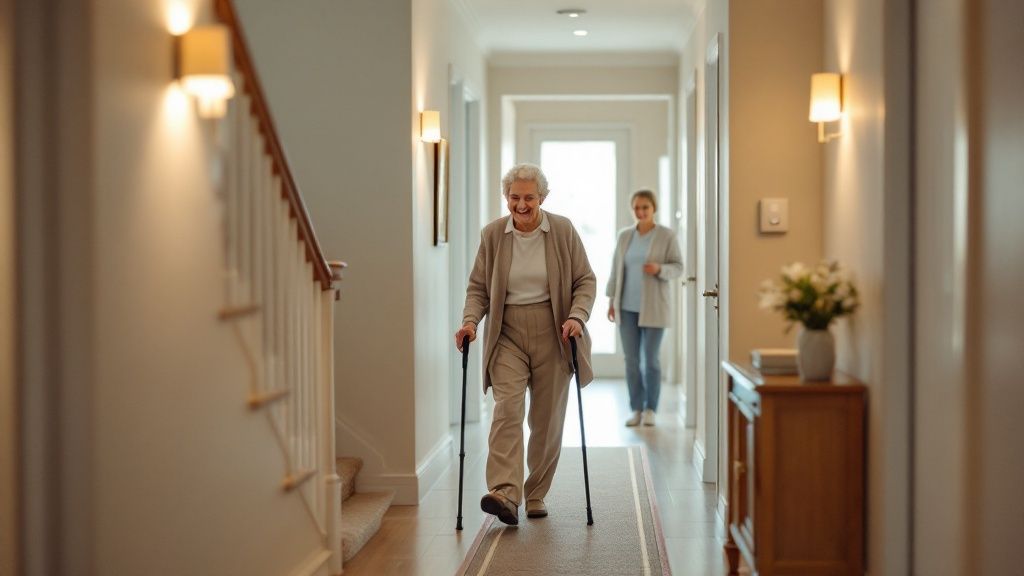
For families in Arlington, Vienna, and across Northern Virginia, ensuring a parent or loved one can live safely and independently at home is a top priority. As our loved ones age, the familiar comfort of their home can unexpectedly present new challenges. A simple staircase can become a major obstacle, and a dimly lit hallway can pose a serious fall risk. This is a concern we at Caring Senior Service of Arlington hear from families every day, and it's a problem that can lead to falls, hospital readmissions, and caregiver burnout if left unaddressed.
The good news is that with proactive steps, you can transform their home into a secure environment that supports their well-being and independence. This comprehensive home safety checklist for seniors is designed to empower you with the knowledge to identify and address potential hazards, room by room, in your Northern Virginia home.
We will explore seven critical areas of home safety, providing actionable solutions that go beyond generic advice. From fall prevention and medication management to kitchen safety and emergency preparedness, this guide will help ensure your loved one can continue to thrive in their Arlington, Fairfax, or Alexandria home with confidence and dignity. Our goal is to provide the clear, practical steps needed to create a true circle of safety, supported by our GreatCare™ method of Quality Caregivers, Customized Care Plans, and Active Involvement.
1. Fall Prevention Through Home Modifications
Falls are the leading cause of injury-related death among seniors in the United States, making proactive prevention the most critical component of any home safety checklist for seniors. Modifying the home environment addresses the root causes of many falls by removing hazards and adding support systems. This approach transforms a potentially dangerous living space into a secure haven, empowering seniors in communities like McLean and Falls Church to maintain their independence and confidence.
The process involves a systematic evaluation of the entire home, from entryways to bedrooms, to identify and mitigate risks. Simple changes like securing loose rugs or complex projects like installing a stairlift can dramatically reduce the likelihood of a life-altering fall.
The Impact of Strategic Modifications
The data on home modifications is compelling. Simple, targeted changes yield significant safety improvements, directly translating to fewer injuries and hospital visits. This infographic highlights the proven effectiveness of a few key interventions.
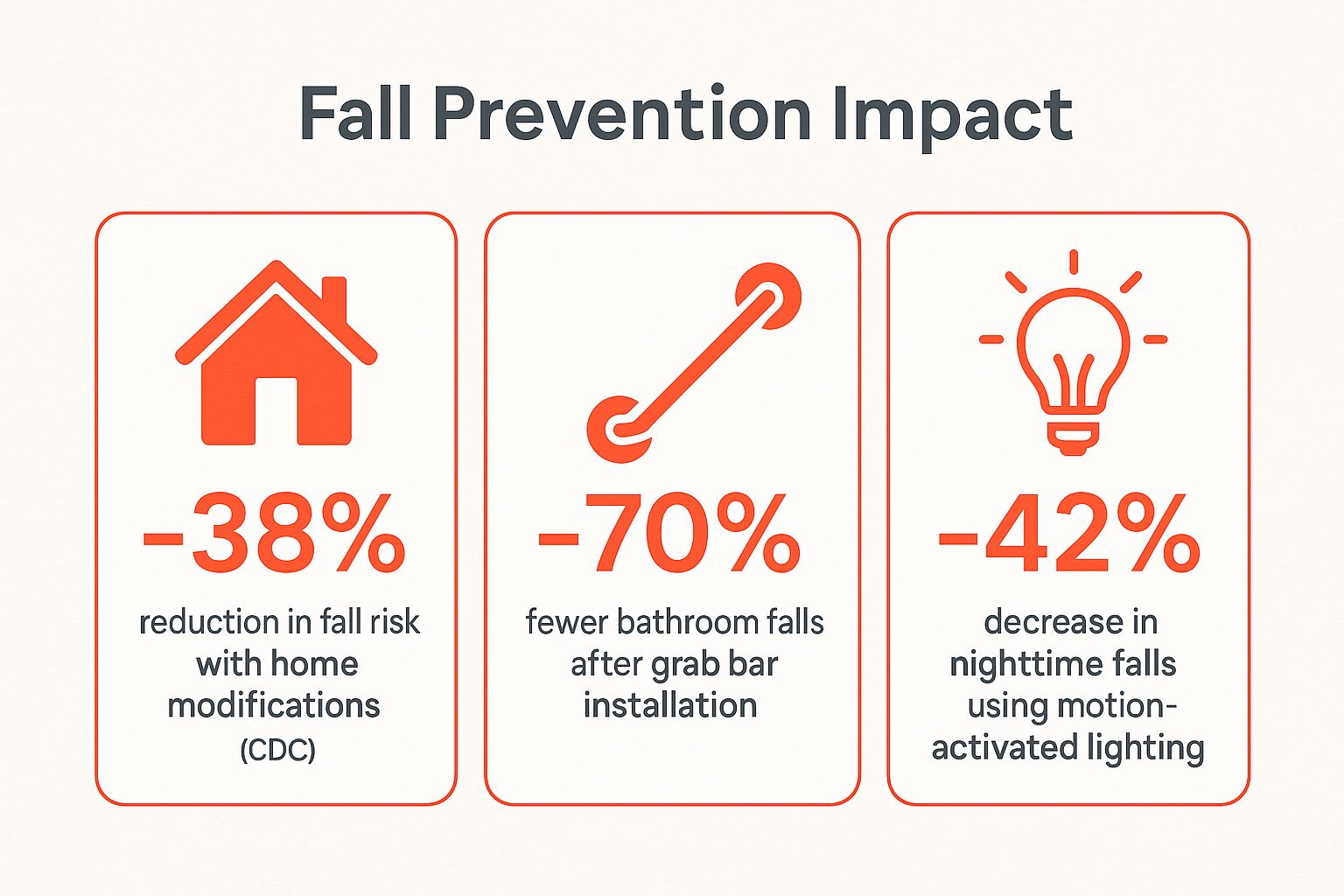
These statistics underscore a crucial point: small, affordable adjustments like installing grab bars or improving lighting can lead to major reductions in fall-related incidents.
Actionable Tips for Fall-Proofing Your Home
Implementing these changes can seem daunting, but starting with a clear plan makes it manageable. The CDC's STEADI initiative provides excellent resources for a comprehensive approach.
- Improve Lighting: Ensure every room, hallway, and staircase is brightly lit. Use 60-100 watt equivalent LED bulbs and place nightlights in hallways, bedrooms, and bathrooms for safe navigation after dark.
- Install Grab Bars: Place sturdy grab bars in critical areas such as inside and outside the shower, next to the toilet, and along long hallways. These provide essential stability during transfers and movement.
- Clear All Pathways: The most common tripping hazards are often the easiest to fix. Remove clutter, electrical cords, and small furniture from walkways. Secure all area rugs with double-sided tape or remove them entirely, especially those with curled edges.
- Make Stairs Safer: Ensure stairways have sturdy handrails on both sides. Apply non-slip treads or high-contrast tape to the edge of each step to improve visibility and traction.
For a deeper dive into practical home modifications, this video from AARP offers a helpful room-by-room guide.
2. Emergency Communication Systems and Medical Alert Devices
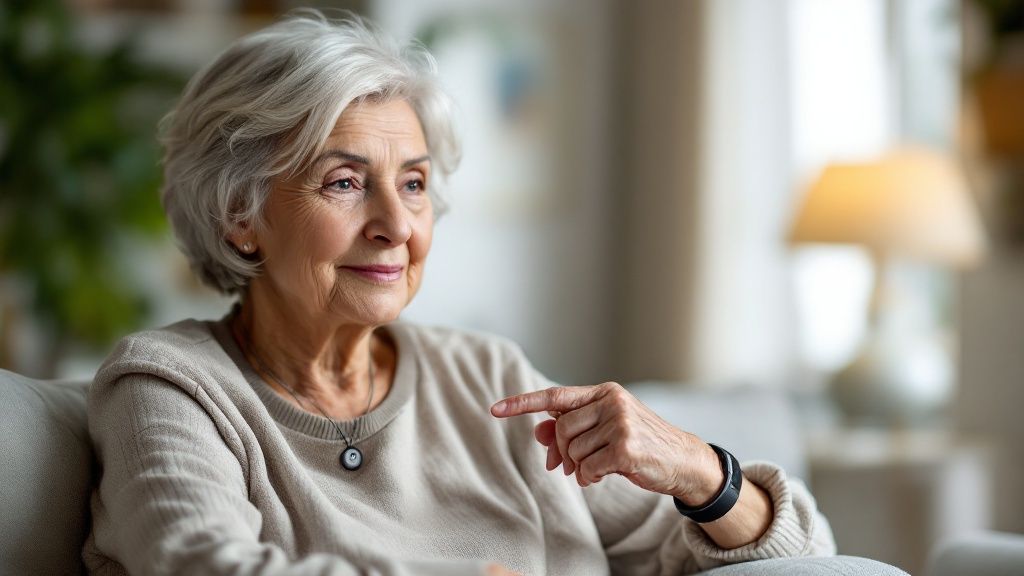
In a crisis, immediate communication is non-negotiable. Emergency communication systems, including medical alert devices, provide a vital lifeline for seniors, especially those living alone in Arlington or Annandale. These systems allow for an instant connection to emergency services or family members with the simple push of a button, ensuring help is dispatched quickly during a fall, medical event, or any urgent situation. This technology offers peace of mind for both seniors and their families, knowing that a direct link to assistance is always within reach.
Modern systems range from in-home base units to mobile GPS-enabled devices that work anywhere. They bridge the gap between an emergency occurring and help arriving, a critical time window where every second counts.
The Impact of Instant Alert Systems
The effectiveness of these devices in real-world emergencies is well-documented. For instance, Medical Guardian reported a 98.9% successful emergency response rate in 2023, while the famous Life Alert systems have assisted over 6 million seniors since 1987. These statistics highlight the reliability and life-saving potential of having a monitored alert system as part of a comprehensive home safety checklist for seniors. They empower individuals to live independently with a reliable safety net in place.
Actionable Tips for Choosing and Using a Device
Selecting and maintaining the right system is crucial for its effectiveness. A thoughtful approach ensures the device is ready when needed most.
- Prioritize Waterproof Devices: Since many falls occur in the bathroom, choose a waterproof pendant or wristband that can be worn safely in the shower or bath.
- Test the System Regularly: Perform a test call at least once a month to confirm the device is functioning correctly and the monitoring center responds promptly. This ensures the system is reliable in an actual emergency.
- Keep Contacts Updated: Regularly review and update the list of emergency contacts, including family, friends, and doctors, with the monitoring service.
- Consider Automatic Fall Detection: For seniors at a high risk of falling, select a device with automatic fall detection. This feature can call for help even if the senior is unable to press the button.
- Ensure Proper Placement: Place the system’s base unit in a central location, away from loud appliances like televisions or microwaves that could cause signal interference.
Integrating these devices is a key component of modern home care. Learn more about the role of home care technology in enhancing senior safety and well-being.
3. Medication Management and Safety Systems
For seniors managing multiple prescriptions, proper medication adherence is as crucial to safety as preventing falls. Medication errors, such as taking the wrong dose or missing one entirely, can lead to serious health complications, hospitalizations, and even death. Implementing organized systems and tools ensures seniors take the correct medications at the right times, preventing dangerous drug interactions and promoting better health outcomes.
This approach moves beyond a simple pillbox to a comprehensive strategy involving technology, professional oversight, and clear organization. By creating a structured routine, seniors and their families can reduce the cognitive load of complex medication schedules, minimizing the risk of errors and providing invaluable peace of mind.
The Impact of Strategic Medication Management
The data on structured medication systems reveals their life-saving potential. Organized management directly reduces adverse drug events and improves treatment efficacy. Programs and technologies designed to simplify this process have a proven track record of success.
- Kaiser Permanente's medication review program reduced adverse drug events by 30% through pharmacist consultations.
- Hero Health's smart dispenser prevented over 10,000 medication errors in its first year by automating dispensing and tracking.
- CVS pharmacies reported a 40% reduction in medication errors with the introduction of their automated packaging system, which sorts pills by dose.
These statistics confirm that a systematic approach is a vital component of any home safety checklist for seniors, transforming a potentially hazardous daily task into a safe and manageable routine.
Actionable Tips for Safe Medication Handling
Creating a reliable system is straightforward with the right tools and habits. The goal is to make the process as simple and error-proof as possible.
- Use Smart Organizers: Invest in a pill organizer with clear, large-print labels for each day and time. Automated dispensers can also provide audible alerts and dispense the correct pills on schedule.
- Keep an Updated Master List: Maintain a single, comprehensive list of all medications, including prescriptions, over-the-counter drugs, and supplements. Note the dosage, frequency, prescribing doctor, and purpose for each. Keep a copy in your wallet and on the refrigerator.
- Schedule Annual Medication Reviews: Sit down with a pharmacist or primary care physician at least once a year to review the entire medication list. This helps identify potential interactions, eliminate unnecessary prescriptions, and confirm proper dosages.
- Leverage Technology and Services: Set multiple daily reminders on a smartphone, smart watch, or digital clock. For added support, professional services can provide daily prompts and ensure adherence. Our caregivers can provide crucial medication reminders as part of a customized care plan, ensuring your loved one stays on track.
4. Home Security Enhancement and Scam Prevention
Ensuring a senior's home is secure goes beyond physical safety modifications; it extends to protecting them from external threats like burglaries, home invasions, and pervasive scams. A comprehensive home safety checklist for seniors must address both the physical security of the property and the digital and personal security of its resident. This dual approach helps safeguard seniors' assets, personal information, and peace of mind, allowing them to feel truly secure in their own homes.
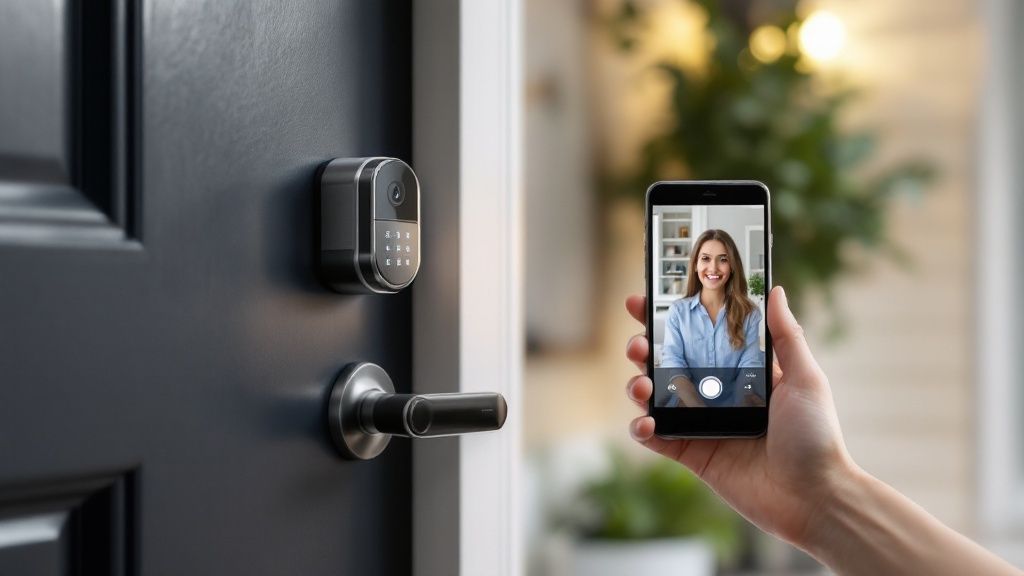
Modern technology and basic vigilance can create a powerful shield against these dangers. Upgrading locks, installing a video doorbell, and learning to recognize common fraud schemes are all crucial steps in building a multi-layered defense.
The Impact of Modern Security and Awareness
The data confirms that proactive security measures significantly deter criminals and fraudsters. For instance, AARP's fraud prevention education has been shown to reduce senior scam losses by 25% in communities that participate. Similarly, products like Ring video doorbells have played a role in solving over 100,000 crimes, demonstrating the power of visible security technology.
These statistics highlight that a combination of robust physical security and ongoing education is the most effective strategy. It empowers seniors to prevent incidents before they happen and provides tools to respond effectively if they do.
Actionable Tips for Security and Scam Prevention
Implementing a security strategy can feel overwhelming, but it can be broken down into simple, manageable actions. Resources from organizations like the AARP Fraud Watch Network offer excellent guidance.
- Secure All Entry Points: Ensure all exterior doors have high-quality deadbolt locks and keep them locked, even when home during the day. Install peepholes or a video doorbell system to safely screen visitors without opening the door.
- Practice Phone and Digital Safety: Never give out personal or financial information like Social Security or bank account numbers over the phone to unsolicited callers. Use automatic call-blocking services to reduce robocalls and hang up on high-pressure sales pitches.
- Verify 'Emergency' Requests: Be wary of urgent calls or messages claiming a grandchild is in trouble and needs money. Always verify the story independently by calling the family member directly using a known phone number.
- Maintain Your Property: A well-maintained home with trimmed shrubs and good exterior lighting suggests someone is actively present and deters potential burglars. Using motion-activated lights can be particularly effective.
5. Kitchen Safety and Fire Prevention
The kitchen is often called the heart of the home, but for seniors, it can also be the most hazardous room. The combination of heat, sharp objects, and potential for spills makes it a high-risk area for burns, cuts, and fires. Implementing specialized kitchen safety measures is a crucial part of any home safety checklist for seniors, allowing for continued independence in cooking and meal preparation while significantly reducing danger.
A proactive approach to kitchen safety involves addressing potential hazards before they cause an incident. This includes modifying cooking habits, using safer appliances, and ensuring emergency equipment is accessible and functional. Small, consistent changes can prevent devastating accidents and create a more secure environment for daily living.
The Impact of Strategic Modifications
Data from safety organizations highlights the effectiveness of targeted kitchen interventions. For instance, CookStop devices have been credited with preventing over 1,000 stove fires in UK senior housing, while studies on induction cooktops show they can reduce burn injuries by up to 43% in assisted living facilities. These statistics confirm that modern technology and simple precautions are powerful tools in preventing common kitchen accidents.
Smart home devices also play a significant role. Smart smoke detectors that send alerts to family members' cell phones have been shown to reduce fire damage by 58% in senior communities, offering an extra layer of protection and faster response times.
Actionable Tips for a Safer Kitchen
Creating a safer kitchen is achievable through a series of practical, easy-to-implement steps. The National Fire Protection Association provides excellent guidelines for reducing fire risk at home.
- Install Automatic Shut-Off Devices: Use an automatic stove shut-off timer or device that turns off the stove if it's left unattended for a programmed period. This is one of the most effective ways to prevent cooking fires.
- Keep Fire Extinguishers Accessible: Place a small, easy-to-use fire extinguisher in the kitchen but away from the immediate cooking area. Ensure the senior knows how to operate it. Check the pressure gauge regularly.
- Improve Food Prep Safety: Use cutting boards that contrast with the color of the food being prepared (e.g., a white board for dark vegetables) to improve visibility and reduce the risk of cuts. Ensure knives are kept sharp, as dull knives require more force and are more likely to slip.
- Practice Safe Cooking Habits: Always turn pot and pan handles inward toward the back of the stove to prevent them from being knocked over. Never leave cooking unattended, and avoid wearing loose-fitting clothing with long sleeves that could catch fire.
- Maintain Smoke and Gas Detectors: Test smoke and carbon monoxide detectors monthly and replace the batteries at least twice a year. Consider upgrading to smart detectors for enhanced protection.
For seniors in Springfield or Great Falls who find meal preparation challenging, professional assistance can be a safe and effective solution. Learn more about how in-home meal preparation services can enhance kitchen safety on caringseniorservice.com.
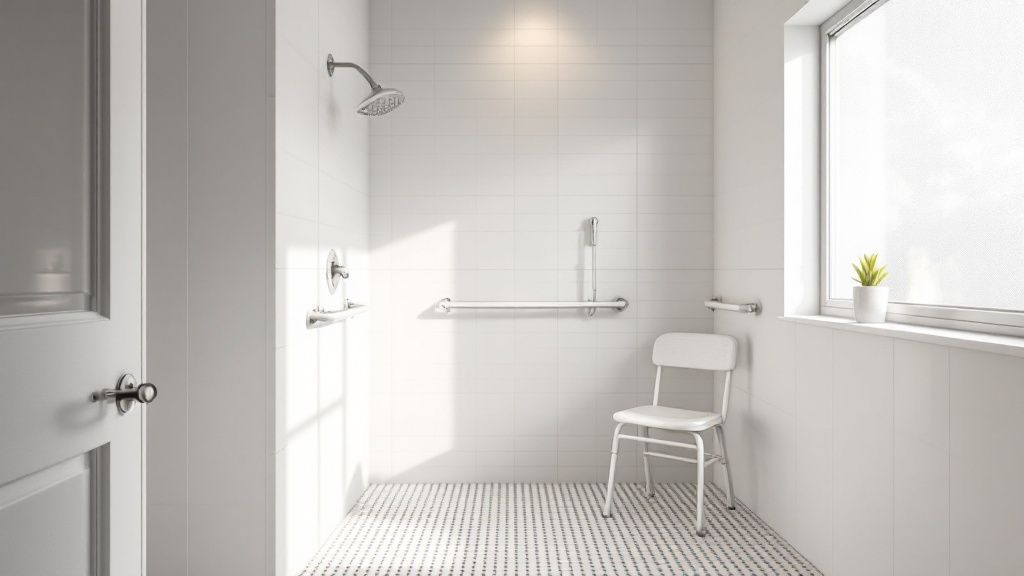
6. Bathroom Safety and Accessibility Improvements
The bathroom is consistently one of the most hazardous areas in a home for seniors. A combination of wet surfaces, hard fixtures, and the physical exertion required for bathing and toileting creates a high-risk environment. Prioritizing bathroom safety and accessibility is a non-negotiable part of any comprehensive home safety checklist for seniors, directly addressing a primary source of falls and serious injuries.
These critical modifications focus on enhancing stability, reducing physical strain, and improving navigation in a compact space. By retrofitting the bathroom with supportive equipment and thoughtful design changes, families can transform this danger zone into a secure, functional space that promotes independence and confidence for their aging loved ones.
The Impact of Strategic Modifications
The data supporting bathroom modifications is definitive. Simple installations yield dramatic safety improvements, preventing devastating injuries and helping seniors maintain their dignity. Studies from organizations like the CDC and Veterans Affairs show that these changes are highly effective.
For instance, the installation of grab bars near toilets has been shown to prevent a significant percentage of falls during transfers. Likewise, walk-in tubs or roll-in showers not only reduce bathing injuries but also vastly increase a senior's ability to bathe independently and safely. These statistics confirm that investing in bathroom accessibility is one of the most impactful safety measures a family can take.
Actionable Tips for a Safer Bathroom
Implementing these changes can be done incrementally or as part of a larger remodel. The goal is to create layers of safety that address the specific needs of the senior.
- Install Grab Bars: This is the most crucial step. Securely mount grab bars vertically or horizontally inside and outside the shower or tub, and next to the toilet. These provide essential support for sitting, standing, and transitioning.
- Improve Slip Resistance: Place non-slip mats or apply adhesive treads inside the tub and on the shower floor. Use a non-slip bath mat with a rubber backing outside the tub to absorb water and provide secure footing.
- Enhance Seating and Accessibility: Use a sturdy shower chair or bench to reduce fatigue and the risk of slipping while bathing. Consider installing a comfort-height toilet, which is several inches taller and makes sitting down and standing up much easier.
- Optimize Lighting and Temperature: Install bright, non-glare lighting to ensure clear visibility. Place a nightlight in the bathroom for safe navigation during the night. Keeping the room comfortably warm can also help prevent muscle stiffness.
7. Lighting and Visibility Enhancement Throughout the Home
Age-related vision changes, such as cataracts and macular degeneration, mean that seniors often require two to three times more light than younger adults to see clearly. Inadequate lighting is a primary contributor to trips, falls, and household accidents, making strategic illumination a non-negotiable part of any home safety checklist for seniors. Enhancing visibility throughout the home addresses these challenges directly by eliminating shadows, improving depth perception, and ensuring key areas are always well-lit.
This process involves more than simply changing a lightbulb; it's about creating layers of ambient, task, and accent lighting that work together. From hallways navigated at night to kitchens where sharp utensils are used, proper lighting provides the clarity needed for safe and confident movement. This focus transforms a home from a space with hidden risks into a bright, secure environment.
The Impact of Strategic Modifications
Data from housing studies and senior living communities confirms the powerful effect of improved lighting. Simple, targeted upgrades directly reduce accident rates and enhance a senior's ability to perform daily tasks safely. The National Institute on Aging consistently highlights enhanced lighting as a foundational element of fall prevention.
Consider the evidence: a study found that motion-activated pathway lighting reduced nighttime falls in retirement communities by 47%. Similarly, another analysis showed that adding under-cabinet lighting in kitchens decreased cutting and burn accidents by 35% among senior households. These statistics demonstrate that well-planned illumination is a high-impact, proactive safety measure.
Actionable Tips for Improving Home Lighting
Implementing a comprehensive lighting plan is one of the most effective safety upgrades you can make. The Illuminating Engineering Society provides detailed recommendations for senior-friendly lighting design.
- Brighten Stairs and Hallways: Install bright lights at both the top and bottom of all staircases. Use motion-activated nightlights along hallways, in bedrooms, and in bathrooms to create a safe, illuminated path for nighttime navigation.
- Choose the Right Bulbs: Opt for warm white LED bulbs (2700K-3000K range) to provide bright, comfortable light without harsh glare. Ensure bulbs are at least a 60-watt equivalent, or higher in task-heavy areas like kitchens and bathrooms.
- Make Switches Accessible: Light switches should be easy to find and use. Consider installing rocker-style switches, which are easier for arthritic hands to operate, or smart switches that can be controlled by voice or a remote.
- Layer Kitchen and Bathroom Lighting: Install bright, focused under-cabinet lighting in the kitchen to eliminate shadows on countertops where food preparation occurs. In bathrooms, place lights on either side of the mirror to illuminate the face clearly for grooming and medication management.
Home Safety Checklist for Seniors: 7-Point Comparison Guide
| Item | Implementation Complexity | Resource Requirements | Expected Outcomes | Ideal Use Cases | Key Advantages |
|---|---|---|---|---|---|
| Fall Prevention Through Home Modifications | Moderate to high (some pro help) | $200-$3,000, materials & installation | Up to 38% fall risk reduction, increased independence | Seniors at risk of falls, home safety upgrades | High impact, low-cost changes, improves accessibility |
| Emergency Communication Systems and Medical Alert Devices | Low to moderate (device setup) | Devices $50-$500, plus $30-$70/month monitoring fees | Faster emergency response (2-5 min), peace of mind | Seniors living alone or with health risks | 24/7 monitoring, fall detection, GPS tracking |
| Medication Management and Safety Systems | Low to moderate (training needed) | $100-$500 (smart dispensers), apps, devices | Up to 85% reduction in med errors, fewer hospitalizations | Seniors with complex medication regimens | Prevents drug errors, reminders, alerts family |
| Home Security Enhancement and Scam Prevention | Moderate to high (tech installation) | $500-$2,000 plus possible monitoring fees | 67% deterrence of burglars, 60% scam loss reduction | Seniors concerned about home security & fraud | Remote monitoring, crime deterrence, insurance benefits |
| Kitchen Safety and Fire Prevention | Moderate (device installation) | Varies, can be costly (retrofit needed) | 65% reduction in burn injuries, prevents fires | Kitchens used frequently by seniors | Prevents fires & injuries, maintains independence |
| Bathroom Safety and Accessibility Improvements | High (major renovations) | $3,000-$15,000, professional install | 80% reduction in bathing injuries, 67% increased independence | Seniors with mobility issues or fall risk | Increases safety and dignity, adds home value |
| Lighting and Visibility Enhancement Throughout the Home | Low to moderate (electrical work) | Cost varies, LED upgrades and sensors | 39% reduction in home accidents, improved visibility | Age-related vision decline, general home safety | Energy-efficient, reduces falls, hands-free operation |
Partnering for Peace of Mind with Caring Senior Service of Arlington
Navigating the complexities of creating a truly safe home environment for a senior loved one is a profound act of care, but it can often feel like a monumental task. This comprehensive home safety checklist for seniors has provided a detailed roadmap for families in Northern Virginia, breaking down critical areas from fall prevention and emergency preparedness to medication management and fire safety. We've explored the importance of simple yet impactful changes like securing rugs, improving lighting, and installing grab bars, as well as integrating modern solutions like medical alert systems and smart home devices.
The ultimate goal is not just to prevent accidents but to foster an environment where seniors can live with dignity, independence, and confidence. Each item on this checklist contributes to this larger objective. Mastering these concepts means transforming a house into a secure haven, reducing the risk of falls, medical errors, and other preventable emergencies that too often disrupt lives. It's about empowering seniors to thrive in the familiar comfort of their own homes for as long as possible.
Taking Proactive Steps for a Safer Future
While this checklist is an invaluable tool, implementing it can be overwhelming for busy families in Arlington, Fairfax, and Alexandria. The real challenge often lies in the consistent, day-to-day oversight required to maintain these safety standards. This is where professional support becomes not a luxury, but a vital component of a holistic care plan.
Implementing this checklist is a significant step, but you don't have to do it alone. For many families in Arlington, Vienna, and McLean, balancing these tasks with daily life can be overwhelming. This is where Caring Senior Service provides essential support. Our GreatCare™ method begins with a comprehensive in-home safety assessment, where we apply our expertise to identify specific risks and recommend personalized solutions. Our quality caregivers are not just companions; they are trained to maintain a safe environment, from ensuring pathways are clear to providing medication reminders and preparing nutritious meals. Through active involvement and our Family Portal, we keep you connected and informed, providing the peace of mind that comes from knowing your loved one is safe and well-cared for. Let us be your partner in ensuring your family member can continue to live a safe, healthy, and happy life at home.
Don't wait for an accident to happen. Partner with Caring Senior Service to conduct a professional in-home safety assessment and create a customized care plan that addresses every point on this checklist and more. At Caring Senior Service of Arlington, we help seniors across Northern Virginia remain safe, healthy, and happy at home. Call us at (571) 202-6522 to schedule a free consultation today.