
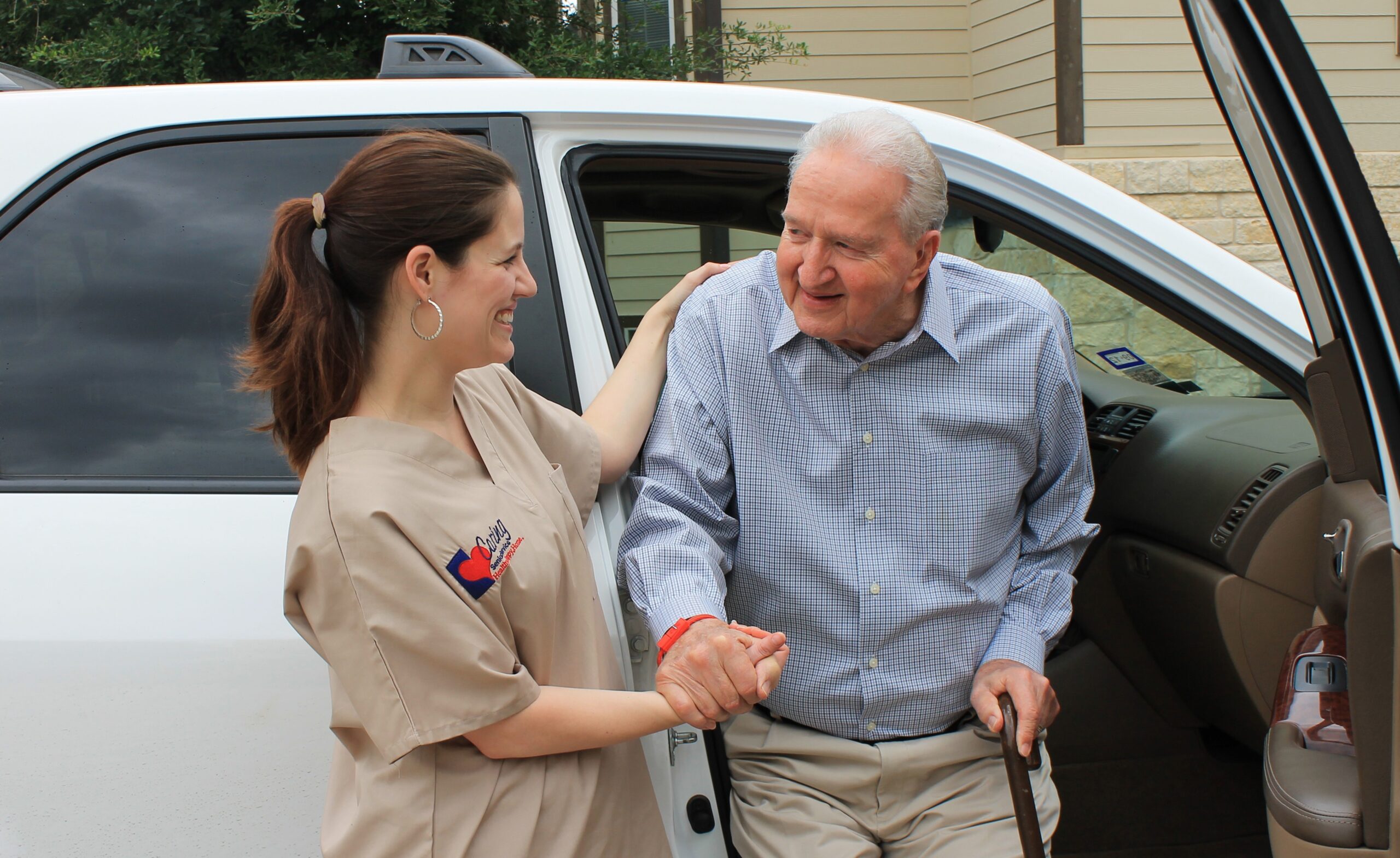
Understanding Fall Risks in Older Adults
Falls are a significant concern for the elderly, posing serious risks to their health and well-being. As we age, the risk of falling increases, predominantly due to a combination of physical, sensory, and cognitive changes that come with aging. Understanding these risks is essential for implementing effective fall prevention strategies that safeguard the elderly in Lincoln.
One of the primary contributors to fall risks in older adults is the natural decline in physical strength and balance. As muscle mass decreases, so does the ability to maintain stability, making even a short trip or stumble perilous. For many seniors, this is compounded by chronic health conditions such as arthritis, which can limit mobility, and osteoporosis, which increases susceptibility to fractures.
Furthermore, sensory impairments such as diminished vision and hearing can exacerbate the likelihood of falls. Reduced vision can lead to misjudgment of distances and obstacles, while impaired hearing can affect balance and spatial awareness. Cognitive changes, including memory loss and slowed reflexes, also hinder an elderly person’s ability to react quickly to avoid a fall.
Environmental factors also play a significant role. Hazards within the home, such as loose rugs, poor lighting, and clutter, can create dangerous situations that increase fall risks. Outdoor conditions, like slippery sidewalks, can be equally hazardous.
Understanding these risks allows caregivers and families to tailor their prevention efforts effectively, ensuring that seniors remain safe and independent. By recognizing and mitigating these potential fall risks, the elderly population in Lincoln can enjoy a higher quality of life with reduced fear of falls.
Creating a Safe Home Environment for Seniors
As our loved ones age, ensuring their home environment is safe becomes paramount to their well-being. For seniors in Lincoln, crafting a home that minimizes fall risks is a meticulous process, yet it is essential to preserving their independence and dignity. The first step in this endeavor involves a comprehensive assessment of the living space. Identifying potential hazards such as loose rugs, cluttered pathways, or inadequate lighting can significantly reduce the chances of falls. Installing grab bars in the bathroom and ensuring non-slip mats are placed in showers and tubs provide added safety in areas prone to moisture.
Equally important is the arrangement of furniture to allow for easy navigation, especially for those using mobility aids. Sharp corners on furniture should be cushioned, and all wires or cords should be tucked away to prevent tripping. Additionally, ensuring that frequently used items are within easy reach can eliminate the need for climbing or stretching, which often leads to accidents.
Another critical component is lighting. Adequate lighting throughout the home, particularly in staircases and hallways, helps seniors avoid potential obstacles. Consider motion-sensor lights, which not only economize on energy but also ensure illumination is available as needed.
Finally, regular check-ins by family members or professional caregivers, such as those from Caring Senior Service, can provide additional assurance. These caregivers can offer personalized recommendations based on the specific needs of the senior, ensuring the home remains a safe haven. By prioritizing these preventive measures, families can foster a secure environment that supports the health and independence of their elderly loved ones.
Zero-Cost Home Modifications to Reduce Falls
Falls among the elderly are a significant concern, particularly in Lincoln, where seniors wish to maintain their independence while aging in place. Fortunately, there are several zero-cost home modifications that can contribute to reducing the risk of falls, ensuring safety and peace of mind for both seniors and their families.
Firstly, one of the most effective measures is decluttering. Ensuring that pathways are clear of obstacles like loose rugs, electrical cords, and unnecessary furniture can significantly reduce tripping hazards. A tidy environment not only minimizes fall risks but also creates a more comforting atmosphere for seniors.
Another simple yet impactful modification involves enhancing lighting. By maximizing natural light during the day and ensuring adequate artificial lighting in the evening, seniors can navigate their homes with greater confidence. This involves opening curtains or blinds and replacing dim bulbs with brighter alternatives where necessary.
Moreover, rearranging frequently used items to be within easy reach can prevent unnecessary stretching or straining. This means placing kitchen utensils, clothing, and bathroom essentials at waist level to eliminate the need for step stools or bending over.
Additionally, using furniture for support can offer stability during movement. For instance, placing chairs near high-use areas like the kitchen or bathroom provides something to hold onto if balance becomes an issue.
These zero-cost strategies not only help in reducing fall risks but also empower seniors to live independently and safely. By implementing these modifications, families in Lincoln can ensure their elderly loved ones remain secure without the need for expensive home alterations.
Enhancing Washroom Safety for Elderly Residents
Washroom safety is a critical aspect of fall prevention for elderly residents, especially in home settings in Lincoln. Slippery surfaces, confined spaces, and the need for complex movements can make the washroom a hazardous area for seniors. Implementing strategic modifications and adopting best practices can significantly mitigate these risks, ensuring that the washroom remains a safe and accessible space.
Install Grab Bars
One of the most effective ways to enhance washroom safety is by installing grab bars. These assistive devices provide stability and support, especially when transitioning from a seated position or moving around the washroom. They should be strategically placed near the toilet and in the shower or bathtub area, where support is most needed.
Non-Slip Flooring
Replacing or treating existing flooring with non-slip materials can drastically reduce the risk of falls. Non-slip mats and adhesive strips are simple yet effective solutions that provide traction and prevent slipping, particularly when the floor is wet.
Proper Lighting
Adequate lighting is essential in preventing falls in the washroom. Ensuring that the area is well-lit can help seniors navigate the space more safely, reducing the chances of tripping or misstepping. Motion-sensor lights can be an excellent addition, providing immediate illumination without the need for switches.
Accessible Fixtures
Installing accessible fixtures, such as raised toilet seats and handheld showerheads, can make washroom use more comfortable and secure for elderly individuals. These modifications cater to the mobility needs of seniors, allowing them to maintain their independence while ensuring safety.
By implementing these enhancements, caregivers and family members can create a safer washroom environment for elderly residents, reducing the risk of falls and promoting a sense of security and independence.
Improving Stair Safety for Seniors
The importance of stair safety for seniors cannot be overstated. Stairs present a significant risk for falls, which can lead to severe injuries, especially in older adults. For residents in Lincoln, ensuring stair safety is a crucial step in promoting a secure living environment for seniors.
Enhancing Stair Visibility
One of the primary ways to improve stair safety is by enhancing visibility. This can be achieved by installing bright, energy-efficient lighting at both the top and bottom of the staircase. Additionally, applying contrasting color strips to the edges of each step can significantly aid seniors in distinguishing individual steps, reducing the risk of missteps.
Installing Handrails
Installing sturdy handrails on both sides of the staircase provides seniors with the necessary support while navigating stairs. Handrails should be at a comfortable height and extend beyond the top and bottom steps to offer additional stability. Ensure that the handrails are securely fastened and maintained regularly to prevent any loosening or damage.
Non-Slip Solutions
Slippery steps are a common hazard in homes. To combat this, consider using non-slip adhesive strips or installing non-skid stair treads. These solutions provide added traction, helping prevent slips and falls. Regularly check these materials for wear and tear, replacing them as needed to maintain their effectiveness.
Keeping Stairs Clutter-Free
A clutter-free staircase is essential in preventing accidents. Encourage seniors to keep the stairs clear of any objects, such as shoes or decorative items, which can pose tripping hazards. Regular inspections of the stairway to ensure it remains unobstructed are beneficial.
By implementing these stair safety measures, seniors in Lincoln can enjoy greater independence and peace of mind, knowing their home environment supports their well-being.