
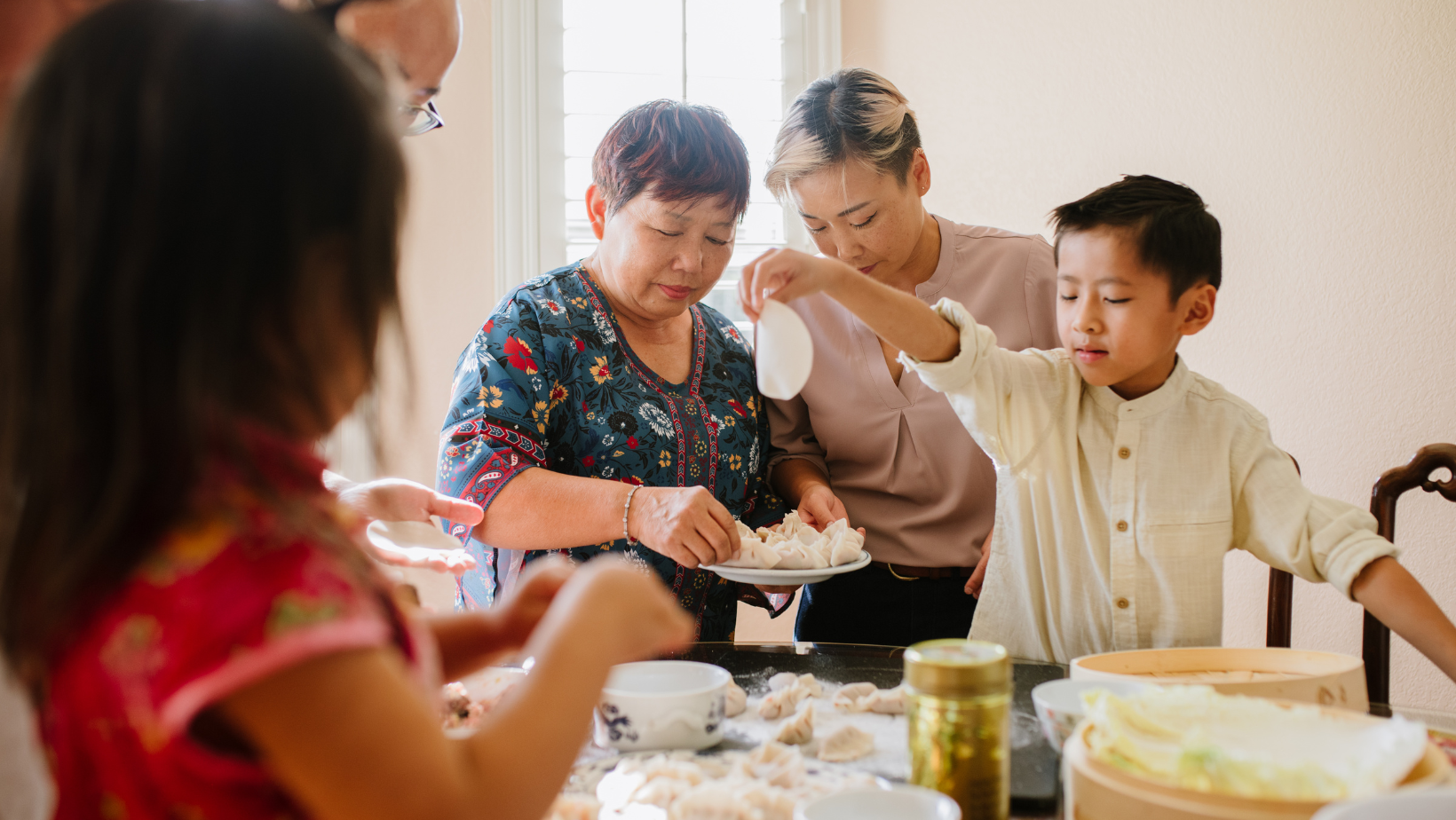
As families face higher housing costs, longer life spans, and more caregiving needs, living in a multigenerational household is becoming more popular. For many families, sharing a home helps older adults get support while staying independent and close to loved ones.
Research from the Federal Reserve Bank of Boston shows multigenerational family living is rising in the US due to economic pressures, caregiving needs, and changing family dynamics. As more families look for ways to support aging parents at home, more generations are living together.
These multi-generational households are becoming an important part of long-term care plans. Living together can offer more than financial savings. For many seniors, it provides companionship, peace of mind, and daily support that can improve overall quality of life. At the same time, family members often benefit from stronger relationships, shared caregiving responsibilities, and more meaningful time together.
Before you decide if a multi-generational home is right, it helps to know the types of arrangements.
What Is Multigenerational Living?
A multigenerational household is a home where two or more adult generations live together. These households often include grandparents, parents, adult children, and grandchildren living under one roof or on the same property.
Every family is different, and multi-generational living can take several forms:
- Three-Generation:The most common arrangement includes grandparents, parents, and grandchildren sharing a home. People often call adults who care for both children and aging parents the “sandwich generation.”
- Two-Adult Generations: Some households include aging parents who live with their adult children. Other households include adult children who still live with their parents.
- Grandfamilies: In some families, grandparents become the primary caregivers for their grandchildren, creating another type of multi-generational household.
- Separate Living Spaces: Many families build or update separate living spaces, like an in-law suite or guest house. These spaces give seniors more privacy while staying close to family.
No matter the living arrangement, successful multi-generational living depends on communication, planning, and understanding everyone’s needs.
Benefits of Multigenerational Homes
1. Lower Household Expenses
Sharing a home allows families to divide the costs of housing, utilities, groceries, and other household expenses. For seniors on a fixed income, this arrangement can make daily life more affordable. It can also reduce the financial burden for everyone.
Before moving in together, families should openly discuss finances and establish clear expectations about shared expenses.
2. Shared Caregiving Responsibilities
Caring for an aging loved one is often easier when responsibilities are shared among multiple family members.
One person may drive you to doctor’s appointments. Another person may cook meals. Others may help with chores. They may remind you to take your medicine. They may also run errands for you.
Sharing these responsibilities can reduce caregiver stress and help prevent burnout.
3. Less Loneliness & More Companionship
Many older adults experience loneliness and social isolation, especially after retirement or the loss of a spouse.
Living with family creates opportunities for daily conversations, shared meals, celebrations, and meaningful interactions that help seniors stay socially connected. Grandchildren also benefit from spending more time with grandparents and learning from their experiences.
RELATED CONTENT: Unexpected Causes of Senior Isolation
4. Faster Help During Emergencies
Having family nearby provides added peace of mind.
Whether a senior falls, becomes ill, or needs help around the house, someone is available to respond quickly. Family members are more likely to notice changes in mobility, memory, or overall health. These changes may require medical attention.
5. Stronger Family Relationships
Living together creates opportunities to strengthen family bonds.
Grandparents can share stories, traditions, recipes, and life lessons while remaining actively involved in family life. These daily interactions often give seniors a greater sense of purpose while creating lasting memories for younger generations.
RELATED CONTENT: 21 Activities for Seniors and Their Grandkids
6. Better Support for Managing Health
Many older adults manage one or more chronic health conditions that require ongoing attention. Living with family can make it easier to:
- Remember medications
- Attend doctor’s appointments
- Prepare healthy meals
- Coordinate medical care
- Monitor changes in health
Having additional support often helps seniors remain healthier and independent for longer.
7. Help Navigating Technology
Technology plays an increasingly important role in healthcare and everyday life.
Family members can help seniors learn to use smartphones, tablets, and video calls. They can also teach patient portals, telehealth services, and smart home technology. These skills help older adults stay connected with loved ones. They also make it easier to manage appointments, prescriptions, and daily tasks.
If Multigenerational Living Isn’t Possible
It may not always be possible for an aging senior to move in with their family members. In these cases, know that help is still available. Caring Senior Service provides in-home care to seniors who need assistance — no matter when and where they need care.
And our professional caregivers can keep loved ones informed and involved in care even if they can’t be nearby. Reach out to your local Caring team to learn more.