
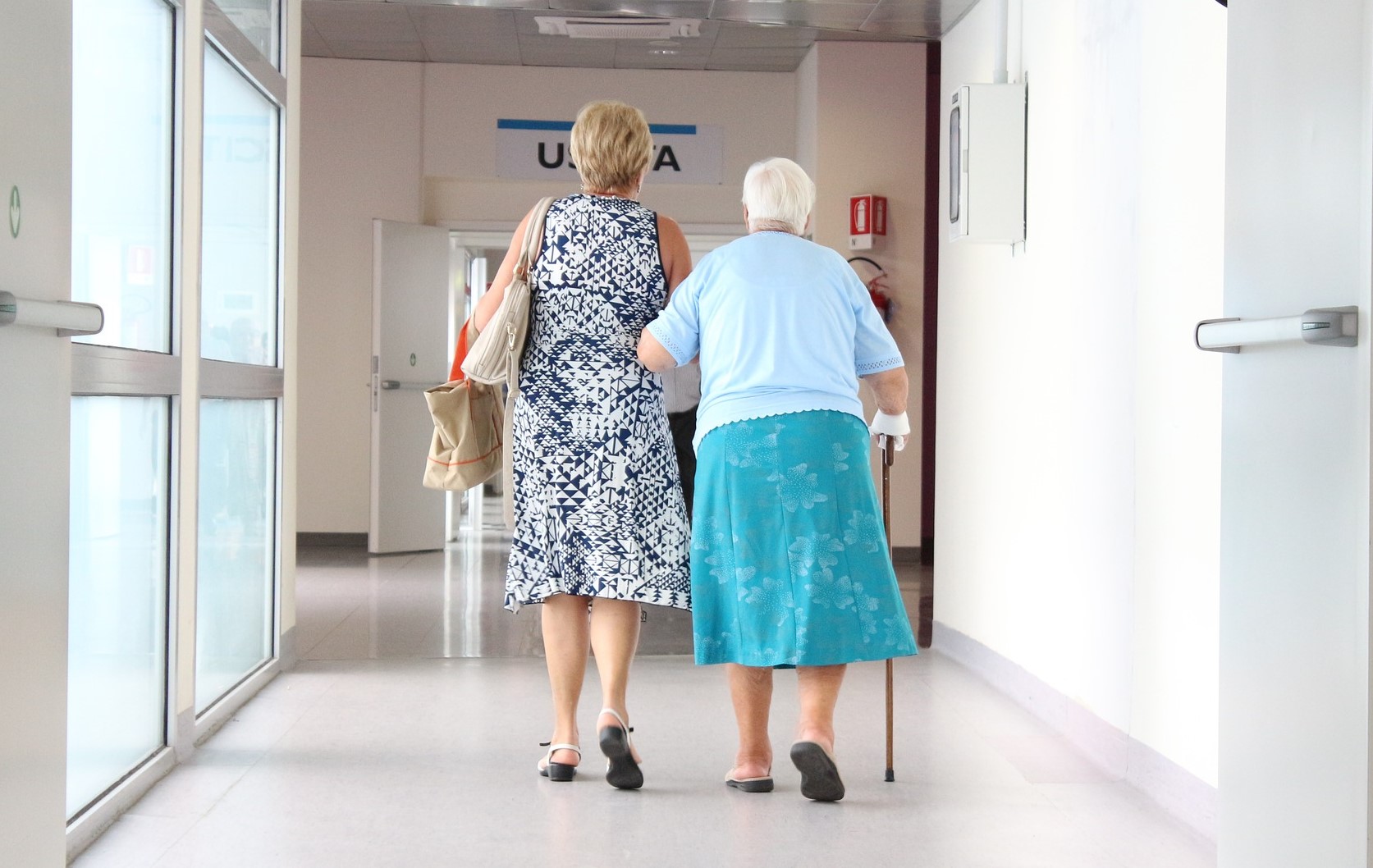
Recovery time for seniors after an injury varies based on the type of injury, overall health, and access to rehabilitation. Minor injuries like sprains or bruises may heal in a few weeks, while fractures or surgical procedures can take several months. Because aging naturally slows the body’s healing process, seniors often need additional time and support to fully regain strength and mobility.
Understanding why older adults heal more slowly — and what can help speed recovery — can make the process less overwhelming for families and caregivers.
Why Do Seniors Heal Slower After an Injury?
It’s common for families to wonder why senior injury recovery time seems longer than expected. The answer lies in normal age-related changes within the body.
- Slower Cell Regeneration: As we age, the body’s ability to produce new cells and repair damaged tissues slows down. This can delay the process of healing and lead to longer recovery times for fractures, sprains, and other injuries.
- Chronic Health Conditions: Many seniors live with chronic conditions like diabetes, arthritis, and cardiovascular disease. These conditions can interfere with circulation and immune response. For example, diabetes can impair blood flow to injuries, slowing healing and increasing the risk of infections.
- Reduced Muscle Mass & Bone Density: Aging leads to muscle loss (sarcopenia) and lower bone density (osteoporosis), which increases the risk of fractures and makes healing more difficult. Weakened bones and muscles require extra time to rebuild strength after an injury.
- Delayed Inflammatory Response: Inflammation is a natural part of the healing process. It helps the body fight infections and repair tissues. However, in seniors, this response is slower, which can delay healing.
- Decreased Skin Elasticity & Circulation: The skin becomes thinner and less elastic with age, making it more prone to bruising, tearing, and slow wound healing. Additionally, reduced blood circulation means fewer nutrients reach injured areas, further delaying recovery.
Estimated Recovery Time for Common Injuries in Seniors
While every individual heals differently, here are general estimates for how long it may take seniors to recover after an injury:
- Minor sprains or bruises: 2–4 weeks
- Simple fractures: 6–12 weeks
- Hip fractures: 3–6 months (often with surgery and rehabilitation)
- Joint replacement surgery: 3–12 months
- Severe falls requiring hospitalization: Several months, depending on complications
It’s important to remember that recovery time for seniors after injury depends heavily on the severity of the injury, rehabilitation, nutrition, and overall health.
How Seniors Can Recover Faster After an Injury
Although healing may take longer with age, there are practical steps that can improve recovery outcomes.
1. Follow a Personalized Rehabilitation Plan
After an injury, a structured rehabilitation program is crucial. Seniors should work with a physical therapist to regain strength, mobility, and coordination.
Physical Therapy May Include:
- Targeted strength-building exercises
- Gentle stretching to prevent stiffness
- Balance training to reduce fall risk
- Gradual increases in activity levels
Consistency is key. Skipping exercises or progressing too quickly can lead to setbacks.
2. Prioritize Proper Nutrition
Nutrition plays a critical role in recovery by providing essential vitamins and minerals to support tissue repair.
Best Foods for Healing:
- Protein-rich foods (lean meats, eggs, beans) to rebuild muscle
- Vitamin C (citrus fruits, bell peppers) for collagen production
- Calcium & Vitamin D (dairy, leafy greens) for bone strength
- Healthy fats (avocados, nuts, fish) to support immune function
Staying hydrated also improves circulation and nutrient delivery to injured tissues.
3. Stay Active Safely
While rest is necessary, prolonged inactivity can slow recovery. Gentle movement promotes circulation and prevents muscle loss.
Ways to Stay Active During Recovery:
- Gentle stretching exercises to maintain flexibility
- Short walks to promote circulation and prevent blood clots
- Balance exercises to reduce fall risk and improve stability
Mobility aids like walkers or canes can help prevent re-injury during recovery.
4. Get Adequate Sleep
The body repairs itself during sleep, making 7–9 hours of quality rest per night essential for healing.
Encourage:
- A consistent bedtime routine
- A cool, dark sleep environment
- Limiting caffeine in the evening
Good sleep supports immune function and tissue repair.
Tip: Seniors should take short naps if needed but avoid excessive daytime sleep, which can disrupt their sleep cycle.
RELATED CONTENT: 6 Reasons Why Seniors Don’t Sleep Well at Night
5. Manage Pain Effectively
Pain management is crucial for recovery. Uncontrolled pain can lead to reduced mobility, depression, and longer healing times. Seniors should follow their doctor’s recommendations for pain management, which may include:
- Prescribed medications
- Heat or cold therapy
- Gentle massage
- Relaxation techniques
Proper pain control allows seniors to participate more fully in rehabilitation.
6. Prevent Secondary Injuries
Many seniors re-injure themselves due to balance issues or unsafe environments. Seniors are especially prone to injury during the 30 days after hospital discharge.
To reduce risk at home:
- Install grab bars in bathrooms
- Remove loose rugs and clutter
- Improve lighting in hallways and staircases
- Use non-slip mats
A home safety assessment can help identify hidden hazards that increase fall risk.
7. Support Emotional Well-Being
Healing isn’t just physical—mental and emotional health also play a significant role in the recovery process.
Encourage seniors to:
- Stay connected with family and friends
- Engage in hobbies
- Practice relaxation techniques
A positive mindset can improve motivation and resilience throughout the recovery process.
When to Seek Additional Support
If recovery seems stalled, pain worsens, or mobility declines, consult a healthcare provider. Delayed healing can sometimes indicate complications such as infection, blood clots, or nutritional deficiencies.
For many families, in-home support makes recovery safer and less stressful. Assistance with mobility, medication reminders, meal preparation, and daily tasks can reduce the risk of re-injury and promote consistent healing.
FAQ: Senior Injury Recovery
Do seniors take longer to recover after an injury? Yes. Aging slows cell regeneration, reduces circulation, and often involves chronic health conditions that extend healing time.
What injury takes the longest for seniors to recover from? Hip fractures and major joint replacements typically have the longest recovery timelines, often requiring months of rehabilitation.
How can you help an elderly parent recover faster? Following medical advice, supporting proper nutrition, encouraging safe movement, and preventing falls at home can significantly improve recovery outcomes.
Final Thoughts: Helping Seniors Recover Faster
So, how long does it take seniors to recover after an injury? The answer depends on the severity of the injury and overall health — but patience and consistency are essential.
With the right rehabilitation plan, proper nutrition, safe movement, and emotional support, seniors can regain strength and independence over time.
If your loved one needs additional support during recovery, Caring Senior Service offers personalized in-home care to promote safety, mobility, and confidence throughout the healing process. Contact your local Caring team to learn more about how we can assist your loved one!