
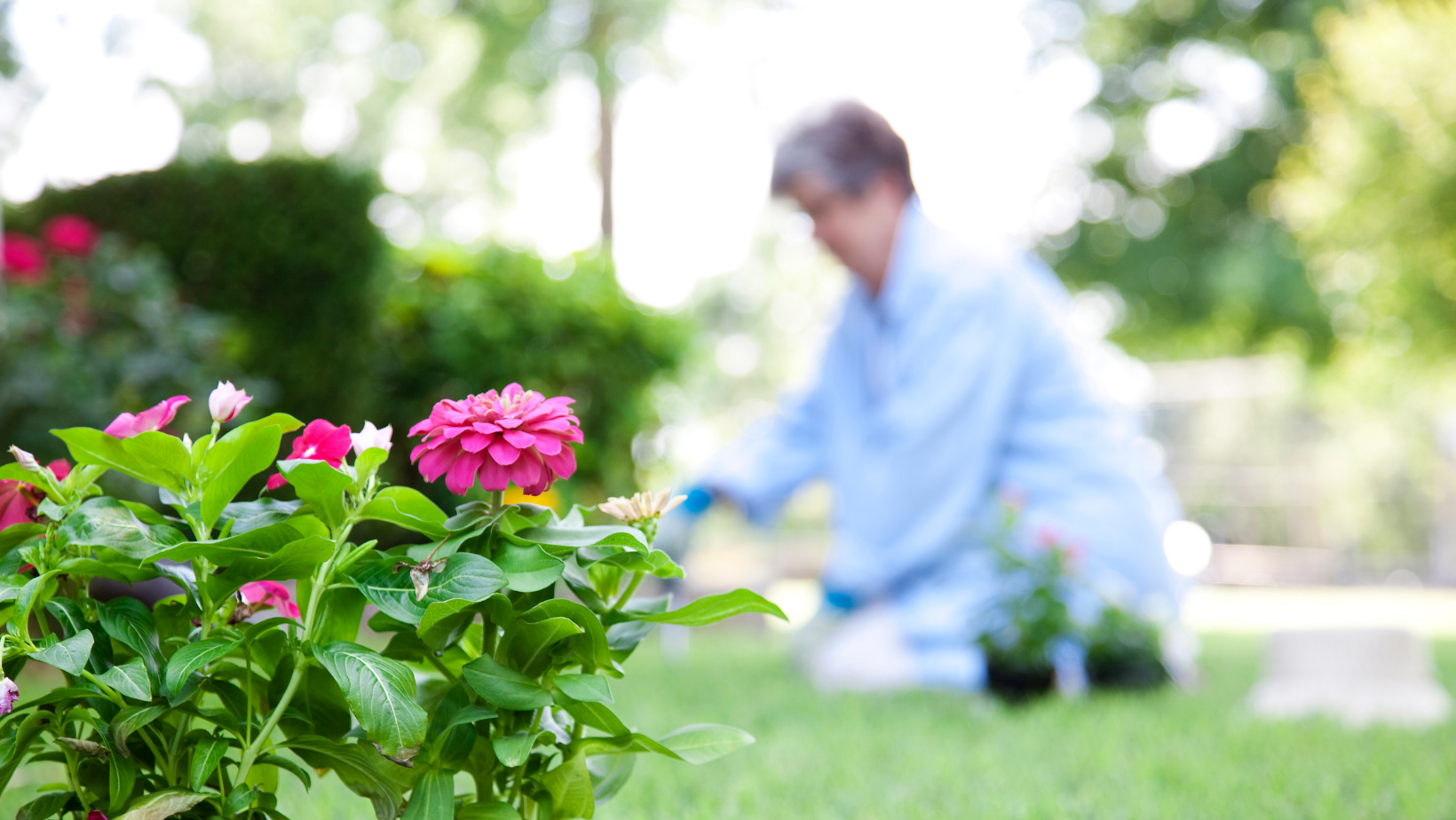
Gardening is more than just a hobby—it’s a powerful way for older adults to stay active, reduce stress, and enjoy everyday life.
For many families, encouraging gardening for seniors can be a simple way to support both physical and emotional health. But like any activity, it’s important to adapt gardening routines to match changing abilities.
With the right approach, safe gardening for elderly adults is not only possible—it can be incredibly rewarding.
The Health Benefits of Gardening for Seniors
One of the reasons gardening for seniors continues to grow in popularity is its wide range of health benefits.
1. Staying Active & Building Strength
Gardening may feel relaxing, but it’s also a form of low-impact exercise. Tasks like planting, watering, and weeding help:
- Improve flexibility
- Build strength
- Support balance
In fact, gardening can burn 200–400 calories per hour—making it a great alternative to more structured exercise routines.
Over time, gardening also helps build muscle strength, improve flexibility, and boost endurance. This can help with balance and reduce the risk of falls.
2. Supporting Brain Health
Gardening stimulates the brain through:
- Planning layouts
- Problem-solving plant care issues
- Remembering routines
Studies have shown that gardening can help reduce the risk of dementia by up to 36%. That’s because it engages both the body and the mind. This mental activity can help preserve memory and sharpen decision-making skills.
3. Reducing Stress & Boosting Mood
Gardening offers a natural way to relieve stress. Spending time in nature and nurturing plants increases levels of serotonin—the “feel good” hormone—and reduces levels of cortisol, the stress hormone. These benefits can be especially helpful for seniors managing anxiety or depression.
Some researchers even point to a beneficial soil bacterium, Mycobacterium vaccae. It may naturally improve mood and support immune health just through contact with soil.
4. Improving Bone Health
Exposure to sunlight during outdoor gardening allows the body to synthesize vitamin D, which supports bone strength and immune function. This is particularly important for older adults who are at increased risk of osteoporosis.
5. Encouraging Social Interaction
Gardening doesn’t have to be done alone. Community gardens or gardening with family can:
- Reduce isolation
- Encourage meaningful conversations
- Improve overall well-being
Outdoor Gardening Tips for Seniors
While the benefits are clear, it’s important to prioritize gardening safety tips for seniors to prevent injury.
1. Pace Yourself & Take Breaks
Overexertion is one of the biggest risks. Encourage seniors to:
- Work in short intervals
- Take frequent breaks
- Keep a chair or bench nearby
This helps prevent fatigue and reduces fall risk.
2. Dress for Safety & Comfort
Wearing the right clothing is essential for safe gardening for elderly adults.
- Closed-toe, supportive shoes
- Wide-brimmed hats
- Lightweight, long-sleeve shirts
These choices help protect against sun exposure and injuries.
3. Garden During Cooler Hours
Midday heat can be dangerous. The best times for gardening are:
- Early morning
- Late evening
This reduces the risk of dehydration and heat exhaustion.
4. Use Gardening Tools for Seniors
The right tools can make a huge difference. Look for:
- Lightweight tools
- Ergonomic handles (ideal for arthritis)
- Long-handled tools to reduce bending
- These are especially helpful when choosing the best gardening tools for seniors with arthritis.
5. Try Raised Garden Beds
One of the easiest ways to make gardening more accessible is using raised garden beds for seniors. Benefits include:
- Less bending and kneeling
- Easier access to plants
- Better soil control
Raised beds can be customized to height, making gardening much safer and more comfortable.
6. Stay Hydrated
Hydration is critical—especially during warmer months. Encourage:
- Drinking water regularly
- Keeping a bottle nearby
- Taking breaks in shaded areas
RELATED CONTENT: 6 Effective Ways to Prevent Dehydration in Seniors
7. Ask for Help When Needed
Gardening doesn’t have to be a solo activity. Family members or caregivers can assist with:
- Heavy lifting
- Digging
- Carrying tools
This is one of the simplest ways to make gardening easier for seniors.
Indoor Senior Gardening Tips
Not every senior has access to outdoor space—but that doesn’t mean they can’t enjoy gardening.
Indoor gardening for seniors offers many of the same benefits in a safer, more controlled environment.
1. Choosing the Right Location
Before buying plants or supplies, determine the best indoor spot for your garden. Look for:
- A sunny windowsill or a shelf near natural light
- A safe space free from walkways or tripping hazards
- Surfaces that are stable and easy to reach
If space is tight, consider using vertical planters, hanging baskets, or windowsill trays to maximize growing room.
2. Use Simple Tools
Indoor gardening requires minimal supplies:
- Small spade or trowel
- Pruning shears
- Ergonomic watering can
- Planter pots or window boxes
- Potting soil with good moisture retention
- Gardening gloves
These tools are ideal for seniors with limited mobility.
3. Picking Easy-to-Grow Plants
The best plants for indoor gardening depend on light conditions, but great beginner options include:
- Bright light: Aloe vera, rosemary
- Indirect light: Spider plants, peace lilies
- Low light: Ferns, philodendrons
- Starting small helps build confidence and keeps gardening enjoyable.
4. Getting Creative with Gardening
Indoor gardening can also spark creativity.
Seniors can try:
- Growing herbs for cooking
- Planting succulents in decorative containers
- Starting seeds or bulbs
These small projects provide a sense of purpose and accomplishment.
FAQ: Gardening for Seniors
- Is gardening safe for seniors? Yes, with proper precautions like pacing, hydration, and ergonomic tools, gardening is a safe and beneficial activity.
- How can I make gardening easier for seniors? Use raised beds, lightweight tools, and break tasks into smaller steps to reduce strain.
- What are the best gardening tools for seniors with arthritis? Look for tools with ergonomic grips, lightweight materials, and long handles to reduce joint stress.
- What are the gardening benefits for seniors? Gardening promotes physical movement, mental stimulation, and overall emotional well-being.
Final Thoughts: Why Gardening Is One of the Best Activities for Seniors
If you’re looking for safe outdoor activities for seniors, gardening checks all the boxes. And best of all—it can be adapted to fit any ability level.
With the right tools and adjustments, gardening for seniors can remain a safe, enjoyable, and meaningful activity for years to come.
Whether your loved one prefers tending a backyard garden or growing herbs indoors, small changes can make a big difference.
And if extra support is needed, professional caregivers can help seniors continue doing the activities they love—safely and comfortably.
ning is more than just a hobby—it’s a meaningful way for seniors to stay active, reduce stress, and enjoy nature. Whether indoors or outdoors, gardening offers countless physical, mental, and emotional health benefits. With a few adjustments, seniors can safely enjoy this therapeutic pastime well into their golden years.
Explore the top health benefits of gardening and get tips to help aging loved ones enjoy gardening safely.
Health Benefits of Gardening for Seniors
Gardening is a low-impact activity that provides a wide range of health benefits, both physically and mentally.
1. Burns Calories & Builds Strength
Gardening may seem gentle, but it’s actually a great form of moderate exercise. Tasks like digging, planting, weeding, and watering can help seniors stay physically active. Light gardening can burn up to 200–400 calories per hour, which is comparable to brisk walking.
Over time, gardening helps build muscle strength, improve flexibility, and boost endurance—all of which can help with balance and reduce the risk of falls.
2. Supports Brain Health
Studies have shown that gardening can help reduce the risk of dementia by up to 36%. That’s because it engages both the body and the mind. Planning a garden, caring for plants, and problem-solving challenges all stimulate cognitive function. This mental activity can help preserve memory and sharpen decision-making skills.
3. Reduces Stress & Boosts Mood
Gardening offers a natural way to relieve stress. Spending time in nature and nurturing plants increases levels of serotonin—the “feel good” hormone—and reduces levels of cortisol, the stress hormone. These benefits can be especially helpful for seniors managing anxiety or depression.
Some researchers even point to a beneficial soil bacterium, Mycobacterium vaccae. It may naturally improve mood and support immune health just through contact with soil.
4. Improves Bone Health
Exposure to sunlight during outdoor gardening allows the body to synthesize vitamin D, which supports bone strength and immune function. This is particularly important for older adults who are at increased risk of osteoporosis.
5. Fosters Social Interaction
Gardening doesn’t have to be a solo activity. Community gardens, neighborhood planting projects, or simply working alongside family members can foster meaningful social interactions. Social connection is crucial for seniors’ mental and emotional well-being and has been linked to longer lifespans.
Outdoor Gardening Tips for Seniors
Gardening outside offers fresh air and sunshine, but it’s important to take a few precautions to make it safe and comfortable for aging bodies.
1. Pace Yourself
Seniors should avoid overexertion by working in short intervals and taking frequent breaks. Fatigue can increase the risk of injury or falls. Using a garden stool or bench nearby allows for quick rest without leaving the garden.
2. Dress Appropriately
Gardening clothes should be protective yet breathable. Long sleeves and wide-brimmed hats offer sun protection while keeping you cool. Avoid open-toed shoes or flip-flops; choose supportive, closed-toe footwear with good grip to prevent falls.
3. Choose the Right Time of Day
Avoid gardening in the midday sun. Aim for early morning or early evening when temperatures are cooler, which also helps conserve water and avoid heat-related stress. When going outside, wear high-SPF sunscreen.
4. Use Senior-Friendly Tools
The right tools can make gardening easier and more enjoyable.
- Tools with long or extendable handles to minimize bending
- Lightweight hand tools with rubber grips
- Brightly colored tools for better visibility
- Seed tape to eliminate the need for precise planting
- Knee pads or cushioned mats to reduce joint pressure
5. Try Raised Garden Beds
Raised beds reduce the need to kneel or stoop, making gardening more accessible. Ideal beds are 2–3 feet tall and narrow enough to reach across. You can also install benches on the sides or use container gardens on a patio.
6. Stay Hydrated
Even short stints in the sun can lead to dehydration. Seniors should drink water regularly while gardening, especially in warmer months. Keeping a water bottle nearby and taking sips frequently is key to staying safe.
7. Involve Others
Gardening is a wonderful way for older people to connect with others. Ask a friend or family member to help with heavy lifting or digging, or invite a neighbor to garden alongside you. Sharing the hobby brings added joy and support.
8. Pick the Right Plants
If gardening is becoming more difficult, choose low-maintenance plants that are suited to your local climate. Herbs like basil, oregano, or thyme are easy to grow and offer health benefits. Edible plants like cherry tomatoes or strawberries are also rewarding and fun.
Indoor Gardening Ideas for Seniors
Not everyone has a backyard or easy access to outdoor space. Indoor gardening is a fantastic alternative that still provides many of the same health benefits. Here are a few ways to help seniors cultivate a thriving indoor garden.
1. Choose the Right Location
Before buying plants or supplies, determine the best indoor spot for your garden. Look for:
- A sunny windowsill or a shelf near natural light
- A safe space free from walkways or tripping hazards
- Surfaces that are stable and easy to reach
If space is tight, consider using vertical planters, hanging baskets, or windowsill trays to maximize growing room.
2. Use Simple Tools & Supplies
Indoor gardening doesn’t require fancy equipment, but a few essentials can make it easier and more enjoyable:
- Small spade or trowel
- Pruning shears
- Ergonomic watering can
- Planter pots or window boxes
- Potting soil with good moisture retention
- Gardening gloves
Look for tools with soft, wide handles to reduce hand and wrist strain, especially for those with arthritis. Some retailers offer complete indoor garden kits to ensure you have everything you need.
3. Pick Easy-to-Grow Plants
The best plants for indoor gardening will depend on the available light and your loved one’s gardening experience. With grow lights, you can amp up the amount of light in your space.
Here are some great beginner-friendly options:
- Bright Light: Hibiscus, aloe vera, rosemary, or snake plant
- Indirect Light: African violets, spider plants, peace lilies
- Low Light: Philodendrons, ferns, dieffenbachia
4. Inspire Creativity
Indoor gardening offers opportunities to get creative. Seniors can grow:
- Bulbs like amaryllis or daffodils
- Plants from seeds or avocado pits
- Decorative succulents in teacups or mason jars
- Mini herb gardens for the kitchen
The possibilities are endless, and success with small projects can boost confidence and provide a sense of accomplishment.
Final Thoughts
Gardening is an enriching and rewarding activity that supports healthy aging. Whether you’re growing herbs on a sunny windowsill or tending raised beds in your backyard, the physical, emotional, and cognitive benefits are immense. With the right tools, some planning, and a little help, seniors can continue gardening safely and comfortably.
If gardening is something a loved one enjoys but has difficulty doing alone, Caring Senior Service can help. Our caregivers can assist with tasks around the house or accompany your loved one outdoors to ensure a safe gardening experience. Reach out to your local Caring office today to learn more.