
For many families, reliable transportation is something that’s easy to take for granted. But for seniors who use wheelchairs, getting from place to place can be one of the biggest challenges to independence. A wheelchair-accessible van (sometimes called a mobility van) can be life-changing. The right transportation makes it possible to run errands, attend medical appointments, visit family, or simply enjoy a road trip without stress.
If you’re thinking about purchasing or renting a wheelchair-accessible van for your loved one, here are some essential considerations, including features, entry options, costs, and safety tips.
What Is a Wheelchair-Accessible Van?
A wheelchair-accessible van is a vehicle modified to allow individuals in wheelchairs to enter, ride, and sometimes drive without transferring to a standard seat. Modifications can include ramps or lifts, lowered floors, specialized seating, and safety tie-downs.
For seniors, these vans not only improve mobility but also:
- Reduce the risk of injuries during transfers
- Give family caregivers peace of mind
- Promote independence and quality of life
Key Considerations Before Buying
Before shopping, take time to evaluate your loved one’s specific needs. The right van depends on both the wheelchair and the lifestyle of the person using it.
Measure the wheelchair dimensions:
- Height (floor to top of head while seated)
- Width of the wheelchair and wheels
- Length (back of chair to footrest extension)
- Combined weight of the rider and wheelchair
These details will determine whether the van can safely accommodate your loved one.
Think beyond the chair:
- Will your loved one ride as a passenger or drive?
- How often will the van be used? Daily transportation or occasional outings?
- Do caregivers need extra space for lifting, transferring, or storing medical equipment?
Answering these questions early helps narrow down the best vehicle type.
Ramp Options for Easy Access
Most wheelchair-accessible vans are equipped with ramps to allow safe entry and exit. The most common options are foldout ramps and in-floor ramps.
Foldout Ramps
- Pros: Lower cost, work well over curbs and uneven surfaces, available in manual or electronic models.
- Cons: Rest against the interior side door when not in use, which may block some space.
In-Floor Ramps
- Pros: Stored under the floor, keeping the doorway clear; often easier for caregivers to manage.
- Cons: Typically more expensive and may not handle curbs as well.
Both options are safe and reliable. The decision often comes down to personal preference and budget.
Side-Entry vs. Rear-Entry Vans
How your loved one enters the van is another major decision.
Side-Entry Vans
With a side-entry van, the ramp deploys from the curbside, allowing safe entry and exit away from traffic. This setup also lets the rider sit in the front passenger seat or even drive while still in their wheelchair. Another advantage is that the rear cargo space remains open for storing luggage, groceries, or medical equipment.
Benefits:
- Flexible seating and driving options
- Keeps the cargo area free for storage
Drawbacks:
- Typically more expensive
- Requires wider parking spaces
Rear-Entry Vans
Rear-entry vans have a ramp that extends out the back, making parking easier since they don’t require extra space on the side. They are often more budget-friendly than side-entry vans and can usually fit two wheelchairs comfortably.
Benefits:
- Easier to park in tight spots
- More affordable option
- Can carry two wheelchairs
Drawbacks:
- Rider usually sits in the middle or back, not in the front seat
Additional Features to Consider
Modern wheelchair vans can be customized with features that improve comfort and safety. Some options include:
- Wheelchair tie-downs or docking systems for secure travel
- Automatic doors that open with the push of a button
- Kneeling systems that lower the van, reducing the ramp incline
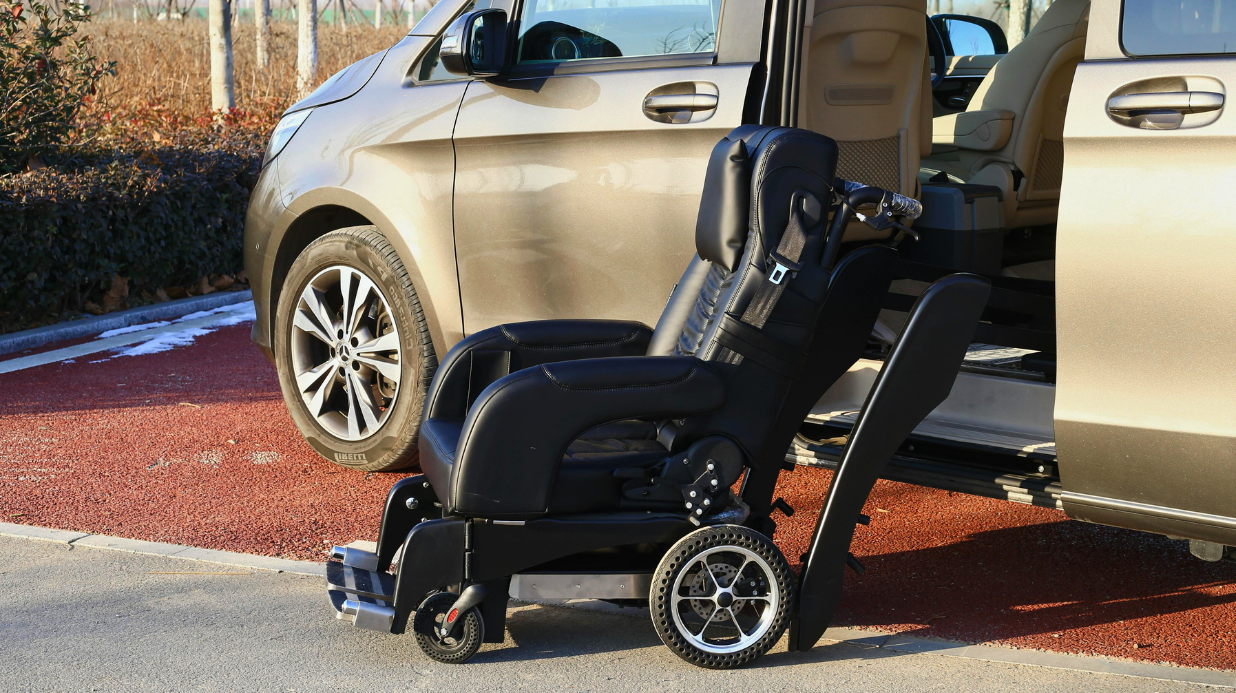
- Swivel transfer seats for easier movement between the wheelchair and the vehicle seat
- Driver hand controls if the rider will drive
- Backup cameras and blind-spot monitoring for caregiver drivers
These add-ons can make a big difference in daily use, especially for older adults with changing mobility needs.
Costs & Funding Options
A wheelchair-accessible van is a major investment, but there are ways to make it more affordable.
Average costs:
- New wheelchair van: $40,000–$70,000+ (depending on model and features)
- Used wheelchair van: $15,000–$30,000
- Conversion of an existing van: $10,000–$25,000
Funding resources to explore:
- Medicaid waiver programs in some states may cover part of the cost.
- Veterans Affairs (VA) offers assistance for eligible veterans.
- Nonprofit organizations & grants (such as those listed through the National Mobility Equipment Dealers Association, NMEDA).
- Dealer financing or specialized lenders that work with families purchasing mobility vehicles.
It’s a good idea to compare several dealerships and ask about certified pre-owned vans to save money without sacrificing safety.
Buying vs. Renting
Not every family needs to buy a van to accommodate a wheelchair user. Rentals can be a smart option for:
- Short-term recovery after surgery
- Travel or vacations
- Trial runs before making a purchase
Buying makes sense for long-term mobility needs, but renting allows flexibility if circumstances change.
Safety & Maintenance Tips
A wheelchair van is only safe if it’s used correctly and maintained regularly.
- Have ramps, lifts, and tie-downs serviced routinely.
- Train both seniors and caregivers on safe entry/exit.
- Check weight limits to avoid overloading the ramp.
- Ensure tie-downs are properly secured before each trip.
Preventative maintenance not only keeps the van safe but also extends its lifespan.
Making the Right Choice
Selecting the right wheelchair-accessible van requires balancing cost, convenience, and comfort. By carefully evaluating your loved one’s needs, you can find a solution that restores independence and makes travel safer and more enjoyable.
At Caring Senior Service, we understand how important mobility is to seniors and their families. If transportation challenges are affecting your loved one’s independence, our caregivers can help with safe transportation to appointments, errands, and social outings. Contact your local Caring team today to learn more.