
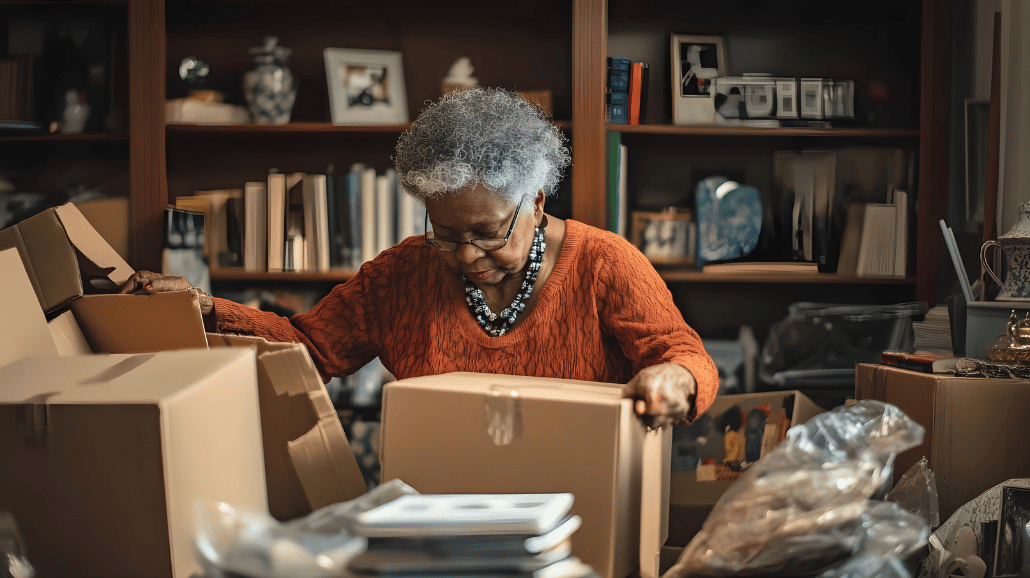
As seniors age, maintaining an organized home can become more challenging. Physical limitations, health changes, and emotional attachments to belongings can all make clutter harder to manage. Yet home organization plays a critical role in safety, accessibility, and overall quality of life—especially for seniors who want to continue aging in place.
The good news is that organizing a senior’s home doesn’t have to happen all at once. With a thoughtful, compassionate approach and a focus on functionality over perfection, families can create a living space that supports independence while reducing stress for everyone involved.
Why Seniors’ Homes May Become Disorganized
Understanding why clutter builds up can help families approach organization with empathy rather than frustration.
- Physical Limitations: Conditions like arthritis, balance issues, reduced strength, or chronic pain can make everyday tasks, such as lifting, bending, or carrying, more difficult. Over time, items may pile up simply because putting them away feels physically overwhelming.
- Emotional Attachments: Many older adults attach deep meaning to their belongings. Photos, gifts, paperwork, and household items often represent memories, relationships, or milestones. Letting go of these items can feel like losing part of their personal history.
- Chronic Health or Cognitive Conditions: Cognitive changes related to dementia, Parkinson’s disease, or stroke recovery can make it harder for seniors to remember where items belong. In other cases, depression or anxiety may reduce motivation to keep up with household organization.
- Hoarding Tendencies: Some seniors develop hoarding behaviors later in life, often driven by fear of waste, scarcity, or the belief that items may be needed “someday.” Even mild hoarding can increase safety risks if left unaddressed.
- Downsizing Challenges: Moving from a larger home into a smaller space can create storage challenges. Without a clear plan, clutter can quickly accumulate in closets, spare rooms, or common areas.
Benefits of an Organized Home for Seniors
Home organization is about more than appearances. It directly supports safety, comfort, and well-being.
- Reduced fall risk by keeping walkways clear
- Easier navigation for mobility aids like walkers or wheelchairs
- Less stress and anxiety caused by visual clutter
- Faster access to medications, glasses, and daily essentials
- Greater independence by placing items within easy reach
For family caregivers, an organized home also makes it easier to provide support efficiently and notice changes in routine or health.
8 Home Organization Tips
1. Start Small & Build Momentum
Large projects can feel overwhelming. Begin with one drawer, one shelf, or one countertop. Small wins build confidence and make it easier to continue.
2. Sort Items into Simple Categories
Use the “keep, donate, discard” method with clearly labeled bins. For sentimental belongings, consider creating a memory box that allows seniors to preserve items with sentimental value without keeping everything.
3. Prioritize Frequently Used Spaces
Focus first on areas seniors rely on every day.
Kitchen
- Store commonly used dishes and cookware within arm’s reach
- Group similar items together (baking supplies, snacks, medications)
- Dispose of expired food and spices
Living Room
- Remove loose rugs and excess furniture
- Secure cords and clear walking paths
- Use baskets or bins for remotes, books, and devices
Bathroom
- Install shelves or shower caddies for toiletries
- Keep daily items easy to access
- Safely dispose of expired medications
Bedroom
- Use drawer dividers for clothing and accessories
- Keep essentials like glasses, water, and medications near the bed
- Store seasonal clothing in labeled bins
4. Leverage of Vertical Storage
Look for vertical storage solutions, especially if your loved one has limited storage space. Take advantage of wall-mounted shelves, over-the-door organizers, and stackable bins to maximize space without creating clutter. These options are especially helpful in small spaces.
5. Use Labels & Clear Containers
Labels help seniors quickly identify where items belong, while clear containers reduce frustration and unnecessary searching. Large-print labels are especially helpful for vision changes.
6. Incorporate Assistive Organization Tools
Helpful tools may include:
- Reachers or grabbers for high shelves
- Lazy Susans in cabinets and pantries
- Non-slip drawer liners
- Pull-out shelving for easier access
7. Create Activity-Based “Zones”
Designate specific areas for activities like reading, hobbies, or watching TV. Keeping related items together reduces clutter and supports daily routines.
8. Review & Declutter Regularly
Set a seasonal reminder to reassess the home. Regular check-ins prevent clutter from building up again and allow organization systems to adapt as needs change.
RELATED CONTENT: How to Help Your Senior Reduce Clutter
How Organization Supports Senior Home Safety
An organized home provides many benefits for seniors. But especially, it plays a key role in fall prevention and daily safety. Clear pathways reduce tripping hazards, while proper storage minimizes the need for seniors to climb, reach, or bend. Keeping medications organized also lowers the risk of missed doses or medication errors.
For seniors aging in place, thoughtful organization supports both physical safety and confidence at home.
Addressing the Emotional Side of Decluttering
Helping aging loved ones organize their home can bring up strong emotions. Patience and respect are essential.
- Listen & validate emotional attachments
- Offer alternatives, like photographing sentimental items
- Focus on safety, not judgment
- Involve seniors in decision-making whenever possible
When hoarding behaviors or safety concerns arise, working with a professional organizer who specializes in senior homes can provide valuable guidance and reduce family conflict.
When Extra Help May Be Needed
If organization challenges begin to affect safety, hygiene, or medication management or if family members feel overwhelmed, it may be time to seek additional support. Professional caregivers can help maintain an organized, safe environment while allowing seniors to remain comfortably at home.
Final Thoughts
Organizing a senior’s home is not about achieving perfection. It’s about creating a safe, functional space that supports independence, dignity, and peace of mind. By understanding the challenges seniors face and taking a gradual, compassionate approach, families can make meaningful improvements that enhance daily life.
Even small changes can have a big impact on safety and comfort for both seniors and those who care for them.