
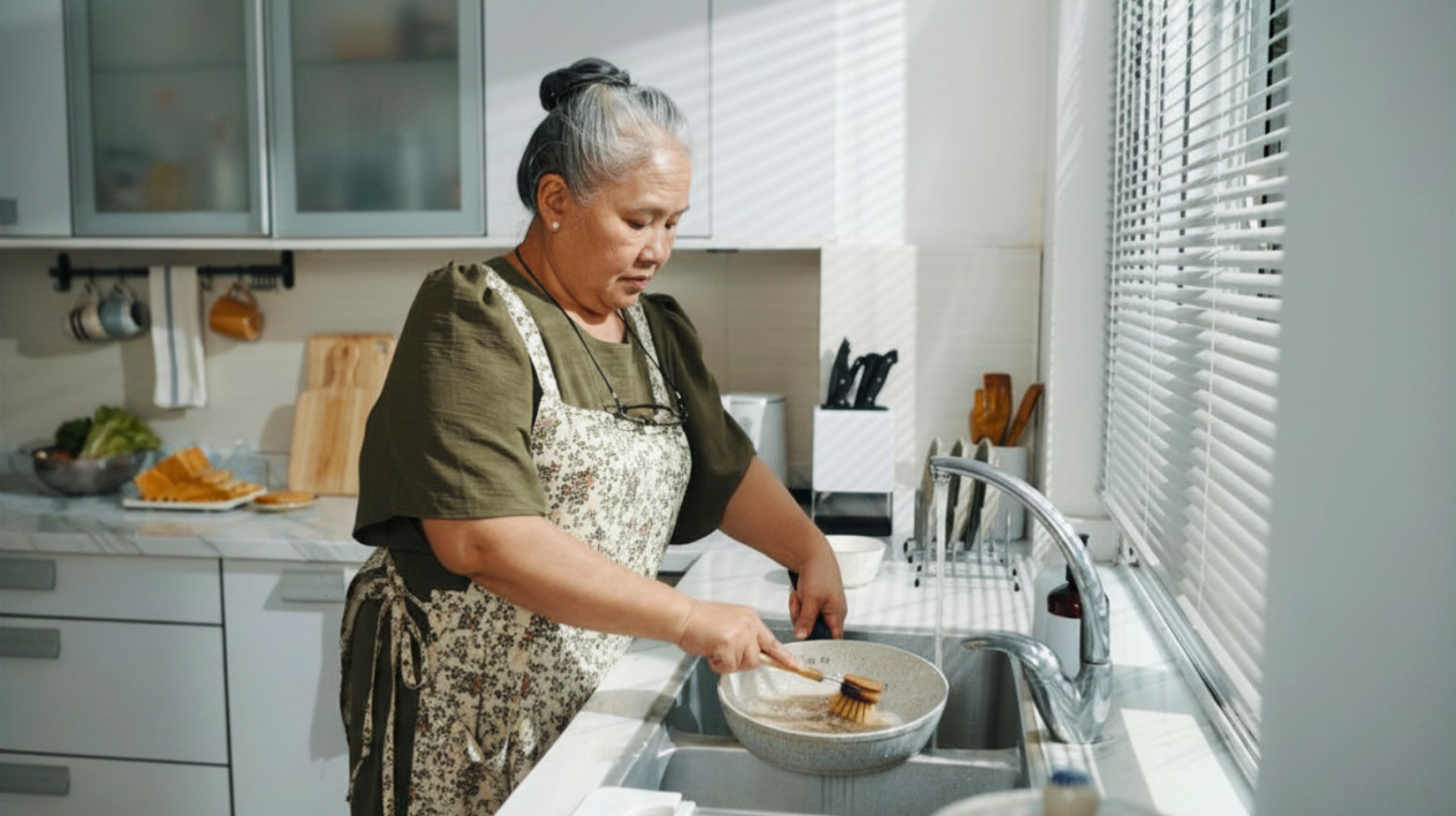
As we age, life’s changes can make each day feel a little less predictable. Retirement replaces decades of work schedules. Health conditions may require new medications or doctor’s appointments. Friends move away, driving becomes more difficult, or the loss of a spouse can completely change a daily rhythm.
While it’s normal for routines to evolve, maintaining a daily routine for seniors becomes increasingly important over time.
A consistent schedule provides more than organization. Research shows it can reduce stress, improve sleep, support brain health, encourage healthy habits, and help older adults remain independent.
Whether someone is living independently or receiving home care services, a predictable routine creates stability that benefits both seniors and their families.
Why Is Routine Important for Seniors?
The importance of routine for elderly adults goes beyond simply knowing what’s next on the schedule.
Daily routines reduce the number of decisions we have to make, allowing the brain to rely on familiar habits instead of constantly adapting to change. For older adults, that consistency can improve confidence while making everyday tasks feel more manageable.
The benefits of routine for seniors include:
- Reducing stress and anxiety
- Supporting memory and cognitive function
- Encouraging healthy eating and hydration
- Promoting better sleep
- Helping seniors remember medications
- Creating opportunities for social interaction
- Supporting independence and aging in place
Rather than feeling restrictive, a healthy routine often gives seniors greater freedom and peace of mind.
1. Routines Reduce Stress & Anxiety
Uncertainty can be overwhelming at any age. For seniors experiencing health changes, retirement, or the loss of loved ones, everyday life may already feel uncertain.
A predictable schedule helps create a sense of stability.
Knowing when meals will be served, when visitors will arrive, or when it’s time for a favorite activity reduces worry and allows seniors to relax.
This consistency can be especially helpful after:
- A hospitalization
- Moving into a new home
- Recovering from surgery
- Losing a spouse
- Beginning home care services
2. Structure Supports Brain Health
Our brains thrive on repetition. Following similar routines each day strengthens familiar patterns and reduces the mental effort required for routine tasks.
The following daily habits can help keep the brain active while reinforcing memory through repetition:
- Reading the newspaper each morning
- Walking after breakfast
- Completing crossword puzzles
- Calling family every evening
- Watering plants
For seniors living with dementia, familiar routines can also reduce confusion and agitation by making the day feel more predictable.
3. Healthy Routines Support Physical Health
Many healthy habits depend on consistency.
Following a healthy routine for seniors makes it easier to eat balanced meals, drink enough water, exercise regularly, attend medical appointments, and remember medications.
Without a predictable schedule, these important habits can easily be overlooked.
4. Better Sleep Starts With Consistency
Many older adults experience changes in their sleep patterns. Irregular bedtimes, excessive daytime naps, or inconsistent meal schedules can make sleep problems even worse.
A consistent daily routine helps regulate the body’s internal clock.
Helpful habits include:
- Waking up at the same time each day
- Spending time outdoors in natural sunlight
- Limiting long afternoon naps
- Eating meals on a regular schedule
- Following a relaxing bedtime routine
Better sleep supports energy, mood, memory, and immune health.
RELATED CONTENT: 6 Reasons Why Seniors Don’t Sleep Well at Night
5. Daily Routines Help Seniors Maintain Independence
One of the greatest benefits of routine for seniors is that familiar habits become second nature.
A senior daily routine might include:
- Morning hygiene
- Breakfast at the same time each day
- Taking medications
- Going for a walk
- Reading or doing puzzles
- Calling family members
- Preparing dinner
- A relaxing bedtime routine
These familiar patterns build confidence and allow many seniors to continue aging in place longer.
6. Structure Creates Opportunities for Social Connection
A daily schedule for seniors shouldn’t focus only on responsibilities. It’s equally important to build enjoyable activities into each week, such as:
- Lunch with friends
- Church services
- Senior center programs
- Volunteer opportunities
- Family dinners
- Exercise classes
- Visits from grandchildren
Looking forward to these activities helps reduce loneliness while supporting emotional and cognitive well-being.
7. Routine Can Ease Caregiver Stress
Routines don’t just benefit seniors—they also help family caregivers.
Predictable schedules make it easier to coordinate:
- Medication reminders
- Meals
- Appointments
- Bathing
- Exercise
- Home care visits
When everyone knows what to expect, daily caregiving often feels less stressful and more manageable.
How Home Care Can Reinforce Healthy Routines
Sometimes it becomes difficult for older adults to maintain routines for elderly adults on their own.
Professional caregivers can provide consistency by helping seniors establish regular mealtimes, medication reminders, exercise, transportation, companionship, and meaningful daily activities.
Rather than taking over, home care supports the routines that help seniors remain healthy, independent, and confident at home.
Building a Routine for Healthy Aging
Creating a routine doesn’t mean scheduling every minute. Instead, focus on a few anchor points throughout the day.
Try to keep these activities consistent:
- Wake-up time
- Meals
- Exercise
- Medication schedule
- Social activities
- Bedtime
As routines become habits, they’ll require less effort while providing greater stability.
The Power of Predictability
As life changes with age, routines provide something incredibly valuable: consistency.
A predictable day can reduce stress, improve health, strengthen memory, encourage independence, and make caregiving easier for the whole family.
Whether it’s enjoying coffee every morning, taking an afternoon walk, or visiting with a caregiver each week, these simple routines create the structure that helps older adults thrive.
Sometimes the smallest habits have the biggest impact.