
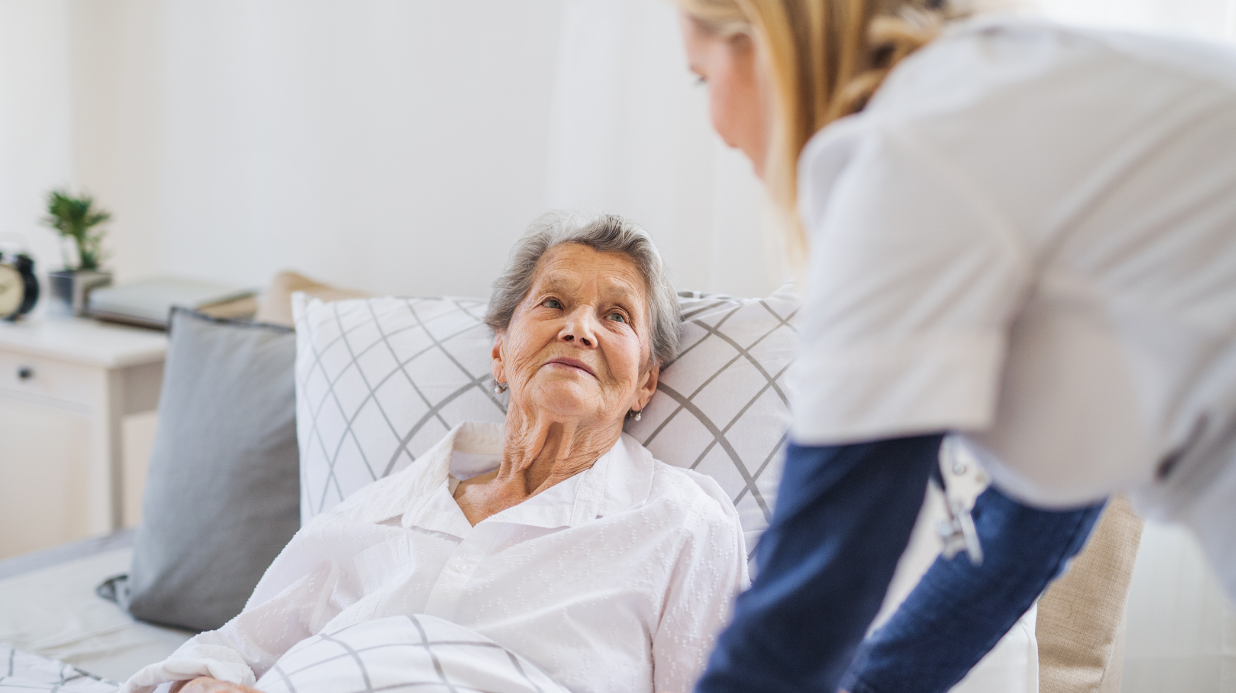
When a senior gets sick, even with what seems like a minor illness, the effects can be serious. Age-related changes in the immune system, chronic conditions, and slower recovery times put older adults at higher risk for complications. According to the CDC, respiratory illnesses like the flu, pneumonia, RSV, and COVID-19 send hundreds of thousands of seniors to the hospital each year.
As a family caregiver, you play a crucial role in keeping your loved one safe and supported when a contagious illness strikes. While it can feel overwhelming, there are clear steps you can take to provide effective care — whether you live with your parent or help from afar.
Follow Medical Guidance First
The most important step in caring for a sick senior is to follow their doctor’s advice. If your loved one has symptoms such as fever, cough, shortness of breath, or fatigue, contact a healthcare provider right away for diagnosis and treatment instructions.
Each illness may have different protocols. For example:
- Flu: Antivirals may be prescribed to shorten the duration.
- COVID-19: Monitoring oxygen levels at home may be recommended.
- RSV: Hydration and symptom management are key.
- Pneumonia: Antibiotics or hospital care may be needed in severe cases.
Always defer to the care plan provided by a doctor or nurse, and keep a list of medications, allergies, and emergency contacts close at hand.
Create a Safe & Supportive Environment
If your senior is recovering at home, setting up a safe, comfortable space is essential. Ideally, give them a private room with access to a bathroom. Stock the area with essentials like tissues, hand sanitizer, water, and medications so they don’t have to move around unnecessarily.
Limit their contact with other household members as much as possible, especially if anyone in the home is at higher risk. Good airflow is also important. Open windows when weather permits or use an air purifier to help keep the air fresh. This helps prevent the spread of the virus or illness.
Designate a Primary Caregiver
When illness is contagious, having one primary caregiver reduces the risk of spreading infection within the home. This person should ideally not be in a high-risk group themselves.
The designated caregiver can assist with personal needs such as bathing, toileting, and eating. Then, other family members pitch in with cooking, errands, and cleaning.
Designating one person doesn’t mean they have to do everything. It simply helps limit direct contact while allowing the rest of the family to support in other ways.
Practice Strong Infection Control
Good hygiene and cleaning habits are critical when caring for a senior with a contagious illness.
- Wash hands often: Use soap and water for at least 20 seconds, especially after contact with the sick individual or their belongings.
- Disinfect high-touch surfaces: Clean doorknobs, light switches, remote controls, and counters regularly.
- Handle laundry safely: Wash bedding, towels, and clothes frequently using the warmest water setting.
- Use protective gear: Wearing protective gear like gloves or masks (if recommended by a healthcare provider) and practicing frequent handwashing will help protect both caregiver and senior.
- Dispose of waste properly: Use lined trash bins for tissues, masks, or gloves, and empty them daily.
These measures not only protect the rest of the household but also reduce the risk of reinfection for the senior.
Caring from Afar
Not every adult child lives with their parent, but you can still play a vital role in their recovery.
- Hire a professional caregiver: A trained caregiver can provide personal care, monitor symptoms, and follow infection-control protocols. This ensures your loved one gets the help they need even when you can’t be there.
- Stay connected: Phone calls, video chats, and digital care portals can help you stay informed about your parent’s condition. Even a short daily call can provide reassurance and lift your loved one’s spirits.
- Coordinate family support: Set up group texts or virtual family meetings to share updates and divide responsibilities.
Distance doesn’t have to mean disconnection. By staying involved, you can provide comfort and oversight from wherever you are.
Emotional Support & Caregiver Well-Being
Illness can be isolating for seniors. Encourage conversation, reassure them about their recovery, and help them feel included in family life through calls or visits (when safe). Even small gestures, like sharing photos or playing music they enjoy, can improve mood and resilience.
Caregivers often struggle with stress or guilt during these times. If you feel you aren’t doing enough, remember that no one can do everything. Focus on what is possible — whether that’s coordinating care, checking in by phone, or taking shifts with siblings. Consider respite care if you need a break; protecting your own health ensures you can continue to provide support.
Prevention & Future Preparedness
The best way to care for a sick senior is to prevent severe illness in the first place. Families can take proactive steps to reduce risks.
- Stay up to date on vaccines: Flu, COVID-19, RSV (for older adults), and pneumonia vaccines can reduce severity and complications.
- Stock a home illness kit: Include a thermometer, pulse oximeter, fever reducers, electrolyte drinks, tissues, hand sanitizer, and masks.
- Encourage healthy habits: Good nutrition, hydration, and regular rest help support the immune system.
- Prepare the home: Keep walkways clear, bathrooms stocked, and a plan in place in case illness requires isolation or extra care.
By preparing now, you’ll be ready to act quickly and confidently if your parent does get sick.
Conclusion
Caring for a senior with a contagious illness at home requires planning, patience, and compassion. But you can help your loved one recover while reducing risks for the rest of the family.
Remember, you don’t have to do it alone. Professional caregivers from Caring Senior Service can provide essential support, and simple preventative steps can protect your parent’s health year-round.
Don’t wait until illness strikes! Prepare today to give your loved one the best chance at a safe recovery and continued independence at home.