
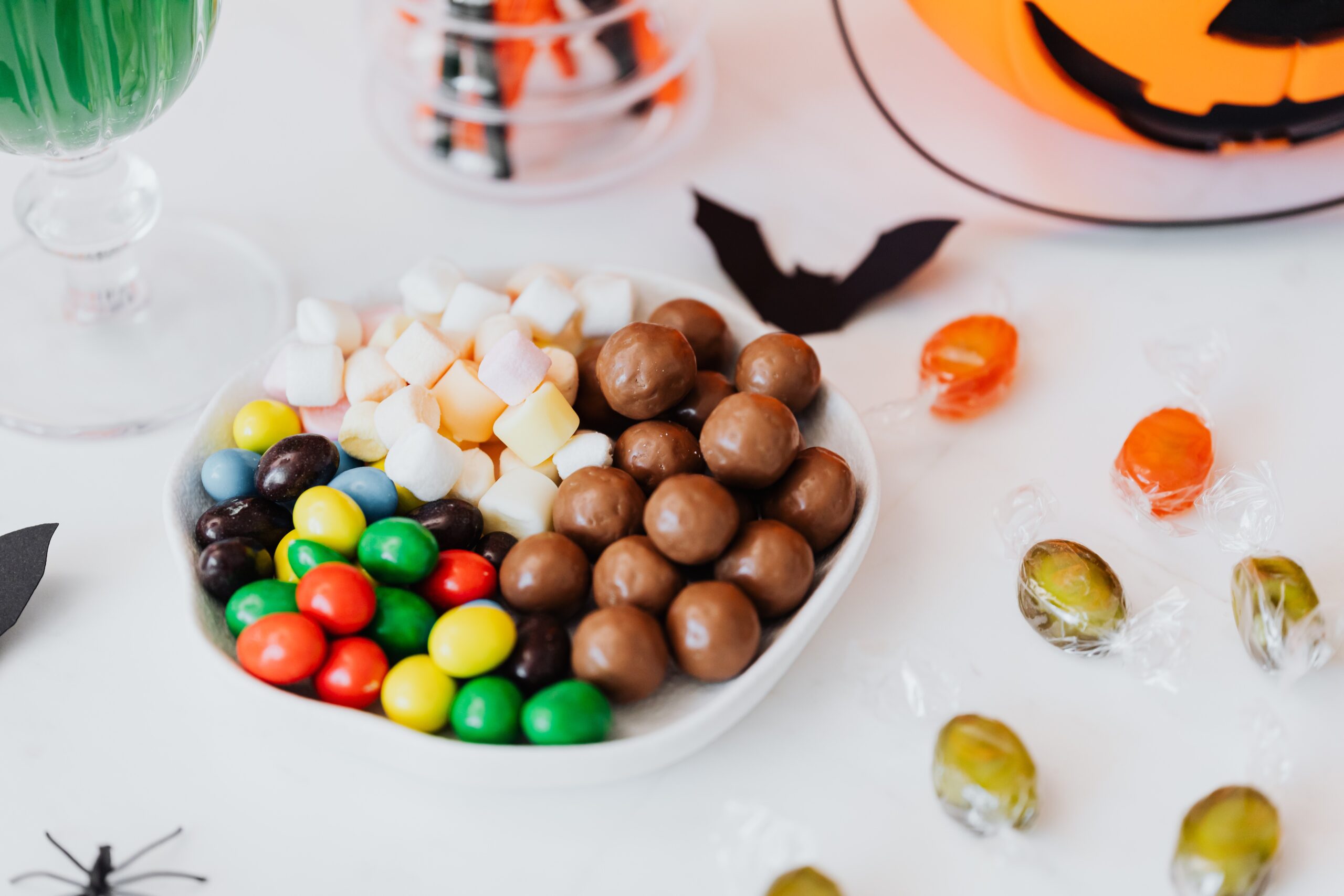
Halloween is a holiday enjoyed by people of all ages — and seniors are no exception! From handing out candy to dressing up or watching festive movies, older adults love joining in on the fun. And of course, no celebration is complete without a few sweet treats.
But for those with dentures, Halloween candy can be tricky. Nearly 60% of adults over age 65 wear full or partial dentures. Many popular Halloween candies are sticky, chewy, or hard, which can cause dentures to slip or even break.
The good news? There are plenty of denture-friendly Halloween candies that are soft, safe, and just as delicious.
Below are the best and worst Halloween treats for denture wearers. Plus, get expert tips to help seniors enjoy candy safely this spooky season.
Candy to Avoid
Let’s start with the candies that seniors with dentures should skip. Anything sticky, chewy, or hard can cause issues. Sticky candies cling to dentures, pulling them out of place or leaving residue, while hard candies can chip or crack dentures if chewed.
Here are some specific Halloween candies seniors should avoid:
- Gummy Candies: Gummy bears or worms, Swedish Fish, Sour Patch Kids, Dots
- Hard Candies: Jawbreakers, Runts, Nerds, lollipops with chewy centers like Tootsie Pops and Blow Pops, and candies with toffee like Heath Bars
- Chewy or Sticky Candies: Milk Duds, Skittles, Airheads, Butterfinger, 100 Grand, Twizzlers, Tootsie Rolls, caramels, Laffy Taffy, Starbursts, Fruit Chews, Twix
- Candies with Nuts: Mr. Goodbar, PayDay, Snickers, Almond Joy, Baby Ruth
Avoiding these types of candy can help prevent denture damage and keep the fit comfortable throughout Halloween festivities.
Denture-Friendly Halloween Candy
But don’t worry, seniors don’t have to miss out on Halloween fun! Plenty of soft candies and chocolates are safe for dentures — no sticky caramels or hard crunch required.
Here are some denture-friendly Halloween candies:
- Soft Chocolates: Reese’s Cups, Hershey Kisses, KitKat, 3 Musketeers, Hershey’s bars (without nuts), M&M’s, Crunch, Mounds
- Soft Candies: Junior Mints, Smarties, candy corn
- Candies to Enjoy Carefully: Hard candies like Jolly Ranchers or simple lollipops are safe as long as they’re sucked on, not chewed.
When in doubt, stick to milk or dark chocolate without nuts or caramel. If you’re unsure about a specific candy, check with your dentist for advice on what’s safest for dentures.
RELATED CONTENT: 8 Senior-Friendly Halloween Tips
Tips for Safely Enjoying Candy with Dentures
Even with denture-friendly candies, it’s essential to take care of your oral health while indulging in Halloween treats. Here are some tips to help you enjoy your sweets safely and keep your dentures in great condition:
- Drink Water: After eating candy, drink water to help rinse away sugars and candy residue from dentures. This reduces the plaque buildup.
- Eat Candy with Meals: Consuming sweets during meals helps increase saliva production, which naturally cleans the mouth and dentures.
- Clean Dentures Thoroughly: Brush and soak dentures daily with a denture cleaner. Like natural teeth, dentures can harbor bacteria and plaque if not cleaned properly.
- Limit Sugar Intake: Moderation is key. Too much sugar can increase the risk of gum irritation and oral infections, especially for denture wearers.
- Try Softer Dessert Alternatives: Craving something sweet? Opt for pudding, brownies, or soft cookies instead of sticky candy. These desserts are gentler on dentures and easier to chew.
- Check Denture Fit: Poorly fitted dentures can cause discomfort or slipping while eating. If they feel loose, talk with your dentist about adjustments or relining.
- Every Smile is Different: Even candies considered denture-friendly may be difficult to eat depending on individual chewing abilities. Choose treats that feel comfortable to eat and avoid anything that puts unnecessary pressure on your dentures.
Family caregivers can help by preparing soft, denture-friendly treats before trick-or-treating. They can also remind loved ones to clean dentures after eating sweets.
Celebrate Halloween Safely & Sweetly
As you enjoy Halloween, keep these candy options and tips in mind to ensure a fun and safe experience for seniors with dentures. Remember, it’s all about indulging in moderation and making smart choices that protect your oral health.
For more tips on caring for dentures and maintaining oral health, check out the guidelines from the American Dental Association.