
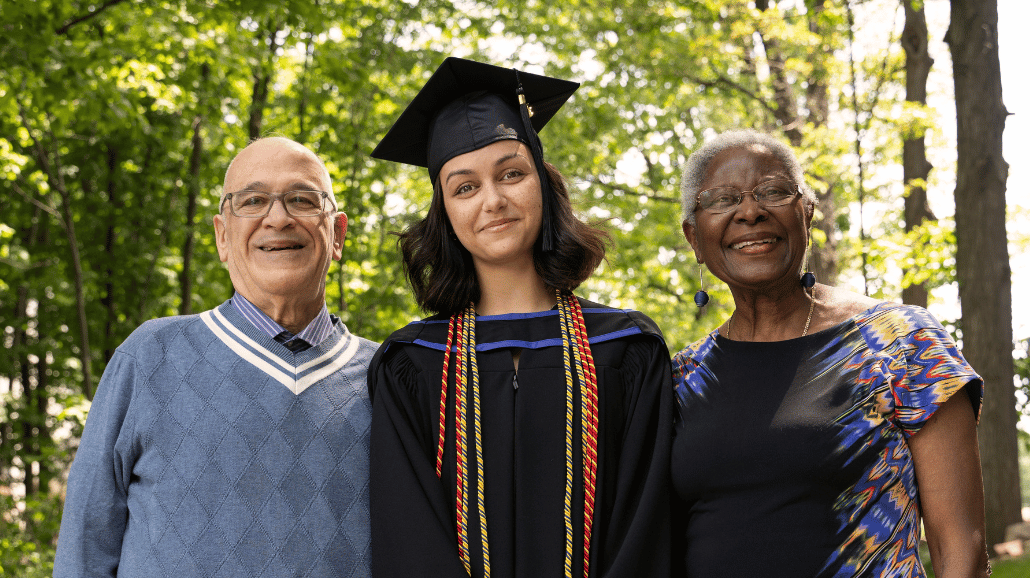
Graduation day is a milestone worth celebrating—not just for the graduate, but for the entire family. For many seniors, especially grandparents, attending a graduation ceremony is a meaningful opportunity to witness the next generation’s achievements and feel connected to important family moments.
However, large crowds, long ceremonies, and unfamiliar venues can make attending graduation more challenging for aging loved ones.
With a little planning and preparation, you can help seniors attend graduation ceremonies safely, comfortably, and confidently—so they don’t miss out on these once-in-a-lifetime moments.
1. Plan Ahead for the Graduation Venue
Both high school and college graduation ceremonies are often held in large arenas, auditoriums, or outdoor stadiums. Each setting presents different accessibility challenges, so it’s important to research the venue ahead of time.
Before the big day, check:
- Whether the venue is wheelchair accessible
- If ramps, elevators, or step-free entrances are available
- Where accessible or priority seating is located
- The distance from parking or drop-off areas to seating
- Whether the ceremony will be indoors or outdoors
Many schools provide accessibility maps or accommodations for guests. Calling ahead can help you avoid last-minute surprises.
2. Pack Essentials for a Comfortable Experience
Graduation ceremonies can be long, and seniors may need extra support to stay comfortable throughout the event.
Consider bringing:
- Mobility aids like a walker, cane, or wheelchair
- Medications or inhalers
- Bottled water and light snacks
- A cushion for hard seating or bleachers
- A light jacket or blanket for changing temperatures
- Sun protection like sunscreen, sunglasses, or a hat (for outdoor ceremonies)
Packing ahead ensures your loved one can relax and enjoy the ceremony without discomfort.
3. Plan for Restroom Access & Breaks
Access to restrooms is one of the most important considerations when attending a graduation with a senior.
To make things easier:
- Locate restrooms as soon as you arrive
- Choose seating close to facilities when possible
- Allow extra time for restroom breaks before and after the ceremony
- Bring hand sanitizer or personal hygiene items
If the ceremony is especially long, it’s okay to step out early to prioritize comfort.
4. Choose the Right Transportation
Transportation can make or break the experience. Graduation venues often involve long walks, crowded parking lots, and limited accessibility.
To reduce stress:
- Use a vehicle that is easy to get in and out of
- Consider a wheelchair-accessible van if needed
- Take advantage of designated drop-off zones for elderly guests
- Explore paratransit or accessible ride services
Minimizing walking distance can help conserve energy for the event itself.
5. Arrive Early & Avoid the Rush
One of our most important graduation tips for seniors: get there early. Graduation ceremonies tend to be busy and fast-paced, which can be overwhelming for seniors.
Arriving early allows you to:
- Secure accessible seating
- Get settled before large crowds arrive
- Avoid long lines and unnecessary stress
Building extra time into your schedule creates a more relaxed and enjoyable experience for everyone.
6. Have a Backup Plan Just in Case
Even with careful planning, some seniors may not feel well enough to attend a graduation ceremony in person.
If that happens, you can still make them part of the celebration:
- Watch a live stream of the ceremony together
- Record the event and plan a special viewing afterward
- Bring home photos, programs, or keepsakes
- Host a small celebration at home with family
Staying flexible ensures your loved one still feels included and connected.
7. Consider Hiring a Caregiver for the Day
Graduation days can be hectic—especially if you’re helping coordinate family, photos, and celebrations.
Hiring a professional caregiver can provide peace of mind for you and your senior family member by:
- Assisting your loved one with mobility and personal care
- Providing companionship during the ceremony
- Staying with them at home if they cannot attend
This allows you to focus on the celebration, knowing your aging loved one is supported.
8. Make the Moment Meaningful
Beyond the logistics, graduation is an emotional milestone. For seniors, attending may bring back memories of their own experiences and pride in their family’s journey.
Take time to:
- Include them in photos and family traditions
- Ask them to share stories or advice with the graduate
- Celebrate their role in helping shape the graduate’s success
These small moments can turn the day into a lasting memory for everyone involved.
Final Thoughts
Graduation ceremonies are about more than caps and gowns—they’re about connection, legacy, and celebrating life’s milestones together.
With thoughtful planning and the right support, you can help your aging loved one attend graduation safely and comfortably—so they can be part of the celebration and create meaningful memories with family.
At Caring Senior Service, our caregivers can provide support for special events like graduations, helping seniors stay engaged and connected. Whether your loved one needs help getting to the ceremony or support at home, we’re here to help.