
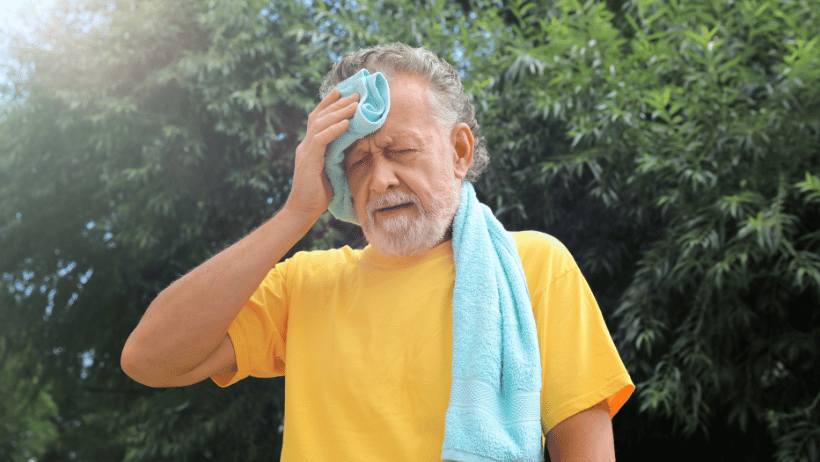
Summer brings longer days, sunshine, and opportunities to spend time outdoors. But for older adults, rising temperatures can also increase the risk of serious heat-related illnesses. As we age, our bodies become less efficient at regulating temperature, making it easier to become dehydrated or overheat—even during temperatures that younger adults may tolerate comfortably.
Understanding heat safety for seniors and taking simple precautions can help older adults stay safe, healthy, and comfortable all summer long. Whether you’re a family caregiver or an older adult looking to beat the heat, these heat safety tips can help prevent heat exhaustion, heat stroke, and other heat-related illnesses.
Why Are Seniors More Vulnerable to Heat?
Older adults are at greater risk of heat-related illnesses for several reasons. Aging naturally changes how the body responds to heat, and many seniors also live with medical conditions or take medications that increase their sensitivity to high temperatures.
Factors that increase heat risk include:
- A reduced ability to sweat and regulate body temperature
- A diminished sense of thirst, increasing the risk of dehydration
- Heart disease, diabetes, kidney disease, and other chronic conditions
- Certain medications, including diuretics, antihistamines, blood pressure medications, and some antidepressants
- Limited mobility or difficulty reaching cooler environments
- Living alone without someone checking in during extreme heat
Even healthy older adults can experience heat-related health problems during prolonged hot weather or heat waves. Taking preventative measures before symptoms develop is the best way to stay safe.
Common Heat-Related Illnesses in Older Adults
In addition to heat stroke and heat exhaustion, hot weather can cause other illnesses, from mild conditions to life-threatening emergencies. Knowing the differences can help you respond quickly.
- Heat cramps: Painful muscle cramps caused by fluid and electrolyte loss.
- Heat rash: A skin irritation caused by blocked sweat glands, often appearing as small red bumps.
- Heat edema: Swelling of the hands, feet, or ankles that can occur when the body adjusts to hot weather. While it’s usually mild, persistent or severe swelling should be evaluated by a healthcare provider.
- Heat syncope: Fainting or dizziness caused by heat, often after standing for long periods or getting up too quickly.
- Heat exhaustion: A more serious condition marked by heavy sweating, weakness, dizziness, nausea, and headache. Prompt cooling and hydration are important to prevent progression.
- Heat stroke: A medical emergency in which the body’s temperature rises to dangerous levels. Symptoms include confusion, altered mental status, and loss of consciousness. Call 911 immediately.
Heat Exhaustion vs. Heat Stroke
| Heat Exhaustion | Heat Stroke |
| Heavy sweating Weakness or fatigue Dizziness or fainting Headache Nausea or vomiting Fast, weak pulse | Hot, dry skin (although skin may still be damp in some cases) Body temperature above 103°F Slurred speech Confusion or altered mental status Seizures or loss of consciousness Rapid, strong pulse |
One of the biggest dangers of summer heat is dehydration. Because aging can reduce the body’s natural thirst response, many older adults don’t drink enough fluids until dehydration has already begun. Watch for signs such as:
- Dry mouth or lips
- Dark yellow urine
- Dizziness when standing
- Fatigue
- Headache
- Muscle cramps
- Confusion
- Decreased urination
If dehydration in seniors becomes severe, medical attention may be necessary.
10 Heat Safety Tips for Seniors
1. Stay Hydrated
Hydration is one of the most important ways to prevent heat-related illnesses.
Encourage older adults to drink water consistently throughout the day rather than waiting until they feel thirsty. Foods with high water content—such as watermelon, cucumbers, oranges, strawberries, and lettuce—can also contribute to hydration.
If plain water isn’t appealing, try:
- Fruit-infused water
- Sparkling water (without added sugar)
- Herbal tea served cold
- Low-sugar electrolyte beverages if recommended by a healthcare provider
Limit alcohol and excessive caffeine, which can contribute to dehydration for some people.
RELATED CONTENT: 5 Surprising Ways to Prevent Dehydration
2. Keep Your Home Cool
Air conditioning remains the most effective way to prevent heat-related illness during extreme heat.
Keep blinds and curtains closed during the hottest part of the day to reduce indoor temperatures. Run ceiling fans to improve air circulation, and make sure your air conditioning system is functioning properly before the hottest months of the year.
If you don’t have air conditioning, consider spending part of the day in an air-conditioned public location such as:
- Libraries
- Shopping centers
- Community centers
- Senior centers
- Cooling centers established during heat waves
3. Dress for the Weather
Lightweight, loose-fitting clothing made from breathable fabrics like cotton or linen helps the body cool naturally.
When outdoors, wear:
- Light-colored clothing
- A wide-brimmed hat
- UV-protective sunglasses
4. Avoid Peak Heat
Plan outdoor activities during the early morning or evening whenever possible.
If you must be outside:
- Take frequent breaks in the shade.
- Drink water often.
- Avoid strenuous activity during the hottest hours of the day, typically between 10 a.m. and 4 p.m.
- Pay attention to the heat index, not just the air temperature.
5. Protect Your Skin
Sunburn makes it harder for your body to cool itself and increases the risk of dehydration.
Apply a broad-spectrum sunscreen with SPF 30 or higher before going outdoors and reapply according to the product instructions. Seek shade whenever possible.
RELATED CONTENT: Tips to Protect Your Skin as You Age
6. Review Medications
Some prescription and over-the-counter medications can increase heat sensitivity or interfere with hydration.
Talk with your healthcare provider or pharmacist about whether any medications may require additional precautions during hot weather. Never stop taking medications without medical guidance.
7. Check In Regularly
Older adults who live alone are at greater risk during extreme heat.
Family members, neighbors, or caregivers should check in regularly during heat waves to ensure seniors are:
- Drinking enough fluids
- Staying cool indoors
- Feeling well
- Showing no signs of heat-related illness
Even a quick phone call can make a difference.
8. Eat Light Meals
Large, heavy meals can increase body temperature during digestion.
Instead, choose lighter meals featuring:
- Fresh fruits
- Salads
- Yogurt
- Lean proteins
- Vegetables
These foods are easier to digest and often contain additional water.
9. Monitor the Weather and Heat Index
Don’t rely on the temperature alone. High humidity can make it much harder for the body to cool itself, increasing the risk of heat-related illness. Before planning outdoor activities, check both the forecast and the heat index. On days with heat advisories or extreme heat warnings, it’s best for older adults to remain indoors as much as possible.
When temperatures soar or a heat advisory is issued, older adults should take additional precautions.
- Stay indoors as much as possible during the hottest part of the day.
- Run air conditioning if available or visit a cooling center if your home becomes too warm.
- Drink water regularly, even if you don’t feel thirsty.
- Avoid strenuous activities and postpone outdoor chores.
- Wear lightweight clothing and stay in shaded or air-conditioned areas.
- Ask a family member, neighbor, or caregiver to check in daily.
10. Have a Heat Emergency Plan
Prepare before temperatures rise.
Know:
- Where the nearest cooling center is located
- Who will check on your loved one during a heat wave
- Which medications increase heat sensitivity
- When to call a healthcare provider versus 911
Having a plan in place can help everyone respond quickly if temperatures become dangerous.
Frequently Asked Questions
- What temperature is too hot for seniors? While everyone’s tolerance is different, older adults are generally at greater risk once temperatures climb into the 80s—especially when humidity is high. During heat advisories or heat waves, it’s important to stay indoors whenever possible and pay attention to the heat index.
- Are fans enough to keep seniors safe? Fans improve comfort and air circulation, but they may not be enough during extreme heat. When indoor temperatures become very high, air conditioning or access to a cooling center is the safest option.
- How often should seniors drink water during hot weather? Rather than waiting until they’re thirsty, older adults should sip fluids regularly throughout the day. Healthcare providers may recommend different fluid goals depending on certain medical conditions, so follow individualized guidance when appropriate.
- Can medications increase the risk of overheating? Yes. Several common medications can affect hydration or the body’s ability to regulate temperature. If you have concerns, speak with your healthcare provider or pharmacist before hot weather arrives.
Helping Seniors Stay Safe All Summer
Summer should be a season to enjoy—not one spent worrying about heat-related illnesses. By staying hydrated, keeping living spaces cool, recognizing the warning signs of heat exhaustion, and checking in regularly, older adults can reduce their risk and remain safe throughout the hottest months of the year.