
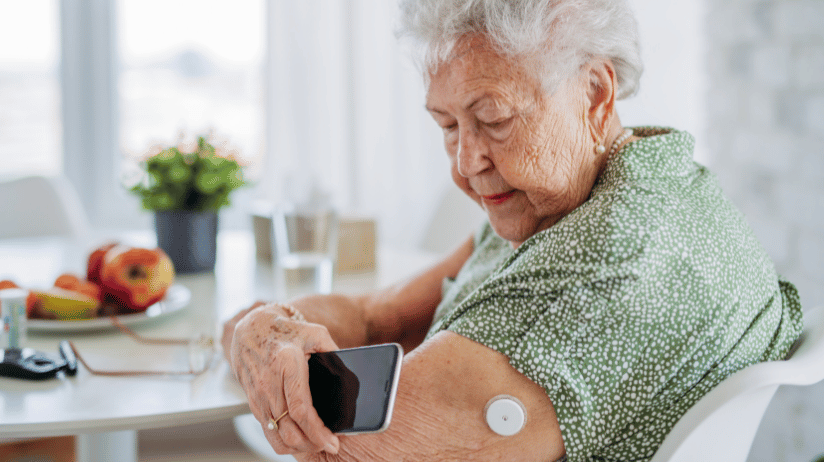
Diabetes affects millions of older adults in the U.S., and managing this chronic condition can become more complex with age. Seniors may face unique health challenges, from vision changes to mobility issues and medication confusion, which increase their risk of complications. For many, home care offers a life-changing solution.
My son has type 1 diabetes, so I know how overwhelming it can be to stay on top of blood sugar levels, medications, meals, and everything in between. It takes constant vigilance and support—and that’s true at any age. For seniors, especially those who want to stay independent, having the right help at home can make all the difference.
With support from trained caregivers, diabetic seniors can remain in the comfort of their own homes while receiving personalized care that promotes safety, stability, and a better quality of life. Let’s explore how home care helps older adults effectively manage diabetes and continue living on their terms.
1. Managing Vision Loss & Mobility Challenges
Diabetes often affects the eyes and nervous system, leading to diabetic retinopathy, neuropathy, or even foot ulcers. These complications can make it difficult for seniors to walk steadily, see clearly, or perform daily activities without assistance.
A professional caregiver can:
- Provide mobility support to reduce the risk of falls
- Assist with reading medication labels, instructions, or mail
- Help with light housekeeping and errands
- Offer transportation to appointments or community events
This hands-on help reduces the risk of injury while empowering seniors to maintain an active lifestyle.
2. Preventing Dangerous Medication Errors
Keeping blood sugar under control often requires a complex medication schedule, including insulin injections, oral medications, and frequent blood sugar checks. But cognitive changes, memory loss, and fatigue can make it easy for seniors to miss doses or accidentally double up. This can cause lows and highs in blood sugar levels, putting their health at serious risk.
Home care workers play a crucial role in:
- Reminding seniors to take medications on schedule
- Monitoring for signs of hypo- or hyperglycemia
- Reporting changes in behavior or health to family members or nurses
- Acting quickly in case of an emergency
By providing daily oversight, caregivers help reduce hospital visits and ensure a safer routine for diabetic seniors.
3. Supporting Consistent Blood Glucose Monitoring
Regular blood glucose checks are a pillar of diabetes care plans. However, this task becomes harder as seniors face arthritis, tremors, or vision impairments. Some may struggle with using glucose monitors, keeping blood glucose logs, or interpreting results.
Home care professionals can assist by:
- Performing or guiding blood sugar checks
- Logging results for healthcare providers
- Teaching adaptive techniques to support independence
- Recognizing early signs of blood sugar imbalance
With the right tools and coaching, seniors gain confidence in managing their own health while getting the backup they need.
4. Promoting Healthy Eating Habits
Nutrition has a major impact on managing blood sugar levels. However, shopping, meal prep, and dietary planning can become challenging for older adults, especially those with limited mobility, vision issues, or financial constraints.
Home care services help seniors make better food choices by:
- Planning diabetic-friendly meal plans
- Assisting with grocery shopping
- Preparing healthy meals and snacks
- Offering nutrition education tailored to diabetes
A well-balanced diet helps prevent glucose spikes and dips, supports medication effectiveness, and contributes to overall well-being.
5. Encouraging an Active & Engaged Lifestyle
Managing diabetes isn’t just about glucose levels—it’s also about living well. Isolation and inactivity can take a toll on mental health and physical function, both of which are critical for diabetes control.
Home caregivers help seniors stay socially and physically engaged by:
- Accompanying them on walks, outings, or errands
- Providing companionship and conversation
- Supporting hobbies like gardening or crafting
- Encouraging participation in clubs, faith groups, or community centers
This emotional support can reduce stress, combat depression, and increase motivation—all of which play a role in successful diabetes management.
6. Giving Family Members Peace of Mind
Many seniors with diabetes are still mentally sharp and independent. But the unpredictability of blood sugar levels can worry their loved ones. Home care bridges the gap between independence and safety, offering families reassurance that someone is there to help if needed.
Professional caregivers serve as another set of eyes and ears in the home, updating family members about health changes and ensuring seniors are following their care plan. This support is especially vital for long-distance caregivers or adult children balancing their own responsibilities.
Personalized Care for Every Stage
Whether a senior is newly diagnosed or has been managing diabetes for decades, home care plans are tailored to individual needs and preferences. Some may only need a few hours of help per week, while others may benefit from full-time support.
At Caring Senior Service, our caregivers are trained to recognize the symptoms of blood sugar fluctuations and to support each client’s unique care goals. We focus on building trusted relationships, respecting independence, and helping seniors live the lives they love—safely and confidently.
Final Thoughts
Diabetes doesn’t have to mean giving up the comfort of home or sacrificing independence. With the right support, seniors can manage their condition, stay active, and enjoy the lifestyle they deserve.
If your aging loved one is living with diabetes and could use help managing their daily routine, home care might be the ideal solution. Reach out to your local Caring Senior Service team to learn how our caregivers can support your family’s health and peace of mind.