
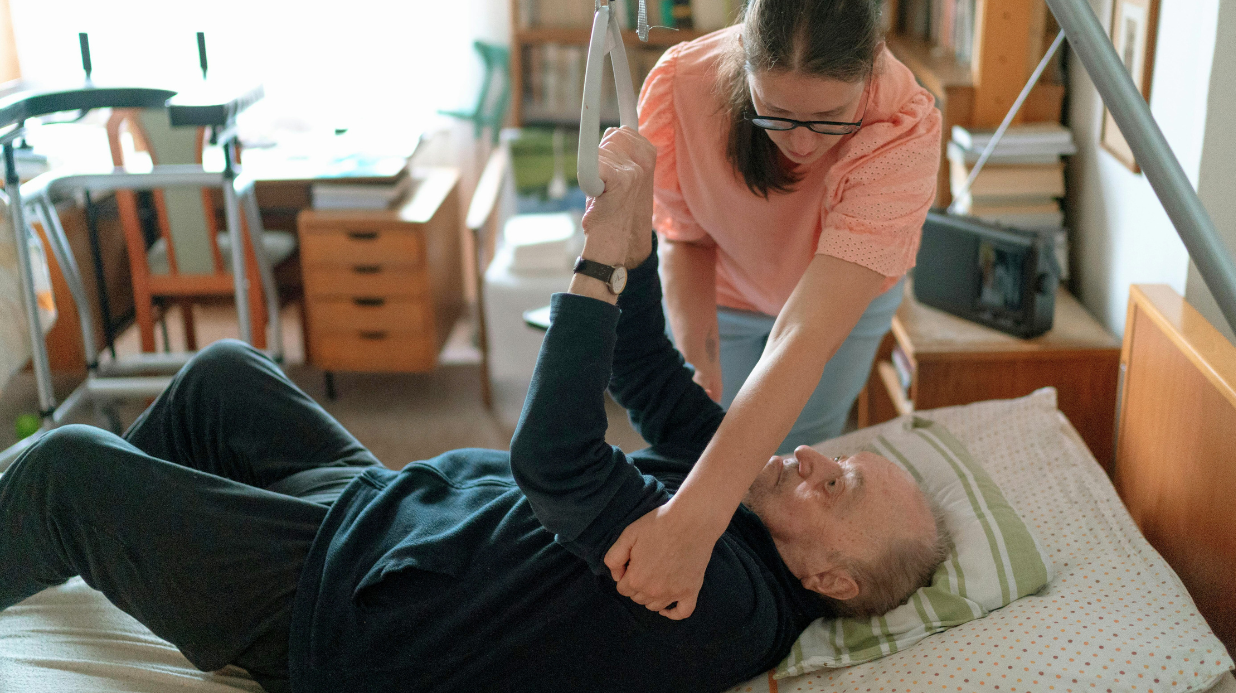
For many veterans, the journey of service doesn’t end when they hang up their uniform. The experiences, injuries, and sacrifices that come with military life can have lasting effects, both physically and emotionally. As veterans age, those effects can influence how they experience daily life and what kind of support they need.
Family caregivers and home care professionals play a vital role in helping veterans live safely and comfortably at home. But providing great care requires understanding the unique health challenges veterans face. Recognizing these challenges allows caregivers to deliver compassionate, personalized care that honors each veteran’s service and dignity.
1. Hearing Loss & Tinnitus
Hearing loss is one of the most common service-related conditions among veterans. Repeated exposure to loud machinery, gunfire, or explosions during training and combat often leads to hearing damage. Many veterans also experience tinnitus, a constant ringing or buzzing sound in the ears that can make concentration and sleep difficult.
Hearing problems can make social interactions frustrating and may even lead to isolation or depression if not properly managed.
Care tips:
- Face your loved one when speaking and maintain eye contact to support lip reading and nonverbal cues.
- Reduce background noise from TVs, fans, or radios during conversation.
- Encourage regular hearing screenings and consistent use of hearing aids or assistive devices.
- Write down key details, like medication times or appointments, to avoid miscommunication.
- Be patient and calm. Veterans with hearing loss may need extra time to process conversations.
For many, addressing hearing loss early can greatly improve quality of life and social connection.
2. Post-Traumatic Stress Disorder (PTSD)
PTSD can develop after exposure to traumatic events, such as combat or military accidents. While symptoms can appear soon after the trauma, they sometimes emerge decades later, particularly as veterans retire and have more time to reflect.
Symptoms often include flashbacks, nightmares, anxiety, irritability, or emotional withdrawal. Certain triggers, such as fireworks, loud noises, or even the smell of smoke, can provoke strong reactions.
Care tips:
- Create a predictable routine. Structure helps veterans feel secure and reduces anxiety.
- Avoid sudden movements or loud sounds that may startle or trigger distress.
- Encourage professional help. Many veterans benefit from counseling, therapy, or peer support groups.
- Respect boundaries. Don’t pressure your loved one to discuss past experiences unless they initiate the conversation.
- Practice grounding techniques (like deep breathing or naming objects in the room) to help in moments of panic or disorientation.
If PTSD symptoms interfere with daily life, professional mental health support through the VA or community providers can make a tremendous difference.
RELATED CONTENT: Caring for Seniors with PTSD
3. Mobility Challenges & Service-Related Injuries
Older adults who sustained physical injuries during their service, such as amputations, spinal cord damage, or joint injuries, may face long-term mobility limitations. Over time, these conditions can worsen with arthritis, muscle loss, or balance issues related to aging.
Even veterans without major injuries may struggle with chronic pain from years of physical strain or demanding service duties.
Care tips:
- Assess the home for safety. Install grab bars in the bathroom, add ramps or stair lifts, and ensure hallways are clutter-free.
- Encourage gentle physical activity. Programs like yoga, tai chi, or aquatic therapy can improve balance and flexibility.
- Work with rehabilitation specialists. Physical or occupational therapists can tailor exercises and equipment recommendations.
- Explore adaptive devices. Adjustable beds, mobility scooters, or reacher tools can make independence easier.
Mobility support not only reduces fall risk but also helps veterans retain a sense of control over their daily routines.
4. Traumatic Brain Injury (TBI)
TBI is another common condition among veterans, particularly those exposed to blasts or concussive forces. Depending on the severity, TBI can cause memory problems, difficulty concentrating, headaches, dizziness, or mood swings.
Because symptoms often overlap with dementia or aging-related cognitive decline, it’s important to seek medical evaluation to identify appropriate care strategies.
Care tips:
- Simplify instructions and tasks into small, manageable steps.
- Use reminders and visual aids, like calendars, labeled drawers, and smartphone alerts, to help with organization.
- Encourage brain-stimulating activities like puzzles or card games.
- Monitor emotional changes. Irritability or depression may indicate the need for medical or psychological support.
Family caregivers can work closely with healthcare providers to ensure consistent routines and cognitive support for veterans living with TBI.
5. Chronic Pain & Sleep Disturbances
Chronic pain is a daily reality for many veterans, often stemming from injuries, arthritis, or long-term strain. Additionally, veterans are more likely to experience insomnia, nightmares, or disrupted sleep due to pain or PTSD. Poor sleep can worsen mood, memory, and physical health over time.
Care tips:
- Track pain patterns. Keeping a log helps healthcare providers adjust treatments.
- Promote relaxation techniques such as meditation, stretching, or breathing exercises.
- Maintain consistent sleep routines.
- Avoid caffeine and screen use before bedtime to improve rest quality.
- Explore alternative therapies, like massage, acupuncture, or gentle exercise, to complement medical treatments.
Home caregivers can also monitor medication adherence to ensure pain relief is consistent and safe.
6. Accessing Veteran Benefits & Support Services
Many veterans and their families aren’t aware of the full range of benefits available through the U.S. Department of Veterans Affairs (VA) and other organizations. These resources can help with everything from medical equipment to in-home personal care.
Helpful programs include:
- Aid and Attendance Benefit: Provides financial assistance for veterans who need help with daily activities like bathing, dressing, or meal preparation.
- Homemaker & Home Health Aide Care: Offers in-home care for veterans through trained caregivers.
- Respite Care: Gives family members a temporary break while ensuring the veteran continues to receive quality care.
- Veteran-directed care programs: Allow veterans to manage their own care budgets and hire the help they choose.
Here are some tips for accessing home care services and support for a loved one:
- Contact your local VA office or a veteran service officer to explore available programs.
- Keep detailed service and medical records to simplify benefit applications.
- Consider working with a home care agency experienced in VA coordination, like Caring Senior Service, to streamline the process.
Supporting Veterans with Dignity & Gratitude
Caring for a veteran means more than managing medical conditions; it means recognizing their service and treating them with the respect they deserve. Veterans bring strength, resilience, and pride to their later years. However, they may also need understanding and patience as they navigate the effects of their service.
By being aware of these unique care considerations and connecting veterans with the right resources, families can help ensure their loved ones live with comfort, independence, and dignity at home.
If you’re caring for a veteran and need additional support, Caring Senior Service can help. Our professional caregivers are trained to provide personalized home care that honors the individual needs and experiences of every client. And we can help you access the benefits your loved one deserves. Contact your local office today.