
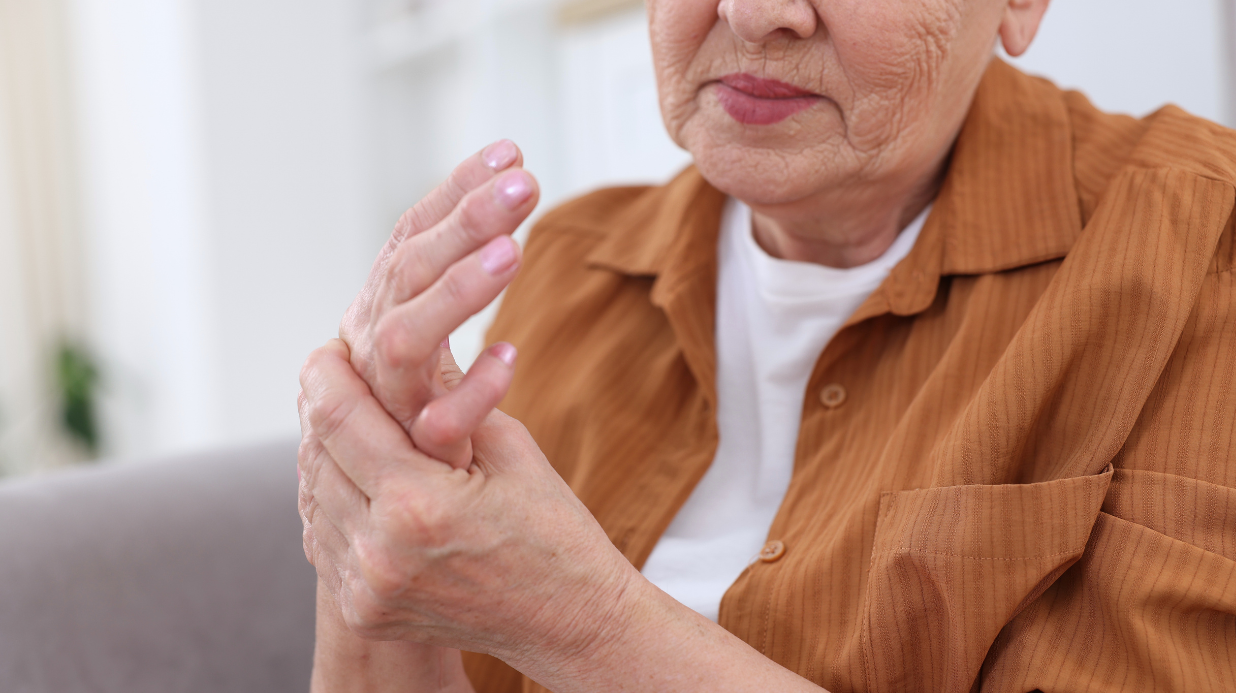
Living with arthritis can present daily challenges, especially for older adults who want to remain active and independent. Stiff joints, chronic pain, and reduced mobility can make even simple tasks feel overwhelming. But with the right approach, it’s possible to manage arthritis effectively and continue living a fulfilling life.
Whether you’re navigating arthritis yourself or helping an aging loved one, small daily changes can make a big difference. Here are practical, proven tips for living with arthritis, reducing pain, and maintaining independence at home.
1. Stay Active with Low-Impact Exercise
It may feel counterintuitive, but movement is one of the most effective ways to manage arthritis pain. Regular, low-impact exercise helps improve joint flexibility, strengthen muscles, and reduce stiffness.
Some of the best exercises for arthritis include:
- Walking
- Swimming or water aerobics
- Yoga or gentle stretching
- Cycling on a stationary bike
Staying active with arthritis doesn’t mean pushing through pain. Instead, focus on consistency and choose activities that feel comfortable. Even 15–20 minutes of daily movement can support long-term arthritis management.
2. Build a Daily Routine for Arthritis Management
Creating a predictable daily routine can help individuals manage arthritis more effectively. When you plan your day around energy levels and pain patterns, it becomes easier to stay in control.
A balanced daily routine for arthritis sufferers might include:
- Gentle stretching in the morning
- Activity during peak energy times
- Rest breaks between tasks
- Relaxation techniques in the evening
This structure supports arthritis pain management while helping seniors maintain independence in their daily lives.
3. Use Heat & Cold Therapy for Pain Relief
One of the simplest ways to reduce arthritis pain at home is through heat and cold therapy.
- Heat therapy (warm showers, heating pads) helps relax muscles and improve circulation
- Cold therapy (ice packs) can reduce inflammation and numb sore joints
Alternating between the two can be especially effective for arthritis pain relief. These methods are easy to incorporate into a daily routine and can provide quick, noticeable comfort.
4. Maintain a Healthy Weight
Carrying extra weight places added stress on joints—especially the knees, hips, and lower back. For those living with arthritis, even modest weight loss can significantly reduce pain and improve mobility.
A balanced diet that includes:
- Fruits and vegetables
- Lean proteins
- Whole grains
- Healthy fats
can support overall health and reduce inflammation. Combined with gentle exercise, healthy eating plays a key role in arthritis management.
5. Modify Your Home for Easier Movement
Making small adjustments at home can help seniors stay independent with arthritis and reduce the risk of strain or injury.
For managing arthritis at home, consider:
- Installing grab bars in bathrooms
- Using jar openers or adaptive kitchen tools
- Choosing chairs with armrests for easier standing
- Keeping frequently used items within easy reach
These simple modifications support arthritis self-care and allow individuals to manage daily tasks more comfortably.
6. Protect Your Joints During Daily Activities
Joint protection is an essential part of arthritis pain management at home. The goal is to reduce unnecessary strain while completing everyday tasks.
Helpful strategies include:
- Using larger joints instead of smaller ones (e.g., carrying items with your forearms instead of hands)
- Avoiding repetitive motions when possible
- Taking breaks before pain becomes severe
Learning how to move more efficiently can help reduce arthritis pain naturally and prevent further joint damage.
7. Prioritize Rest & Listen to Your Body
While staying active is important, rest is equally essential for arthritis pain management. Overdoing it can lead to increased inflammation and discomfort.
Pay attention to your body’s signals. If pain increases, it may be time to pause and recharge. Quality sleep is also critical, as it allows the body to repair and recover.
Balancing activity with rest is key to maintaining independence with arthritis over time.
8. Explore Support Options for Daily Living
For some seniors, managing arthritis alone can become difficult. That’s where additional support can make a meaningful difference.
Family caregivers and professional home care providers can assist with:
- Meal preparation
- Light housekeeping
- Personal care tasks
- Transportation to appointments
Having support doesn’t mean losing independence—it often means preserving it. With the right help, seniors can continue living safely and comfortably at home.
9. Stay Connected & Mentally Engaged
Living with chronic pain can sometimes lead to isolation. Staying socially connected and mentally engaged is just as important as physical health.
Encourage activities like:
- Visiting with friends or family
- Participating in hobbies
- Joining a local or virtual support group
Maintaining emotional well-being can improve overall quality of life and make managing arthritis feel more manageable.
Final Thoughts
Living well with arthritis is about more than just managing symptoms—it’s about creating a lifestyle that supports comfort, independence, and joy.
By staying active, building a routine, making simple home modifications, and seeking support when needed, seniors can reduce arthritis pain and continue doing the things they love.
If you’re helping an aging loved one navigate arthritis, remember that small changes can have a lasting impact. And if daily tasks are becoming more difficult, professional care services can provide the extra support needed to stay independent at home.