
For many older adults, home represents comfort, familiarity, and independence. But as we age, everyday tasks, like getting up to adjust the thermostat, remembering medications, or answering the front door, can become more difficult.
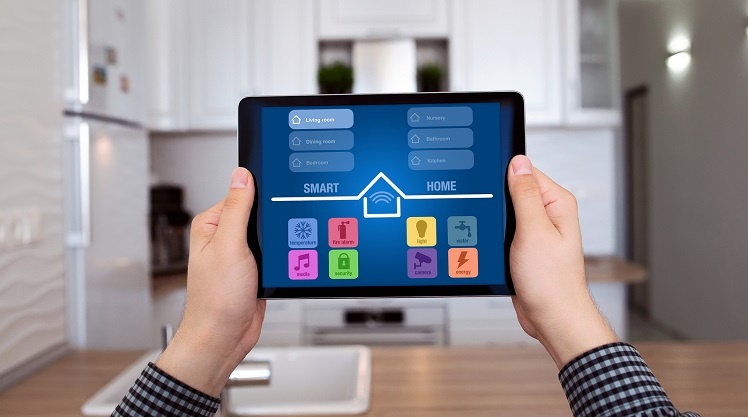
Smart home technology can help make some of these tasks easier and safer. Today’s smart home devices go far beyond simple voice assistants. They can automatically illuminate dark hallways, detect potential falls, offer medication reminders, provide a sense of security, and help family members stay connected.
While technology isn’t a replacement for hands-on support, the right devices can help older adults maintain their independence and feel more confident at home. Here are 8 types of smart home technology that can support seniors who want to age in place.
1. Voice Assistants & Smart Displays
Smart home assistants can serve as a central hub for other smart devices throughout the home. Instead of navigating an app or getting up to flip a switch, seniors can use simple voice commands to control the smart home link. This can include options for compatible lights, thermostats, and televisions.
Smart speakers and displays can also help seniors:
- Set timers
- Make hands-free calls
- Check the weather
- Play music or audiobooks
- Create shopping lists
- Set reminders for appointments or daily tasks
For older adults with limited mobility, vision issues, or trouble using small buttons and touchscreens, voice controls can help manage the household.
2. Smart Lights
Good lighting is an important part of home safety, especially for older adults with changes in vision or mobility. But reaching for a light switch in a dark bedroom or walking through an unlit hallway can create its own safety risk.
Smart bulbs and motion-activated lights can automatically illuminate areas of the home when movement is detected. For example, lights could turn on when a senior gets out of bed at night or enters a hallway.
Smart lighting can also be controlled through voice commands, an app, or a preset schedule. These features can reduce the need to navigate a dark home and may help lower the risk of trips and falls.
3. Video Doorbells & Smart Locks
Answering the door isn’t always easy for a person with limited mobility. Video doorbells allow seniors to see who is visiting without immediately going to the door.
Smart locks can provide additional security by allowing doors to be locked or unlocked without a traditional key. Depending on the security system, seniors can provide unique access codes to family members or caregivers rather than hiding a key outside.
Some systems also allow designated family members to check whether a door is locked remotely, providing additional peace of mind without interfering with a senior’s independence.
4. Medical Alert Technology
Falls are a major safety concern for older adults, especially those who live alone. One in four seniors report falling each year, and many people experience serious health complications as a result. Newer medical alert and fall detection technology can provide an extra layer of protection.
Some devices can be worn as watches or pendants. Others use sensors throughout the home to detect unusual movements or possible falls. Depending on the technology and service, the device may contact a family member, caregiver, monitoring center, or emergency services when help may be needed.
When choosing a fall detection device, families should look closely at how it works, whether it requires a subscription, and what happens when a potential fall is detected.
RELATED CONTENT: How to Assess Fall Risk for Seniors
5. Smart Medication Reminders
Managing multiple medications and chronic conditions at home can get complicated, especially for older adults who live alone. Different medicines may need to be taken at set times or on certain days. This can make it easy to miss a dose by mistake. Smart medication devices can provide audible or visual reminders when it’s time to take medication.
These tools can support a medication routine, but they shouldn’t replace instructions from a doctor or pharmacist. Families should choose a system that matches the senior’s medications, abilities, and level of support.
6. Smart Thermostats
Maintaining a comfortable temperature shouldn’t require repeatedly walking across the house or struggling with tiny thermostat buttons.
Smart thermostats allow seniors to adjust the temperature using voice commands or a mobile device. They can also follow preset schedules, automatically changing the temperature at different times of the day. This feature can be particularly helpful during periods of extreme heat or cold.
7. Home Safety Devices
Smart home products can also help address hazards that aren’t always obvious.
Connected smoke and carbon monoxide detectors can send alerts when a problem is detected. Water sensors can provide early warning of leaks near sinks, toilets, water heaters, or washing machines. Smart plugs allow certain appliances to be turned off remotely.
There are also technologies designed specifically for kitchen safety, including devices that monitor stove use or automatically shut off cooking appliances to reduce fire risks at home.
8. Home Activity & Safety Sensors
Families naturally want reassurance that an older loved one who lives alone is doing well. However, constant phone calls or cameras throughout the house can feel intrusive. Home activity sensors may provide a middle ground.
Motion sensors, door sensors, and other connected devices can help identify patterns in everyday activity. Depending on the system, a trusted family member might receive an alert if something significantly deviates from the senior’s normal routine. For example, a system could detect that there hasn’t been typical morning activity or that an exterior door has remained open unexpectedly.
These devices should always be used with the senior’s knowledge and consent. The goal is to support independence, not make someone feel like they are constantly being watched.
What to Consider Before Adding Smart Technology
Not every smart device is right for every senior. Before purchasing new home assistant products, consider what problem you’re actually trying to solve.
Start by involving your loved one in the decision. Ask what tasks are becoming more difficult and what type of assistance they would find useful. A device that’s frustrating, confusing, or unwanted won’t provide much benefit.
Families should also consider:
- Privacy and security
- Subscription fees
- Internet requirements
- Compatibility between devices
Use strong, unique passwords and enable additional security features, such as two-factor authentication, when available.
Most importantly, keep technology simple. One or two devices that address genuine needs can be more valuable than an entire house full of complicated gadgets.
Technology Is One Piece of Aging in Place
Smart home technology can make a senior’s home more responsive to their changing needs. Lights can turn on automatically, medication reminders can support daily routines, and safety devices can alert others when something may be wrong.
But technology has its limits.
A smart device can’t prepare a nutritious meal, drive someone to a doctor’s appointment, assist with personal care, or provide meaningful companionship. That’s where human support remains essential.
For seniors who want to remain independent at home, combining useful technology with the right level of support can create a safer and more comfortable environment. Caring Senior Service provides personalized in-home care to help older adults stay healthy, happy, and at home. Contact your local Caring Senior Service to learn how our caregivers can support your loved one’s goals for aging in place.