
As a society, we often view aging through a limited and sometimes inaccurate lens. From outdated tropes in movies to offhand comments about “senior moments,” these assumptions can influence how we view and treat older adults. These ideas aren’t just inaccurate, they’re harmful.
Ageism affects millions of older adults every day, shaping everything from healthcare experiences to workplace opportunities and social relationships. Negative stereotypes about aging can influence how society treats seniors and even how older adults view themselves.
Let’s break down some of the most common myths about aging and explore the truth about growing older.
What Is Ageism?
Ageism refers to the stereotypes, prejudice, and discrimination directed at individuals based on their age — most commonly toward older adults. According to the World Health Organization, 1 in 2 people globally isf ageist against older adults.
Ageism can show up in everyday conversations, media portrayals, healthcare, the workplace, and even within families. It not only affects how others treat older adults but also how seniors view themselves. Over time, internalized ageism can lead to feelings of isolation, low self-esteem, and reluctance to seek support or try new things.
Examples of aging stereotypes may include assuming older adults can’t use technology, speaking to seniors in a patronizing tone, overlooking older employees for promotions, or dismissing health concerns as “just part of getting older.”
Challenging these negative stereotypes is key to fostering a society that values people of all ages.
Common Stereotypes About Aging
Of course, aging is a unique experience for everyone. But these generalizations can influence everything from healthcare decisions to how we treat our loved ones day-to-day. Let’s take a closer look.
Stereotype #1: Seniors Don’t Understand Technology
Reality: While seniors didn’t grow up with smartphones and social media, many are tech-savvy and eager to learn. Pew Research reports that more than 75% of adults over 65 use the internet regularly, and nearly 60% own a smartphone. Seniors are joining Facebook groups, video chatting with grandkids, and using smart home devices for safety and convenience.
With the right support and tools, technology can help older adults stay connected, engaged, and independent.
Stereotype #2: Seniors Are Sick and Frail
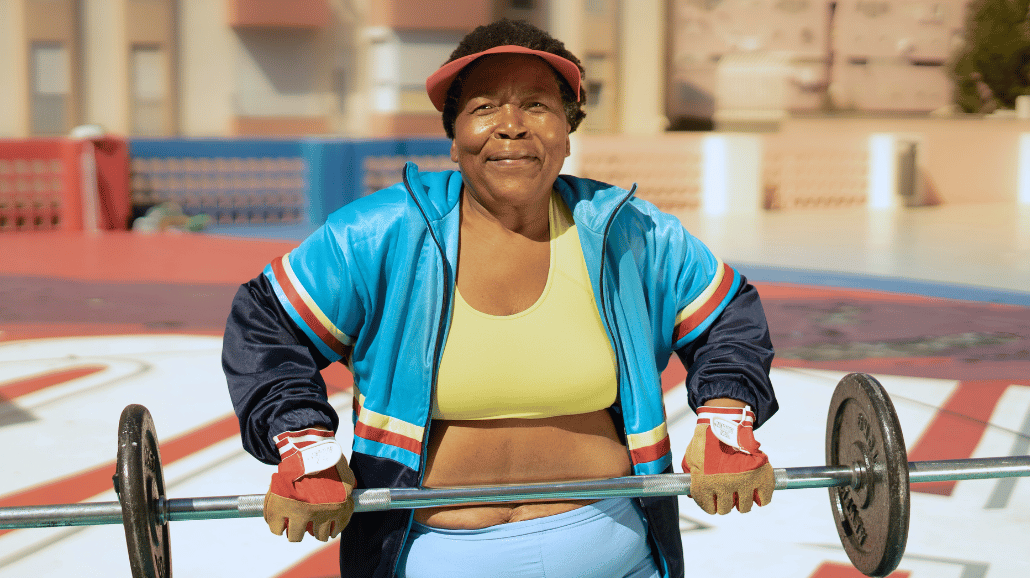
Reality: Not all seniors are in poor health. Many older adults live active, fulfilling lives well into their 80s and 90s. Seniors today are walking 5Ks, practicing yoga, volunteering, traveling, and more. Advances in healthcare, greater awareness of nutrition and fitness, and increased access to preventative care have contributed to healthier aging.
Of course, health needs change with age. And many seniors will still face chronic conditions and limitations. However, growing older doesn’t automatically mean becoming weak or dependent. It means adapting and continuing to thrive.
Stereotype #3: Older Adults Are Set in Their Ways
Reality: Seniors are often more adaptable than we give them credit for. Many are open to new ideas, new hobbies, and even major life changes. Seniors are traveling in retirement, starting new relationships, and switching careers later in life.
Older adults bring a wealth of experience and wisdom to the table. Their ability to adapt and thrive, especially after loss or major transitions, is a testament to their resilience.
Stereotype #4: Seniors Are Lonely and Socially Isolated
Reality: While some seniors do face social isolation, many are actively involved in their communities, faith groups, volunteer organizations, and families. In fact, older adults are one of the most civically engaged age groups in the United States.
Encouraging intergenerational connection, community programs, and family involvement can help break down this stereotype and ensure no senior feels left behind.
Stereotype #5: Seniors Aren’t Interested in Learning or Growing
Reality: Lifelong learning is a huge part of healthy aging. Many older adults take classes, attend workshops, or pursue creative outlets like painting, music, or writing. Programs like Osher Lifelong Learning Institutes and community centers across the country offer seniors opportunities to expand their horizons and challenge themselves intellectually.
Curiosity doesn’t fade with age — and many seniors find joy and fulfillment in continuing to grow.
Stereotype #6: Older People Don’t Have Much to Offer Younger Generations
Reality: Seniors offer invaluable guidance, perspective, and emotional support. Grandparents, older mentors, and seasoned professionals often serve as pillars in their families and communities.
Younger people can learn a great deal from their elders — not just about history or tradition, but about resilience, patience, and the long game of life.
Stereotype #7: Seniors Are All the Same
Reality: Aging is not a one-size-fits-all experience. Older adults are as diverse as any other age group — in terms of health, lifestyle, income, culture, values, and interests. One person in their 80s might be hiking weekly, while another may need full-time care.
There’s no single way to age. That’s what makes the senior population so rich and varied.
Ageism in the Workplace
Age discrimination in the workplace remains one of the most common forms of ageism. Older workers are sometimes unfairly viewed as less adaptable, less productive, or resistant to change.
In reality, older employees often bring valuable leadership skills, emotional intelligence, reliability, and years of professional experience. Many companies benefit from multigenerational teams that combine fresh perspectives with institutional knowledge and mentorship.
As people continue working later in life, challenging workplace stereotypes about aging becomes increasingly important.
Ageism in Healthcare
Healthcare ageism can also negatively affect older adults. Some seniors report feeling dismissed when discussing symptoms, pain, or mental health concerns with medical professionals. In some cases, serious health conditions may mistakenly be viewed as a “normal” part of aging.
Older adults deserve individualized care, respect, and open communication about their health concerns. Challenging ageism in healthcare can help improve outcomes, encourage preventative care, and support healthier aging overall.
How Ageism Affects Older Adults
Negative stereotypes about aging don’t just affect how society treats seniors — they can also shape how older adults view themselves. Internalized ageism may lead seniors to withdraw socially, avoid trying new activities, or feel less confident in their abilities.
Research suggests that positive attitudes about aging may contribute to better mental health, stronger social connections, and even healthier lifestyles. This is why promoting empowering and realistic views of aging matters so much.
Why Intergenerational Relationships Matter
Building relationships across generations can help reduce stereotypes about seniors and create stronger communities. Younger people benefit from the wisdom and perspective of older adults, while seniors often gain renewed connection, purpose, and engagement through intergenerational interaction.
Whether through volunteering, mentorship, caregiving, or simply spending time together as families, these relationships help challenge misconceptions about aging and foster empathy across age groups.
The Truth About Aging
Aging isn’t something to fear, and it’s certainly not something to mock or dismiss. It’s a journey that comes with new opportunities, deeper relationships, and often greater clarity about what really matters in life.
But when society clings to stereotypes, it limits how we view and value older adults. It also shapes how younger generations think about their own future.
How to Challenge Ageism in Everyday Life
- Be mindful of your language. Avoid phrases like “you’re too old for that” or “you look good for your age.”
- Include seniors in conversations. Whether it’s at work, home, or in community planning, make sure older voices are heard.
- Call out ageist assumptions. When you hear jokes or comments that reinforce stereotypes, gently correct them.
- Celebrate aging. Highlight the accomplishments, stories, and wisdom of older adults in your life and community.
- Learn from older generations. Ask questions, listen deeply, and build intergenerational relationships.
Frequently Asked Questions About Ageism
- What is ageism? Ageism refers to stereotypes, prejudice, or discrimination based on a person’s age. It most commonly affects older adults and can appear in workplaces, healthcare settings, media portrayals, and everyday conversations.
- What are examples of ageism? Examples of ageism include assuming seniors can’t learn technology, overlooking older workers for promotions, making jokes about aging, or dismissing health concerns as “normal aging.”
- Why is ageism harmful? Ageism can negatively affect mental health, self-esteem, healthcare experiences, employment opportunities, and social inclusion for older adults.
- How can we stop ageism? Challenging stereotypes about aging, encouraging intergenerational relationships, using respectful language, and promoting positive portrayals of older adults can all help reduce ageism.
Final Thoughts
The truth is, aging is not something to fear or pity. It’s something to understand, honor, and embrace. By challenging the stereotypes of aging, we open the door to more respectful, accurate, and empowering conversations about what it means to grow older.
At Caring Senior Service, we believe every senior deserves to age with dignity, independence, and purpose. Whether you’re supporting an aging loved one or simply reshaping your own perceptions, let’s replace stereotypes with empathy and awareness.