
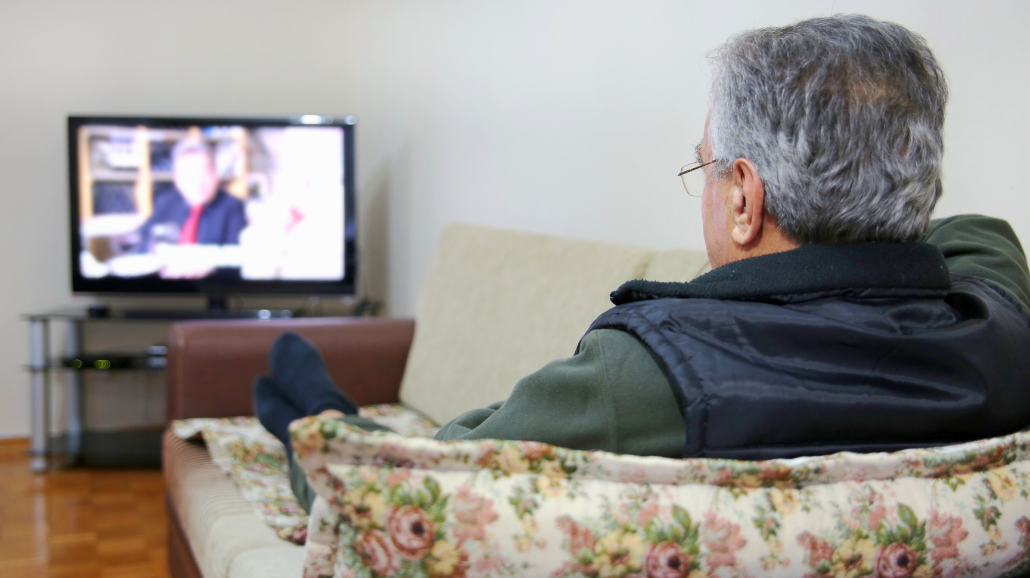
Television can be a great source of entertainment, relaxation, and connection to the outside world, especially for seniors. But like many sedentary activities, too much TV can have unintended consequences for physical, mental, and emotional health.
Prolonged TV watching is often linked to lower physical activity, higher risk of chronic disease, and even cognitive decline. These risks are especially important to understand for seniors who may already be managing age-related health concerns.
Explore the potential effects of too much television on seniors’ health and get practical tips to balance screen time with other activities.
Physical Health Risks of Excessive TV
Discover how too much TV can impact a senior’s physical health.
1. Sedentary Lifestyle & Cardiovascular Health
Prolonged sitting, which is common during extended TV watching, has been linked to cardiovascular disease. According to the American Heart Association, sedentary behavior is associated with higher risks of heart disease, stroke, and type 2 diabetes, even in adults who meet daily exercise recommendations.
When sitting for long periods, the body’s use of lipoprotein lipase, an enzyme that helps break down fats in the blood, drops significantly. This reduces the body’s ability to process fats and sugars, contributing to higher cholesterol and blood sugar levels.
Key takeaway: Even a daily walk or short workout may not fully offset the risks of 6–8 hours of sitting. Regular movement breaks are essential.
2. Obesity & Metabolic Health
The more time someone spends sitting and snacking during TV viewing, the greater the risk for weight gain. Adults who spent more than 4 hours a day watching TV had a significantly higher risk of obesity and metabolic syndrome compared to those who watched less than 1 hour.
For seniors, maintaining a healthy weight helps reduce stress on joints, manage chronic conditions, and support mobility.
3. Bone & Muscle Health
Extended sitting can also weaken muscles and bones. Without regular weight-bearing activity, seniors may experience muscle atrophy and decreased bone density, increasing the risk of osteoporosis and falls. Light resistance exercises or standing activities during TV breaks can counteract these effects.
Cognitive & Emotional Effects of Excessive TV
In addition to physical effects, watching too much TV can negatively impact a senior’s mental health and cognitive state.
1. Cognitive Decline
Watching TV is largely a passive activity. Unlike reading, puzzles, or conversation, TV viewing does not challenge memory or reasoning skills. Excessive television viewing is associated with a higher risk of dementia.
Encouraging activities that stimulate the brain, such as games, learning new skills, or social interaction, can help protect cognitive health.
2. Isolation & Mental Health
Seniors who watch a lot of television may also spend less time in social interactions. Prolonged isolation can increase the risk of depression and anxiety. Social engagement is closely tied to mental well-being and even longevity. So, it’s important that seniors balance watching TV with socially engaging activities.
As a family caregiver, you can check in regularly with older loved ones and encourage opportunities for connection, whether through visits, calls, community programs, or caregiving support.
3. Lower Life Satisfaction
Excessive TV time can also impact overall life satisfaction. When TV becomes a primary way of passing time, it can crowd out more meaningful experiences.
Older adults who spent excessive time watching TV reported lower life satisfaction and reduced feelings of purpose compared to peers engaged in hobbies, volunteering, or social activities.
For seniors, life satisfaction is closely tied to:
- Purposeful activity (volunteering, learning, caregiving, creative pursuits)
- Social engagement (friends, family, community connections)
- Physical well-being (mobility, independence, energy)
Healthy TV Habits for Seniors
Television doesn’t have to be eliminated. However, it’s about balance. Here are strategies to help reduce the risks associated with prolonged TV viewing:
- Incorporate movement into TV time. Walk in place, stretch, or use light hand weights during shows. Stand and move during commercials.
- Mix TV with mentally stimulating activities. Encourage reading, board games, hobbies, or group activities to keep the mind engaged.
- Limit screen time. Aim for 1–3 hours of TV daily, balancing it with physical and social activities. Avoid long binge-watching sessions.
- Use reminders. Fitness trackers or smartwatches can prompt movement breaks every 30–60 minutes.
- Encourage social viewing. Watching television with friends, family, or at senior centers can turn a sedentary activity into a social one.
- Explore new activities. Volunteer work, book clubs, walking groups, or community classes can help replace excessive TV time.
Supporting Seniors in Staying Active
Reducing TV time is easier when seniors have support and engaging alternatives. Family members, friends, and caregivers can help by:
- Providing companionship to reduce isolation and encourage active pastimes
- Offering transportation to community events, exercise programs, or senior centers
- Helping set up safe home exercise areas for stretching, balance training, or light workouts
- Encouraging participation in meaningful activities like gardening, music, or volunteering
The Bottom Line
Television isn’t inherently harmful. However, too much TV can increase the risk of serious health issues for anyone, but especially for seniors. Balancing TV time with regular movement, cognitive activities, and social interaction supports better physical, mental, and emotional health.
If your loved one is struggling with isolation, a professional caregiver can provide both companionship and support in staying active. We can help engage your loved one in meaningful activities so they don’t spend too much time with their favorite programming. Reach out to your local office to learn about our compassionate, comprehensive care to help seniors live healthy, fulfilling lives at home.