
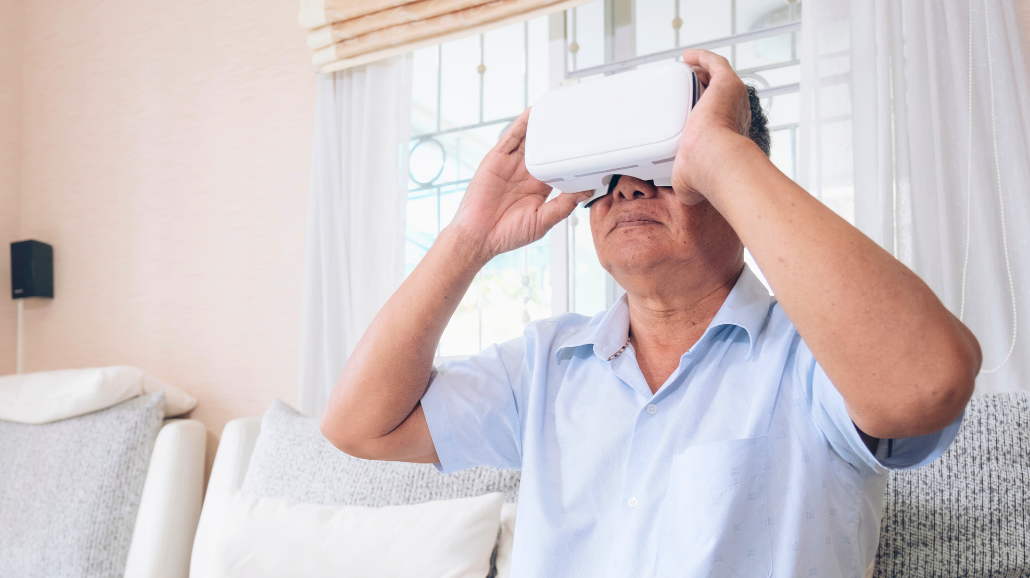
Many seniors are hesitant to adopt new technology, often assuming it’s too complex or designed with younger users in mind. But innovations like virtual reality (VR) are challenging that assumption, offering powerful, practical benefits for older adults.
Virtual reality immerses users in a digitally created world that feels real. With the help of a headset and headphones, users can explore new places, interact with simulated environments, or even play therapeutic games from the comfort of home. For seniors, this technology opens new doors to connection, health, and engagement.
Let’s explore how VR is transforming the aging experience in surprising and life-enhancing ways.
Benefits of VR for Older Adults
1. Reducing Chronic Pain & Discomfort
Pain management is one of the most promising applications of VR in healthcare. Seniors are among those benefiting the most. By immersing users in calming, visually engaging environments (like a beach, forest, or mountaintop), VR helps redirect the brain’s attention away from physical pain.
Immersive VR experiences significantly reduced pain intensity in older adults with chronic pain conditions like arthritis and neuropathy. While not a replacement for medical treatment, VR can serve as a valuable complementary therapy, especially for those trying to avoid opioids or long-term medication use.
2. Improving Mood & Reducing Anxiety
For senior loved ones who experience loneliness, anxiety, or depression (particularly those with limited mobility), VR offers an escape from the confines of home. Users can take a walk through a bustling city, meditate near a waterfall, or watch calming nature scenes in real time.
Research has shown that virtual reality experiences can lower anxiety levels and boost mood. Many senior care providers now use VR headsets during therapy or activity sessions to support emotional wellness and reduce feelings of isolation.
3. Stimulating Memory & Supporting Dementia Care
Memory care facilities and care agencies use VR as a therapeutic tool for seniors with Alzheimer’s and other forms of dementia. Through reminiscence therapy, users can “visit” meaningful places from their past, such as the city where they grew up, a childhood school, or famous landmarks they once visited.
Research shows these experiences may help trigger memories, stimulate cognitive function, and provide emotional comfort. Programs like Rendever have developed tailored VR platforms for older adults, including options for shared group experiences that promote social interaction and memory recall.
RELATED CONTENT: Can a Virtual Bike Ride Help with Dementia?
4. Encouraging Physical Activity Through Gamified Therapy
Seniors recovering from surgery, stroke, or injury often need physical therapy. However, getting motivated can be difficult, but this is where technology can provide a major benefit for seniors. VR can make rehab more enjoyable by turning repetitive exercises into interactive games.
Platforms like XRHealth and Neuro Rehab VR offer guided sessions that improve balance, strength, and coordination. Users can play virtual tennis, catch butterflies, or dance to music while performing movements that support recovery. These programs are increasingly used by rehab centers and at-home therapists to make therapy more engaging and effective.
5. Exploring the World Without Leaving Home
One of the simplest but most joyful benefits of VR is its ability to simulate travel. Seniors can explore the streets of Paris, take a safari through Africa, or visit the Great Wall of China without the physical demands or costs of international travel.
With the help of apps like Wander or National Geographic Explore VR, users can safely travel the world, reignite their curiosity, and experience new cultures. For older adults who once loved to travel but are no longer able, this virtual escape can restore a sense of freedom and wonder.
RELATED CONTENT: Virtual Reality Vacations for Seniors
6. Fostering Social Connection
Loneliness affects millions of older adults, especially those who live alone or have limited social circles. Some VR platforms offer social features that allow users to connect with others in real time. Through shared virtual tours, group games, and collaborative art experiences, VR can help seniors feel less isolated and more connected to others.
Programs like Mynd Immersive and RendeverLive host live-streamed events, including concerts, exercise classes, and trivia games. All events are specifically designed for older adults. These experiences not only entertain but also build community.
Choosing the Right VR Device for Seniors
Modern VR systems are more user-friendly than ever. Some recommended options include:
- Meta Quest 2: Standalone headset with wireless freedom, suitable for beginners and widely supported.
- MyndVR: A VR platform designed specifically for older adults, often used in senior living communities and compatible with various headsets.
- Rendever: Tailored for group use in care settings, with a focus on reminiscence therapy and social engagement.
Caregivers or family members may need to assist with setup. However, many platforms offer tutorials and support resources to ease the learning curve.
Safety & Accessibility Considerations
While VR can be enriching, it’s important to consider a few safety tips:
- Ensure your loved one is seated or in a stable environment to avoid falls or disorientation.
- Use the headset for short sessions (10–20 minutes) to prevent eye strain or motion sickness.
- Start with simple apps and experiences before introducing more complex games or features.
Cost can be a barrier to VR. Some care communities offer shared devices, and some healthcare providers may even cover VR-based therapy under wellness programs.
While VR offers exciting opportunities, accessibility matters. Seniors with vision or hearing challenges may benefit from adjustable font sizes, brightness settings, or built-in audio controls.
Bringing the Future to Today’s Seniors
Virtual reality is no longer just a novelty. It’s a valuable tool that enhances the lives of seniors in real, measurable ways. From easing pain to creating joyful experiences, VR helps older adults stay connected, engaged, and empowered.
At Caring Senior Service, we love seeing how technology continues to bring fresh innovations to senior care. Tools like VR remind us that aging can still be full of adventure, connection, and discovery. And we’re excited to explore what’s next!
Whether you’re a family member, caregiver, or senior yourself, exploring virtual reality could open up new horizons. It’s not just about escaping reality; it’s about enriching it.