
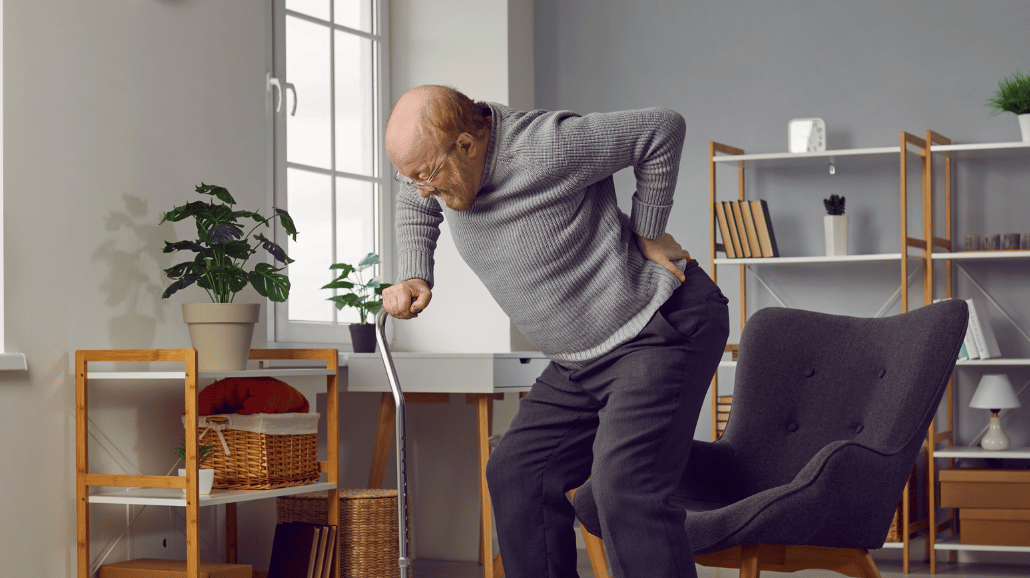
Back pain is one of the most common health issues affecting older adults. Whether caused by arthritis, osteoporosis, spinal stenosis, degenerative disc disease, or age-related wear and tear, back pain in older adults can significantly impact mobility, comfort, and quality of life. For family caregivers, understanding how to provide effective senior back pain care is essential to keeping aging loved ones safe, active, and supported.
This guide highlights practical strategies for caring for seniors with back pain — from posture and home modifications to mobility, sleep, lifestyle, and pain management.
Understanding the Challenges of Senior Back Problems
Seniors with chronic back pain often face a combination of physical and emotional challenges. Common symptoms include:
- Chronic pain and stiffness
- Limited range of motion
- Difficulty sitting or standing for long periods
- Reduced balance or stability
- Increased fall risk
The physical limitations associated with senior back problems can also lead to emotional strain. Many older adults experience frustration, anxiety, irritability, or even depression as chronic pain limits their independence.
Recognizing these challenges helps caregivers provide both physical assistance and meaningful emotional support.
1. Encourage Proper Posture
Posture plays a central role in managing back pain and even providing pain relief in seniors. Poor posture increases strain on the spine, while proper alignment helps reduce discomfort throughout the day.
Posture Tips for Seniors
- Teach Proper Sitting Techniques: Prompt seniors to sit with their back straight, shoulders relaxed, and feet flat on the floor. Avoid chairs that cause slouching.
- Use Supportive Chairs: Choose ergonomic chairs with firm cushions and lumbar support. A small pillow or rolled towel placed behind the lower back can provide additional stability.
- Promote Awareness: Gently remind seniors to adjust their posture when standing, sitting, or walking. Small changes throughout the day contribute to better spine health.
2. Create a Back-Friendly Home Environment
A safe and comfortable home environment reduces unnecessary bending, lifting, or twisting. These movements can worsen pain. The following simple back-friendly home modifications make daily life easier for aging adults:
Key Home Adjustments for Seniors with Back Pain
- Replace low or overly soft furniture with firm chairs and higher beds that are easier to get into and out of.
- Install grab bars in bathrooms, bedrooms, and hallways to support balance and reduce fall risk.
- Keep frequently used items within reach to avoid bending or stretching.
- Remove tripping hazards such as loose rugs, cords, and clutter.
A safer home supports senior mobility and back pain management by minimizing strain.
3. Promote Safe Mobility & Physical Activity
Movement is essential for maintaining strength, flexibility, and independence, but seniors with back pain must do so safely. Here are tips to stay active while managing back pain in seniors:
- Use Mobility Aids Wisely: Walkers, canes, and rollators can reduce pressure on the spine and improve stability. A physical therapist can help ensure the correct fit and teach proper use of these mobility aids for seniors.
- Engage in Low-Impact Exercise: Low-impact exercise can relieve stiffness and strengthen core muscles that support the spine. Options include walking, swimming, water aerobics, gentle stretching, yoga, and tai chi.
- Consult with a Doctor: Always consult a physician or physical therapist before beginning an exercise routine. Proper movement can make a major difference in how seniors manage pain.
- Choose Supportive Footwear: Supportive, non-slip shoes improve balance and reduce fall risk. Poor footwear can worsen back alignment and increase discomfort. Check out our list of the best footwear for seniors.
RELATED CONTENT: Mobility and Medical Equipment for Seniors
4. Manage Pain Effectively
Proper care includes consistent and proactive pain management. This is key to helping seniors with back pain stay comfortable and engaged in daily activities.
Pain Management Methods for Older Adults
- Hot & Cold Therapy: Heat relaxes tight muscles, while ice reduces swelling and inflammation.
- Medications: Over-the-counter medications like acetaminophen or ibuprofen may help but should be used only under a healthcare provider’s supervision.
- Massage Therapy: Gentle massage can ease tension, improve circulation, and provide relaxation.
- Physical Therapy: A physical therapist can create personalized strengthening exercises to improve posture, mobility, and long-term pain control.
Some seniors may benefit from treatments such as chiropractic care or supervised stretching — but always consult a healthcare provider first.
5. Promote Better Sleep Habits
Proper sleep positioning and supportive bedding are essential for reducing back pain.
Tips for Improving Sleep for Seniors with Back Pain
- Choose a medium-firm mattress for spine support.
- Place a pillow under the knees when lying on the back or between the knees when lying on the side.
- Consider an adjustable bed frame to help seniors find a comfortable position.
Poor sleep weakens pain tolerance, so improving nighttime comfort is a key part of senior back pain care.
RELATED CONTENT: 6 Reasons Seniors Don’t Sleep Well at Night
6. Support a Healthy Lifestyle
Daily habits can directly affect pain levels. Encourage seniors to adopt lifestyle changes that support spine health:
Healthy Habits That Reduce Back Pain
- Balanced Diet: Calcium, vitamin D, and omega-3 fatty acids support bone and muscle health.
- Weight Management: Maintaining a healthy weight reduces pressure on the spine.
- Hydration: Adequate water intake keeps muscles flexible and reduces stiffness.
- Stress Reduction: Stress can intensify chronic pain. Encourage deep breathing, meditation, or tai chi as gentle stress-relief strategies.
7. Encourage Social Engagement
Chronic conditions, including back pain, often discourage seniors from participating in social activities, which can lead to isolation. Caregivers and family members play an important role in helping older adults stay connected.
Ways to Support Social Well-Being
- Choose accessible venues with comfortable seating and smooth walking surfaces.
- Encourage participation in senior center activities, church groups, hobby clubs, or support groups.
- Use video calls or online communities to help seniors maintain relationships when mobility is limited.
Managing pain effectively empowers seniors to stay active and emotionally healthy.
When to Seek Professional Help
Some symptoms indicate more serious medical issues. Seek immediate evaluation if seniors experience:
- Sudden or severe pain
- Weakness, numbness, or tingling in the legs
- Difficulty walking or standing
- Loss of bowel or bladder control
A physician may recommend imaging, physical therapy, pain specialists, or surgical intervention depending on the diagnosis.
Final Thoughts: Professional Care Makes a Difference
For many families, caring for seniors with back pain can feel overwhelming, especially when chronic discomfort affects mobility and independence. Professional caregivers can provide:
- Assistance with bathing, dressing, and daily activities
- Guidance on safe mobility and proper use of assistive devices
- Support with stretching or light exercise recommended by therapists
- Emotional companionship to help seniors cope with chronic pain
At Caring Senior Service, our team is trained to support seniors with mobility challenges and chronic pain conditions. We help older adults stay as comfortable, active, and independent as possible. Contact your local Caring team to learn how we can support your loved one’s needs.