
Beginner-Friendly Tech Tools Every Family Caregiver Should Know About
Family caregiving often means balancing medications, meals, appointments, safety concerns, and emotional support — sometimes all at once. Fortunately, today’s caregiver technology can help make those responsibilities more manageable.
The best part? Many modern tech tools are specifically designed to be beginner-friendly. You don’t need to be especially “tech-savvy” to use devices that improve communication, reduce stress, and provide peace of mind.
From smart home devices to fall detection systems, the right technology can help family caregivers feel more supported while helping aging loved ones remain safe and independent at home.
Why Technology Matters for Family Caregivers
Family caregivers are often pulled in multiple directions. Many are balancing careers, parenting responsibilities, and caregiving duties at the same time. Technology for seniors living at home can help reduce some of that pressure.
Today’s caregiver technology can help families:
- Monitor safety remotely
- Reduce caregiving stress
- Improve communication
- Prevent emergencies
- Support aging in place
- Save time on daily caregiving tasks
Whether you provide hands-on care every day or support a loved one from another city, simple technology tools can make caregiving feel less overwhelming.
Voice Assistants for Seniors Can Reduce Daily Caregiving Tasks
Voice assistants for seniors, such as Amazon Alexa or Google Nest, can help caregivers manage daily routines more efficiently.
How They Help Family Caregivers
Caregivers can use voice assistants to:
- Set medication reminders
- Create appointment alerts
- Make hands-free calls
- Control lights remotely
- Play calming music or audiobooks
- Check weather or emergency updates
For family caregivers, these devices can reduce the number of reminder calls or repeated daily check-ins. They also provide reassurance that loved ones have support throughout the day — even when caregivers cannot be physically present.
Voice assistants are especially helpful for caregivers supporting seniors with mobility limitations, arthritis, or mild memory loss.
RELATED CONTENT: How Alexa Can Help Seniors with Dementia
Smart Home Technology Improves Peace of Mind
One of the biggest benefits of smart home technology for seniors is the peace of mind it provides.
Many smart home devices for elderly parents are designed to improve safety while allowing caregivers to monitor concerns remotely.
Smart Lights & Motion Sensors
Motion-activated lights automatically turn on when movement is detected. This can help prevent nighttime falls.
For caregivers, this means:
- Less worry about nighttime accidents
- Improved safety without constant supervision
- Greater confidence when seniors live alone
Smart Plugs & Smart Thermostats
Smart plugs allow caregivers to remotely control lamps or appliances through smartphone apps. Smart thermostats can help ensure the home remains at a safe temperature during extreme weather.
These smart devices for seniors are especially useful for long-distance caregivers who cannot stop by daily.
Video Doorbells & Home Monitoring Devices Help Caregivers Check In Remotely
Video doorbells and home monitoring devices are becoming increasingly popular technology tools for family caregivers.
How They Support Caregivers
These devices allow caregivers to:
- Check who is visiting the home
- Monitor package deliveries
- Help prevent scams targeting seniors
- Confirm loved ones are safely entering or leaving the home
Indoor cameras and door sensors can also provide reassurance for caregivers concerned about wandering, falls, or unusual activity.
For adult children caring for aging parents from afar, these tools can reduce constant worry and improve communication.
Medical Alert Systems & Fall Detection Devices for Seniors
Falls are one of the leading reasons seniors lose independence. For caregivers, fear of a fall can create ongoing stress and anxiety. That’s why fall detection devices for seniors remain some of the most valuable caregiver tools for aging in place.
Medical alert systems allow seniors to quickly call for help during emergencies. Many modern systems now include:
- Automatic fall detection
- GPS tracking
- Mobile emergency response
- Two-way communication
For caregivers, these devices provide peace of mind during:
- Overnight hours
- Workdays
- Times when they cannot be physically present
This type of senior safety technology can help caregivers feel more comfortable allowing loved ones to remain independent longer.
Automatic Pill Dispensers Reduce Medication Stress
Managing medications can quickly become overwhelming for both caregivers and seniors. Automatic pill dispensers for seniors help simplify medication routines by:
- Organizing medications automatically
- Dispensing the correct dose
- Sending reminders when medications are due
- Alerting caregivers if doses are missed
These technology tools for family caregivers can reduce medication-related stress and lower the risk of errors.
For caregivers balancing multiple responsibilities, automated medication support can save time while improving safety.
RELATED CONTENT: 8 Effective Medication Reminder Strategies for Seniors
GPS Trackers & Dementia Safety Technology
Caregivers supporting loved ones with dementia often worry about wandering or getting lost. Wearable GPS trackers for seniors allow caregivers to locate loved ones quickly if they leave home unexpectedly.
Many systems offer:
- Real-time location tracking
- Safe zone alerts
- Emergency communication features
This dementia safety technology can reduce caregiver anxiety while allowing seniors more freedom and mobility.
For caregivers, GPS tracking can provide reassurance during errands, walks, or outings.
Tablets & Easy Technology for Elderly Parents
Simplified tablets and senior-friendly devices can improve communication between seniors and caregivers.
How Tablets Help Caregivers
Senior-friendly tablets often include:
- Larger icons
- Simplified menus
- Video calling capabilities
- Easy-to-read screens
These devices make it easier for family caregivers to:
- Check in through video calls
- Reduce feelings of isolation
- Coordinate telehealth appointments
- Share family photos and updates
For long-distance caregiving situations, tablets can help families stay connected more consistently.
Robot Vacuums & Home Automation Can Reduce Caregiver Workload
Technology that helps seniors stay independent can also lighten the physical and mental workload for caregivers.
Robot Vacuums
Robot vacuums can help reduce housekeeping responsibilities for caregivers who are already balancing busy schedules.
This senior-friendly technology can be especially helpful for:
- Adult children managing caregiving and parenting
- Spouses with physical limitations
- Seniors recovering from illness or surgery
Home Automation Devices
Simple home automation tools can help caregivers remotely manage:
- Lighting
- Appliances
- Security systems
- Temperature controls
These smart home devices for aging in place can help caregivers feel more in control, even when they are away from the home.
Caption Phones & Hearing Assistance Technology Improve Communication
Communication challenges can create frustration for both seniors and caregivers.
Caption Phones
Caption phones display written captions during phone conversations, helping seniors better understand important calls.
For caregivers, this can:
- Reduce communication misunderstandings
- Improve appointment coordination
- Help seniors remain socially connected
Hearing Technology
Bluetooth-enabled hearing devices can also make conversations easier during family visits, phone calls, or telehealth appointments.
Technology for seniors living at home should support both safety and meaningful communication.
RELATED CONTENT: Best Phones for Seniors
Tips for Introducing Technology to Seniors
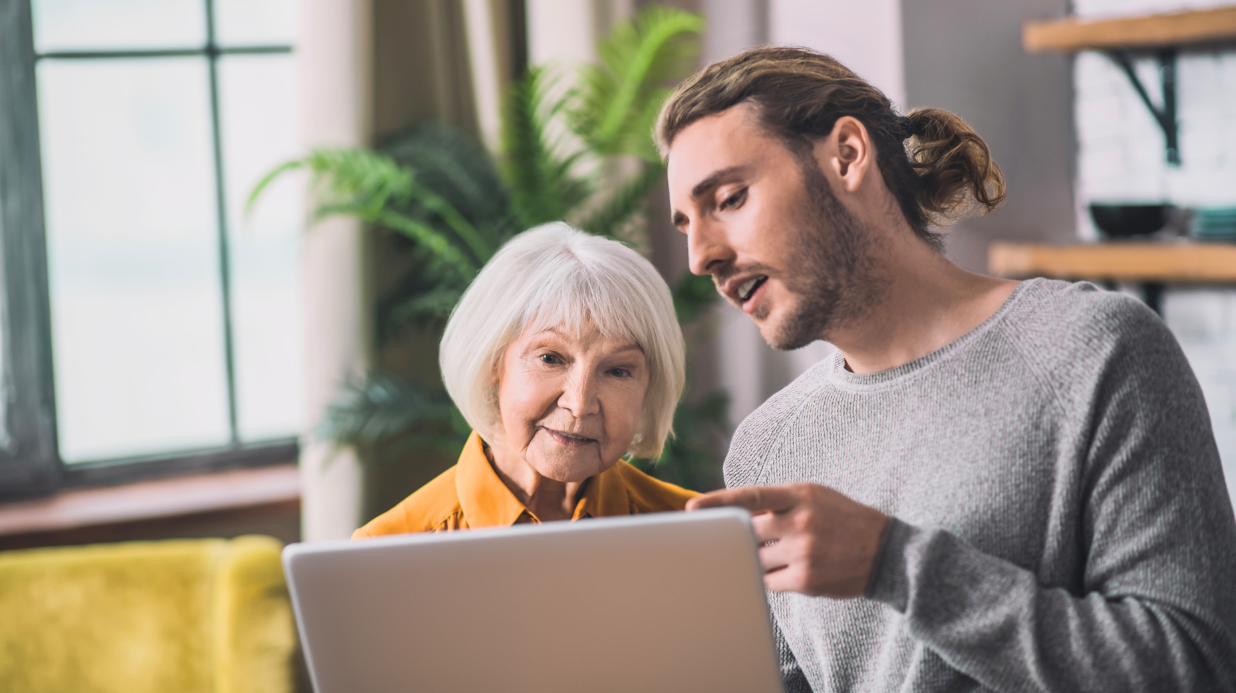
Not every older adult feels comfortable with technology immediately. Family caregivers can help make the transition easier.
- Start Small: Introduce one device at a time instead of overwhelming your loved one with too many changes.
- Focus on Benefits: Explain how the technology can improve safety, simplify routines, or help caregivers stay connected.
- Practice Together: Learning together can reduce fear and build confidence.
- Choose Beginner-Friendly Devices: The best smart technology for older adults is often simple, intuitive, and easy to navigate.
Technology Supports Caregiving — But Doesn’t Replace Human Connection
While smart home technology for seniors can make caregiving easier, technology works best when paired with compassion and human connection.
No aging-in-place technology can replace:
- Quality time together
- Emotional support
- Shared conversations
- Personal care and companionship
Instead, these tools help caregivers reduce stress, improve safety, and feel more confident supporting aging loved ones.
Final Thoughts
Family caregiving can feel emotionally and physically exhausting at times. But beginner-friendly tech tools for caregivers can help reduce stress while supporting aging in place safely.
From voice assistants to smart home devices for elderly parents, today’s technology offers practical ways to improve both senior safety and caregiver peace of mind.
The goal isn’t to rely on complicated gadgets. It’s to use simple technology that helps caregivers feel more supported while helping seniors remain safe, connected, and independent at home.