
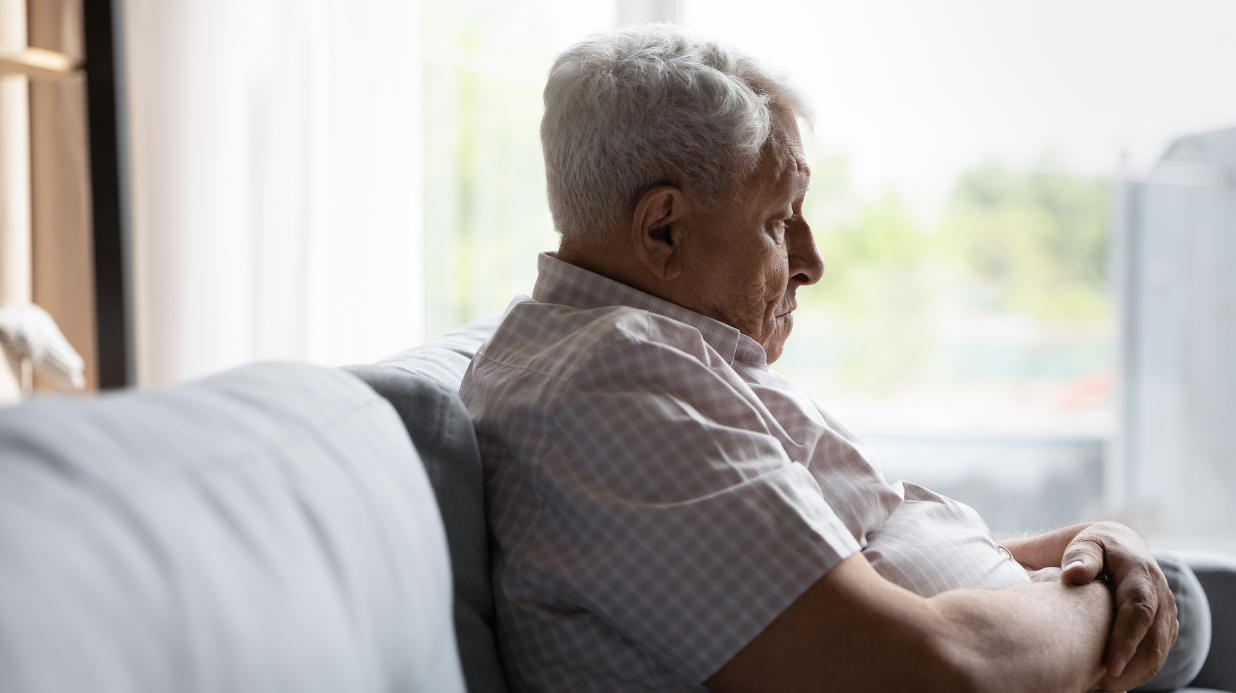
Anxiety in seniors is more common than many families realize. While occasional worry is a normal part of life, persistent anxiety in older adults can interfere with sleep, health, and daily functioning. Unfortunately, anxiety symptoms in elderly individuals are often mistaken for normal aging or dismissed as personality changes.
If you’re wondering how to calm an anxious elderly parent or how to reduce anxiety in elderly loved ones, understanding the causes and warning signs is the first step. With the right support, seniors can manage anxiety and maintain emotional well-being while aging in place.
Signs of Anxiety in Seniors
The signs of anxiety in seniors may look different than anxiety in younger adults. Instead of expressing fear directly, older adults may show physical or behavioral changes.
Common anxiety symptoms in elderly adults include:
- Persistent restlessness or nervousness
- Irritability or mood swings
- Difficulty sleeping
- Muscle tension
- Digestive discomfort
- Avoidance of social activities
- Increased dependence on family members
- Repeated worries about health or safety
Because anxiety in older adults can overlap with medical conditions or medication side effects, it’s important to pay attention to sudden or worsening changes.
Families who notice these symptoms often begin searching for ways to help. Recognizing that senior anxiety is real and treatable can make a meaningful difference.
Causes of Anxiety in Older Adults
Understanding the causes of anxiety in seniors can help families better support their loved ones.
- Health Concerns: Chronic illness, pain, mobility challenges, or cognitive decline can trigger ongoing worry. Seniors may fear falling, hospitalization, or losing independence.
- Loss of Independence: Anxiety in seniors aging in place often stems from changes like giving up driving or needing help with daily tasks. These shifts can create feelings of vulnerability.
- Senior Anxiety & Loneliness: Senior anxiety and loneliness are closely connected. Many older adults live alone, and anxiety in seniors living alone may increase due to social isolation or limited daily interaction.
- Financial Stress: Fixed incomes and medical expenses can lead to persistent financial worries.
- Major Life Changes: Retirement, relocation, or the loss of a spouse can significantly increase emotional stress.
Recognizing these triggers helps families tailor support in meaningful ways.
How to Reduce Anxiety in Elderly Loved Ones
If you’re focused on helping an elderly parent with anxiety, there are practical steps you can take.
1. Encourage Open Conversations
Many seniors hesitate to discuss mental health. Creating a safe space to talk about worries can ease emotional burdens.
If you’re wondering how to calm an anxious elderly parent, start by listening without dismissing their concerns. Simple phrases like, “That sounds stressful. Tell me more,” can provide reassurance.
2. Establish Predictable Routines
Structure reduces uncertainty. Consistent daily routines can significantly reduce anxiety in seniors, especially those aging in place.
Encourage:
- Regular sleep schedules
- Consistent meal times
- Scheduled activities
- Predictable caregiver visits
Routine creates stability, which helps lower stress.
3. Promote Physical Activity
Exercise is one of the most effective natural remedies for anxiety in seniors. Movement releases endorphins and lowers stress hormones.
Activities may include:
- Short daily walks
- Gentle yoga
- Stretching exercises
- Water aerobics
Physical activity also supports balance and fall prevention.
4. Increase Social Interaction
Since senior anxiety and loneliness often go hand in hand, regular social engagement is essential.
Encourage:
- Family visits
- Community center participation
- Faith-based involvement
- Phone or video calls
For seniors living alone, companionship plays a powerful role in reducing anxiety.
RELATED CONTENT: Ways to Help Seniors Socialize & Avoid Isolation
5. Create a Calm Environment
Limiting overstimulation can help reduce anxiety symptoms in elderly individuals.
Consider:
- Reducing constant news exposure
- Playing calming music
- Maintaining a tidy, organized living space
- Ensuring adequate lighting for safety
A peaceful home environment supports emotional stability.
6. Practice Relaxation Techniques
Teaching seniors simple coping skills can help them manage stress independently.
Options include:
- Deep breathing exercises
- Guided meditation
- Prayer or spiritual reflection
- Journaling
Even brief daily relaxation exercises can help calm anxious thoughts.
When to Seek Treatment for Anxiety in Seniors
Occasional worry is normal. However, professional support may be necessary if:
- Anxiety interferes with daily activities or quality of life
- Panic attacks occur
- Sleep disruption becomes severe
- Appetite changes significantly
- Withdrawal from loved ones increases
A physician can evaluate whether symptoms are related to an elderly anxiety disorder, medication side effects, or another medical condition.
Treatment for Anxiety in Seniors
Treatment for anxiety in seniors may include therapy, medication, or a combination of both.
- Therapy: Cognitive behavioral therapy (CBT) is often effective for anxiety in older adults. It helps seniors develop coping strategies and reframe anxious thoughts.
- Medication: In some cases, a doctor may prescribe medication for an elderly anxiety disorder. Because older adults can be more sensitive to side effects, medications should be carefully monitored.
- Lifestyle Support: Regular routines, social interaction, physical activity, and companionship can significantly reduce anxiety in seniors aging in place.
If you’re helping an elderly parent with anxiety, combining medical guidance with daily emotional support often provides the best results.
How Home Care Can Support Seniors with Anxiety
For many families, anxiety is tied to fears about safety, loneliness, or managing daily tasks alone. In these cases, professional support can make a significant difference.
Companion care for seniors with anxiety provides both emotional reassurance and practical assistance. Home care support for anxiety may include:
- Companionship and conversation
- Assistance with daily routines
- Medication reminders
- Encouragement of physical activity
- Monitoring for changes in mood or behavior
Caregivers helping seniors with anxiety provide consistent presence and structure, which can ease fears, especially for those experiencing anxiety in seniors aging in place.
Supporting Emotional Health in Seniors
Anxiety and aging do not have to go hand in hand. By recognizing the signs of anxiety in seniors and taking proactive steps, families can help their loved ones feel safe, heard, and supported.
If you’re focused on helping an elderly parent with anxiety, remember that emotional health is just as important as physical health. Small daily adjustments from routine to companionship can significantly improve well-being.
At Caring Senior Service, we provide emotional support for seniors at home through compassionate companionship and daily assistance. If your loved one is struggling with anxiety in seniors living alone or needs reassurance while aging in place, contact your local Caring team to learn how we can help.