
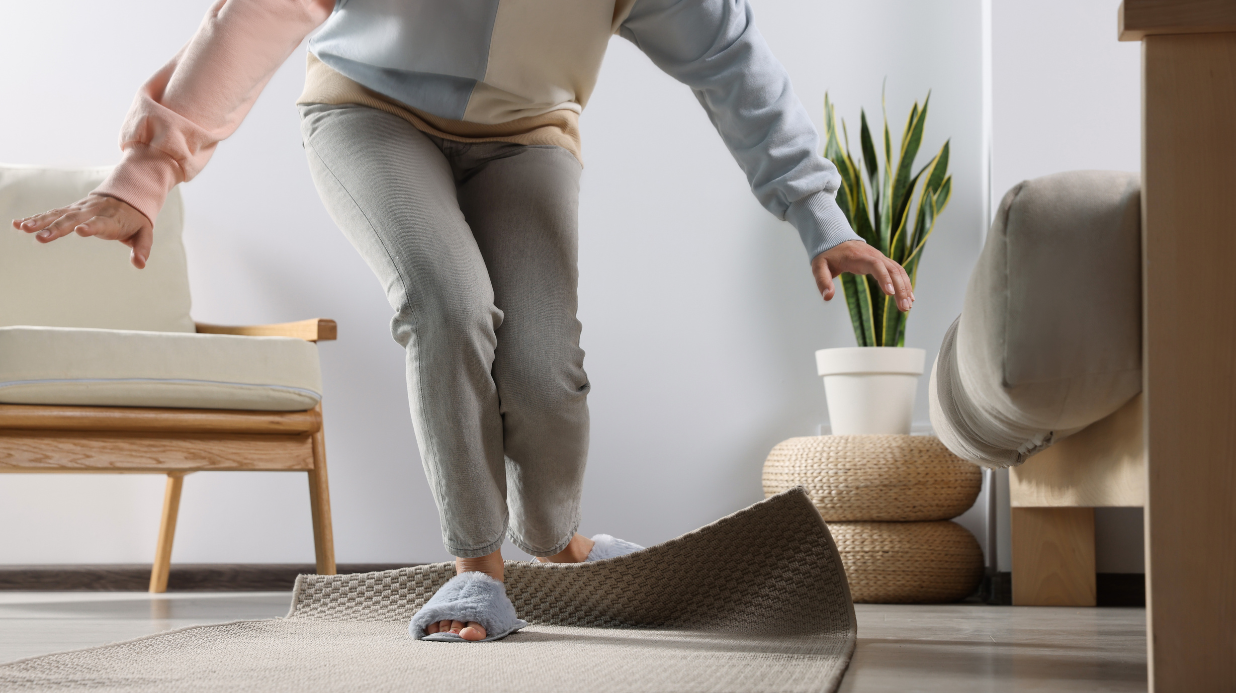
Keeping an aging loved one safe at home often comes down to spotting small hazards before they turn into big problems. Many falls, burns, and other household injuries are preventable with simple adjustments. That’s why family caregivers play such an important role in creating a safe, supportive living environment.
At Caring Senior Service, we believe that safety is the foundation for independence. In fact, we provide every client with a free, 43-step Home Safety Assessment. But you don’t have to wait for professional help—you can start your own walkthrough today. Use this room-by-room safety checklist to check your loved one’s home for common risks and take action.
Why Home Safety Matters for Seniors
As adults age, natural changes in vision, balance, strength, and cognition increase the likelihood of accidents. Falls are the leading cause of injury among seniors, and the CDC reports that 1 in 4 older adults falls each year. Beyond falls, hazards like hot water, faulty wiring, and cluttered walkways can create daily risks.
The good news? Most hazards are fixable. A few simple home modifications—many of which cost less than $20—can make a dramatic difference in safety. For family caregivers, doing a home safety assessment is a proactive way to protect your loved one, prevent falls and injuries, and give yourself peace of mind.
Assessing Your Loved One’s Home
Review the items in our home safety guide below as you review your family member’s living space.
General Tips for Caregivers Before You Begin
- Walk through the home with fresh eyes. Imagine you’re visiting for the first time. Note anything that could trip, block, or confuse someone with limited mobility or vision.
- Involve your loved one. Ask what makes them feel unsafe or what tasks are becoming harder. Sometimes they notice risks we might overlook.
- Start small. Not every fix requires renovations. Many improvements are as simple as moving a rug, adding a lightbulb, or installing a grab bar.
- Think ahead. Even if your loved one is steady today, anticipate future needs. Adding safety measures now can prevent bigger problems later.
Common Areas & Hallways
These are high-traffic zones, which means clutter and poor lighting can easily lead to accidents.
- Clear walkways. Remove cords, loose rugs, and piles of items from pathways. Use cord covers to secure wires against walls.
- Light the way. Stairs and hallways should be well lit, with switches at both ends of staircases. Night lights or motion-sensor lights can make a big difference.
- Check stairs. Handrails should be sturdy and ideally installed on both sides. If vision is an issue, place contrasting tape on stair edges.
- Emergency visibility. Street numbers should be large, clear, and illuminated so emergency responders can find the home quickly.
Caregiver Tip: Try walking through the house at night as your loved one would. Do you notice dark spots? Is it hard to get to the bathroom? This can reveal safety gaps you might miss during the day.
Kitchen
The kitchen is often the heart of the home, but it can also be a major source of fire, burn, and electrical hazards.
- Reduce fire risks. Keep towels, paper products, and plastic items away from the stove. Avoid hanging dish towels on oven handles.
- Ventilate safely. Ensure the range hood or exhaust fan works properly to reduce smoke and odors.
- Keep cords dry. Position appliances so that cords are not near the sink or hot surfaces.
- Add a fire extinguisher. Store one within easy reach, and check that it has been inspected recently. Teach your loved one how to use it.
- Organize smartly. Store frequently used items on lower shelves to reduce climbing or stretching.
Caregiver Tip: If your loved one enjoys cooking but forgets to turn off burners, consider stove knob covers or automatic shut-off devices.
Living Room & Family Spaces
Living areas should be comfortable, but cluttered arrangements and poor lighting can increase fall risk.
- Check rugs & runners. Secure them with non-slip backing or remove them altogether to reduce the risk of falling.
- Test lighting. Dark corners and hallways increase risk. Add lamps or motion-sensor lighting where needed.
- Maintain fireplaces. If your loved one has a wood-burning fireplace, schedule regular chimney cleanings to prevent fire hazards.
- Arrange furniture wisely. Position chairs and tables to create wide, clear pathways. Avoid glass-topped furniture that can be hard to see.
- Manage electrical cords. Keep cords for lamps, TVs, or other electronics tucked safely against walls. Use cord covers or organizers to prevent tripping hazards.
Caregiver Tip: Sit in your loved one’s favorite chair and look around. Can they easily reach the phone, TV remote, or a lamp without leaning dangerously?
Bathroom
The bathroom is one of the most dangerous rooms for seniors because of slippery surfaces and hot water.
- Prevent slips. Install non-skid mats in the tub, shower, and on tile floors. Add textured strips directly on slippery surfaces.
- Add grab bars. Place them near the toilet and inside/outside the tub or shower. Check existing bars for sturdiness to increase home safety for seniors.
- Check water temperature. Set the water heater to no higher than 120°F to prevent scalding.
- Improve lighting. Keep the bathroom itself and the pathway from the bedroom well lit, especially for nighttime use.
- Simplify storage. Use shelves or bins to keep toiletries organized and off the floor.
Caregiver Tip: Test the bathroom by simulating your loved one’s routine. Try stepping in and out of the tub or shower. Do you feel secure? Or do you need to grab something for balance?
Bedroom
Because seniors often wake during the night, bedrooms should be arranged with safety and accessibility in mind.
- Light at arm’s reach. Place a lamp or touch light within easy reach of the bed.
- Avoid heating risks. Use heating pads and electric blankets cautiously. Never leave them on overnight.
- Keep the phone handy. Place a phone, cell phone, or medical alert device near the bed for emergencies.
- Eliminate clutter. Remove piles of books, small tables, or cords near the bed that could create tripping hazards.
- Bed height. Ensure the bed is not too high or too low for your loved one to get in and out safely.
Caregiver Tip: Encourage your loved one to keep water and a flashlight by the bed. This avoids unnecessary wandering at night.
Why These Steps Matter
Safety is more than preventing accidents; it’s about preserving independence and dignity. When seniors feel safe in their homes, they’re more confident in moving around and more likely to stay engaged in daily life. For caregivers, addressing hazards also means less worry and fewer emergency calls.
Free Home Safety Assessments from Caring Senior Service
Conducting your own walkthrough is a great start to help your loved one stay safe, but it’s easy to overlook hidden risks. That’s why Caring Senior Service offers a free Home Safety Assessment for every client. Our trained team reviews each room with a professional eye and provides personalized recommendations to improve safety at no cost to you.
If you’d like help creating a safer home for your loved one, reach out to your local Caring Senior Service office. Together, we can help keep seniors healthy, happy, and home.