
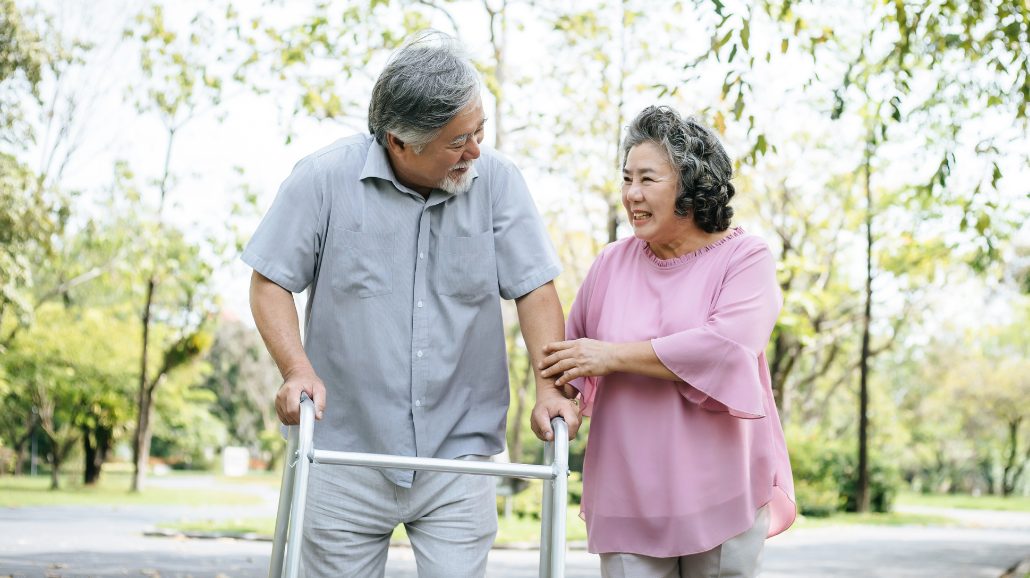
Mobility plays a critical role in helping seniors maintain independence, confidence, and overall quality of life. But as we age, changes in muscle strength, joint flexibility, and balance can make everyday movements more challenging.
In fact, the CDC reports that 1 in 4 seniors fall each year, making mobility support essential for healthy aging.
The good news? By incorporating senior mobility exercises into a daily routine, aging loved ones can help improve strength, balance, and flexibility—reducing the risk of falls and staying active longer.
Below, we’ll explore the best mobility exercises for seniors, plus a simple daily routine and safety tips to help aging loved ones move with confidence.
Why Mobility Exercises Matter for Seniors
Regular movement isn’t just about staying active; it directly impacts safety and independence. Exercises for elderly mobility can:
- Strengthen muscles that support walking and standing
- Improve balance & coordination to prevent falls
- Increase flexibility for easier daily movement
- Boost endurance for longer activity tolerance
Even small improvements in mobility can make a big difference in performing daily tasks like getting out of a chair, climbing stairs, or walking outdoors.
10 Exercises to Improve Mobility in Seniors
A well-rounded routine should include strength, balance, flexibility, and endurance exercises.
1. Chair Squats (Strength)
Stand up from a chair and slowly sit back down. This exercise strengthens the legs and core, making it easier to sit, stand, and walk.
2. Heel Raises (Strength & Balance)
Hold onto a sturdy surface and lift your heels off the ground. This strengthens the calves and improves stability.
3. Wall Push-Ups (Upper Body Strength)
Using a wall for support, perform push-ups to build arm and shoulder strength—important for mobility aids like walkers.
4. Seated Leg Lifts (Core & Legs)
While seated, extend one leg at a time. This helps strengthen the thighs and improve circulation.
5. Single-Leg Stands (Balance)
Stand on one foot for 10–30 seconds while holding onto a support if needed. This improves coordination and reduces fall risk.
6. Heel-to-Toe Walk (Balance)
Walk in a straight line, placing one foot directly in front of the other to improve gait and stability.
7. Seated Hamstring Stretch (Flexibility)
Extend one leg and lean forward slightly to stretch the back of the thigh. This improves range of motion.
8. Shoulder Rolls (Flexibility)
Gently roll your shoulders forward and backward to reduce stiffness and improve posture.
9. Walking (Endurance)
Walking is one of the simplest and most effective ways to improve mobility. Start with 10 minutes and gradually increase the time.
10. Water Aerobics or Swimming (Low-Impact Cardio)
Water supports the body, reducing joint strain while improving strength and endurance.
RELATED CONTENT: Mobility and Medical Equipment for Seniors
A Simple Daily Mobility Routine for Seniors
For those wondering where to start, here’s a quick and effective routine seniors can do at home:
- 5–10 Chair Squats
- 10 Heel Raises
- 30-second Single-Leg Stand (each side)
- 5–10 minutes of walking
- Gentle stretching (hamstrings, shoulders, neck)
This routine can be completed in 10–15 minutes per day and helps build consistency, one of the most important factors in improving mobility.
Exercises for Seniors with Limited Mobility
Not all seniors can safely perform standing exercises, and that’s okay. There are plenty of chair-based mobility exercises that still deliver benefits.
Try These Seated Exercises:
- Seated Marching: Lift knees one at a time to improve circulation and hip strength
- Arm Raises with Light Weights: Build upper body strength
- Ankle Circles: Improve joint mobility and reduce stiffness
- Resistance Band Pulls: Strengthen arms and shoulders safely
These exercises are ideal for seniors recovering from illness, injury, or surgery, or those who spend more time seated.
How Exercise Helps Prevent Falls
Falls are one of the leading causes of injury among older adults, but many are preventable with regular exercise.
While there are many types of exercise, mobility exercises specifically help by:
- Improving reaction time
- Strengthening stabilizing muscles
- Enhancing coordination and posture
- Boosting confidence while walking
Pairing exercise with a safe home environment (like removing tripping hazards and installing grab bars) can significantly reduce fall risk.
Safety Tips for Senior Exercise
Before starting a new routine, it’s important to prioritize safety:
- Start slowly: Gradually increase intensity over time
- Use support: Hold onto a chair, railing, or walker if needed
- Wear proper footwear: Choose non-slip, supportive shoes
- Stay hydrated: Drink water before and after exercise
- Listen to your body: Stop if you feel pain, dizziness, or discomfort
- Consult a professional: Talk to a doctor or physical therapist if unsure where to start
Exercising with a caregiver, friend, or family member can also make activities safer and more enjoyable.
The Role of Caregivers in Supporting Mobility
Maintaining mobility isn’t just about exercise—it’s about having the right support system in place. Family caregivers and professional caregivers can play a key role by:
- Encouraging consistent movement and activity
- Assisting with exercises safely
- Providing mobility support when needed
- Creating a safe home environment
- Offering transportation to therapy or exercise classes
For many families, having extra support can make it easier to help aging loved ones stay active and independent.
RELATED CONTENT: Mobility Aid Etiquette – Supporting Seniors with Dignity
Helping Seniors Stay Active & Independent
Mobility is one of the biggest factors in maintaining independence as we age. The ability to move safely and confidently allows seniors to continue enjoying daily routines, social activities, and time with loved ones.
By incorporating simple exercises for strength, balance, flexibility, and endurance, seniors can improve their mobility and reduce the risk of falls. Even small daily efforts can lead to meaningful improvements over time.
If your loved one needs mobility assistance, professional caregivers can provide personalized support with exercise routines and daily activities—helping them live safely and comfortably at home.
Contact your local Caring today to learn how we can support your loved one’s independence.