
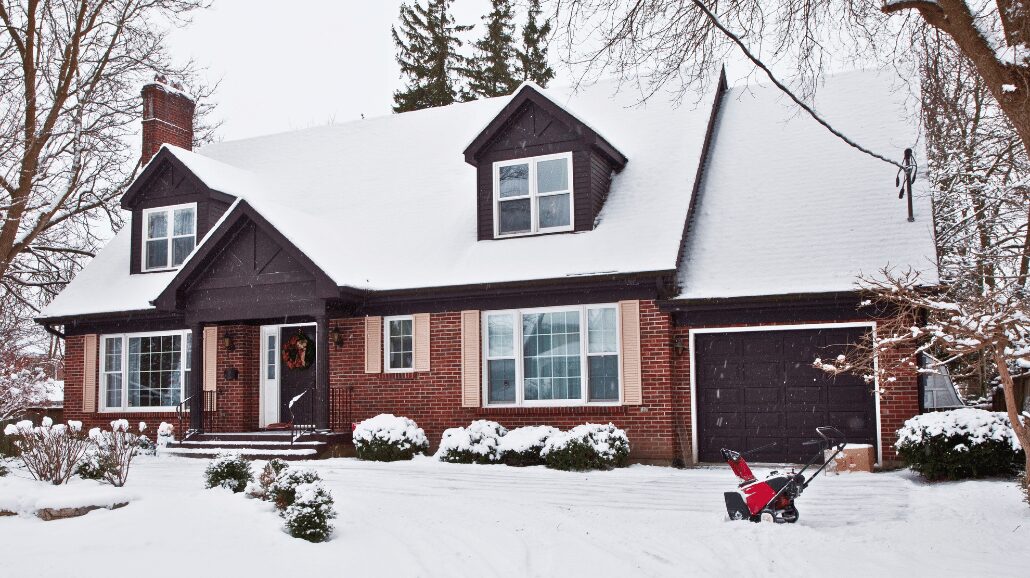
Winter weather can be challenging for older adults, especially when cold temperatures, icy walkways, and sudden storms become part of daily life. Preparing the home early helps ensure your aging loved one stays warm, safe, and comfortable all season long. Below are 10 essential winter home safety tips to help you protect your aging loved one this winter.
1. Make Warm Blankets & Winter Clothes Accessible
As colder weather settles in, ensure warm items, like blankets, winter coats, hats, and scarves, are easy to reach. Many seniors keep these items in closets or storage bins during the summer, which may become difficult to access later. Move winter essentials into the main living areas so your loved one can layer up quickly, especially before the first storm arrives.
2. Check the Chimney, Heater & Safety Detectors
A safe and efficient heating system is critical in winter. Seniors’ homes should be ready to handle extreme weather when it arises.
Winter safety tips for seniors:
- Have fireplaces and wood stoves professionally cleaned to prevent creosote buildup.
- Schedule a furnace inspection, including checking and replacing filters.
- Test carbon monoxide and smoke detectors throughout the home.
- Ensure fire extinguishers are present and up to date.
Katy Packingham, Agency Director at our Galesburg, IL office, notes, “Schedule HVAC checks early. Mid-winter breakdowns are hard on seniors, and hard to get serviced quickly.” She also emphasizes verifying carbon monoxide detectors, especially in homes that use fireplaces or propane heating.
3. Set Up Grocery Delivery or Pickup
Snowy parking lots and icy sidewalks can turn a routine grocery trip into a major fall risk. Set up a grocery delivery or curbside pickup schedule in advance so your loved one never feels pressured to drive in unsafe conditions. According to Katy, “You want this in place before the first snow. It’s one less thing families have to scramble over.”
RELATED CONTENT: Common Winter Hazards for Seniors
4. Schedule Snow Removal Services Early
To prevent seniors from attempting strenuous or risky outdoor chores, arrange for a reliable snow removal plan ahead of time. This may include a neighbor, a paid service, or a family member who can handle:
- Driveway clearing
- Walkway shoveling
- De-icing stairs
- Salting or sanding slippery surfaces
Katy adds, “Don’t wait until winter hits to find someone. Good plow companies book up fast.”
5. Prepare for Emergencies
Power outages, heavy snowfall, and icy roads can isolate seniors quickly. Help your loved one prepare with a winter emergency kit that includes:
- First aid supplies
- Battery-powered flashlight
- Weather radio
- Back-up portable phone charger
- Warm blankets
- Bottled water
- Non-perishable foods
If the home relies on propane tanks, ensure they’re filled well before the season begins. Some seniors in rural areas also place hay bales around the base of the home as insulation against extreme cold.
Caregivers should also have their own preparedness plan. Rachelle Ehlert, Support Specialist at Caring Senior Service HQ, recommends, “Caregivers should keep a winter go-bag with flares, emergency supplies, and contact info for local towing services. And always monitor the weather so you’re prepared before a storm hits.”
6. Insulate the Home to Keep Warmth In
Proper insulation makes a dramatic difference in heating efficiency and comfort.
As part of winter preparation for seniors, consider:
- Installing plastic insulation over drafty windows
- Replacing old weather stripping on doors and windows
- Adding door sweeps
- Using thermal or insulated curtains
- Sealing cracks around window and door frames
- Removing window A/C units for the winter
These simple steps can keep warm air inside, reduce energy bills, and help the home maintain a stable temperature during cold snaps.
7. Check the Water Heater & Protect Pipes
Cold weather puts extra strain on plumbing. Seniors are especially vulnerable to the consequences of burst pipes or a failed water heater.
Katy recommends, “Have the water heater checked, insulate the pipes, and use pre-slit pipe foam or heat tape. Burst pipes are expensive and dangerous in freezing homes.”
Frozen pipes can also leave seniors without hot water, which may increase fall risks if they attempt alternative heating methods.
8. Protect Indoor & Outdoor Plants
Plants can be overlooked as part of winterization, but they often require seasonal adjustments. Indoor plants may dry out faster due to heated indoor air. Outdoor plants may need insulation or relocation indoors.
Plant care can be built into a senior’s Individualized Service Plan (ISP), Katy notes, so caregivers can check soil, water appropriately, and ensure sensitive plants survive winter.
9. Consider a Programmable Thermostat
A programmable thermostat helps maintain a safe home temperature automatically, making it ideal for seniors who may forget to adjust settings throughout the day. These thermostats can:
- Keep the home warmer during active hours
- Lower the heat slightly at night for savings
- Maintain consistent temperatures during cold snaps
This simple upgrade supports comfort year-round and ensures winter home safety for seniors.
10. Address Outdoor Maintenance
Before winter sets in, complete a few important outdoor tasks:
- Clean gutters to prevent ice dams
- Remove dead branches that could fall under the weight of ice
- Install storm windows or storm doors
- Check exterior lighting to ensure walkways are well-lit
Improving visibility and reducing ice buildup helps prevent falls and protects the home during severe storms.
Final Thoughts: Senior Winter Safety
Winterizing a senior’s home can feel overwhelming, but you don’t have to do it alone. Caring Senior Service can support seniors and families with seasonal preparation, vendor referrals, and daily in-home assistance. Our caregivers help ensure seniors stay safe, warm, and supported throughout the winter months.
If your loved one could use extra help this season, contact your local Caring Senior Service office to learn how we can assist.