
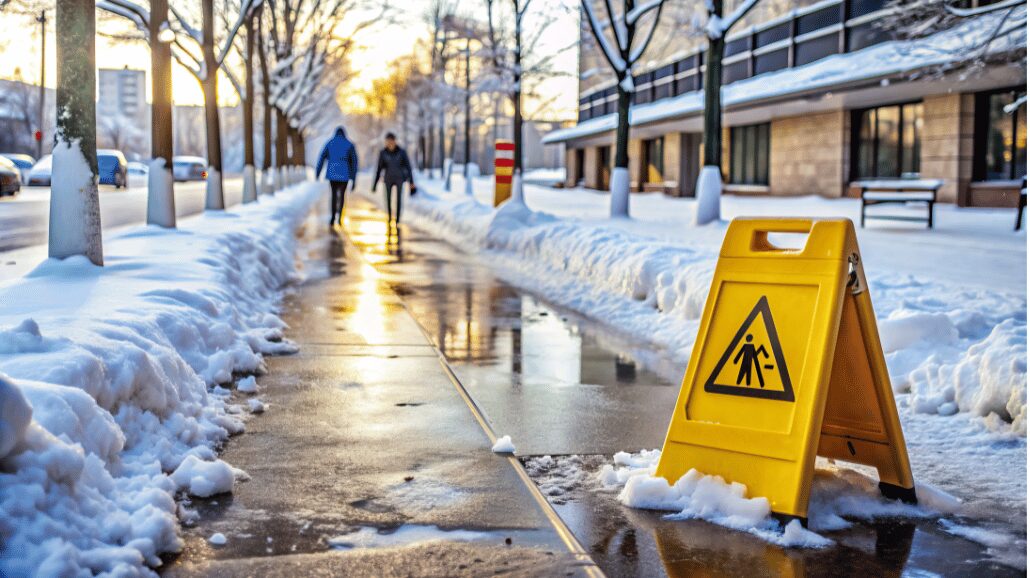
Winter may bring beautiful scenes of snow and holiday cheer, but it also comes with serious winter hazards for seniors. Colder temperatures, icy walkways, and the spread of seasonal illnesses can all contribute to increased winter health risks for older adults. By understanding the top winter dangers for seniors, families can take meaningful steps toward protecting seniors during cold weather.
Here are the most important senior winter safety tips to help keep your aging loved ones safe, warm, and healthy.
Outdoor Winter Hazards
Cold weather conditions and icy surfaces present some of the most significant cold-weather risks for seniors. Outdoor conditions can quickly become dangerous, especially for aging adults with mobility or health challenges.
Hypothermia & Frostbite
Two of the most serious cold-weather risks for seniors are hypothermia in seniors and frostbite in seniors. As adults age, the body becomes less efficient at regulating temperature, making it harder to stay warm.
Seniors often have more difficulty recognizing when they’re too cold, which can be dangerous, too. Health conditions (like thyroid issues, diabetes, and arthritis) and certain medications can also affect body heat retention. These factors put older adults at higher risk of hypothermia and frostbite.
Signs of hypothermia in seniors include:
- Cold, pale, or ashy skin
- Confusion
- Weakness
- Difficulty walking
- Slowed breathing
Signs of frostbite in seniors include:
- White or grayish-yellow skin
- Hard or waxy-feeling skin
- Numbness in fingers, toes, ears, or nose
How to keep seniors safe in winter:
- Dress in warm layers, hats, gloves, and scarves
- Limit time outdoors on extremely cold or windy days
- Stay dry and remove wet clothing right away
- Seek medical help immediately if symptoms appear
Falls on Ice & Snow
Slippery conditions greatly increase fall risk for seniors winter. Icy sidewalks, snow-covered driveways, and reduced daylight make preventing falls in winter for seniors especially important.
Cold-weather safety tips for preventing falls:
- Encourage outings only during daylight hours
- Keep walkways cleared or ask for help clearing them
- Use salt or sand for traction
- Ensure shoes or boots have non-slip soles
- Add an ice-grip attachment to canes for stability
Winter Driving Safety for Seniors
Harsh weather can make roads treacherous. Winter driving safety for seniors is essential, especially for aging adults who still drive regularly.
Tips for safer driving:
- Avoid driving on icy or untreated roads
- Keep a fully charged cell phone in the car
- Carry a winter emergency kit with blankets, snacks, and a flashlight
- Check tire pressure often, as it drops in colder weather
Indoor Winter Hazards for Older Adults
Even inside the home, there are several indoor winter hazards for older adults that families should be aware of. These risks often increase during cold months because of changes in behavior and greater reliance on heating devices.
House Fires
Heating sources like fireplaces, candles, and space heaters add comfort but also raise the risk of accidental fire.
Fire safety reminders:
- Test smoke alarms monthly
- Keep flammable items away from heat sources
- Never leave space heaters or fireplaces unattended
- Turn off heating devices before bed
Carbon Monoxide Poisoning in Seniors
The increased use of fuel-burning appliances can lead to carbon monoxide poisoning in seniors, which is especially dangerous because symptoms can mimic the flu in seniors.
Signs of carbon monoxide poisoning include:
- Headache
- Weakness
- Dizziness
- Nausea
- Confusion
Prevention tips:
- Install and test carbon monoxide detectors near bedrooms
- Ensure proper airflow when using heating devices
- Never use grills or generators indoors
RELATED CONTENT: 10 Tips for Winterizing a Senior’s Home
Winter Illnesses Seniors Should Watch For
Because people stay indoors more during winter, viruses spread more easily. Even mild winter illnesses seniors face, like colds or the flu, can become serious for older adults.
The Flu
The flu is one of the most common winter illnesses seniors experience. Early treatment is important to lower the risk of pneumonia or hospitalization.
Flu symptoms include:
- Cough or sore throat
- Fever, chills, or body aches
- Fatigue
- Headache or chest discomfort
Flu prevention seniors:
- Get an annual flu shot
- Wash hands often
- Avoid crowded indoor spaces
- Wear a mask if recommended
Dehydration in Seniors
Even in winter, dehydration in seniors is surprisingly common. People often feel less thirsty in cold weather, but older adults still need plenty of fluids.
Prevention:
- Encourage 4–5 glasses of water per day
- Offer warm herbal teas
- Include hydrating foods like soups and fruit
Winter Skin Issues
Cold, dry air can lead to winter skin issues that seniors deal with every season, such as itching, cracking, or irritation. (You might know this as the winter itch.)
Prevention:
- Use daily moisturizer, especially after bathing
- Shorten showers and avoid extra-hot water
- Use a humidifier to add moisture to indoor air
Taking Extra Precautions This Winter
The best way to ensure winter safety for aging loved ones is through daily habits and mindful planning. Katy Packingham, Agency Director at Caring Senior Service in Galesburg, IL, notes that many risks can be minimized with small, thoughtful actions.
“We had a client who loved to walk her dog in the winter,” Katy shared. “But her daughter got worried about the icy sidewalks. So, we started calling ahead to let her know if conditions were safe, and made sure she had proper shoes, gloves, and someone to walk with. She got to keep doing what she loved — but safely.”
Whether it’s checking for ice before a walk, making sure medications are taken on schedule, or offering reassurance during cold weather, the Caring team helps families navigate winter safety for seniors with confidence and compassion.
If your loved one needs support this season, Caring Senior Service can help. Contact your local Caring office to learn more about our personalized in-home care services.