
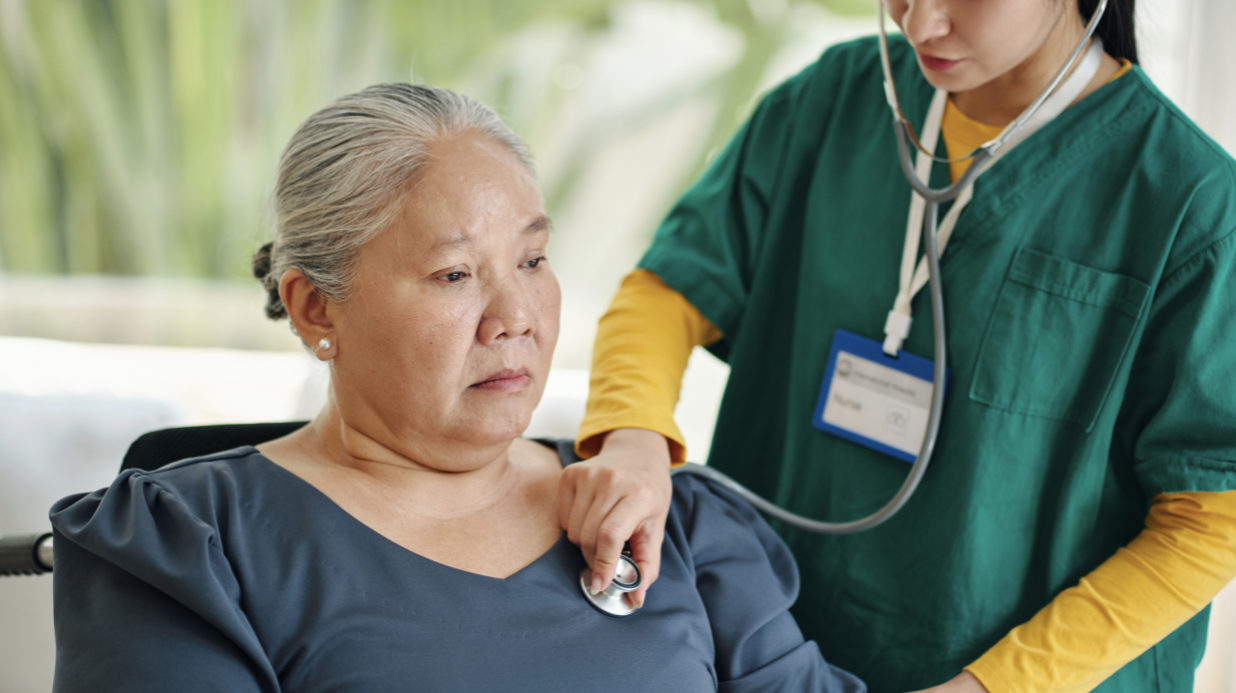
Falls are one of the greatest threats to senior independence. According to the Centers for Disease Control and Prevention (CDC), 1 in 4 adults over age 65 falls each year, and falls are the leading cause of injury-related deaths among older adults. Even when a fall seems “minor,” hidden injuries or underlying health issues may be at play. That’s why medical evaluations are critical after any fall.
Discover essential evaluations doctors perform after an elderly fall. Learn why each one matters for recovery, safety, and preventing future incidents.
Why Seniors Need Immediate Medical Evaluation After a Fall
Unlike younger adults, seniors are more vulnerable to complications from falls because of:
- Fragile bones (osteoporosis increases fracture risk)
- Chronic health conditions like diabetes, heart disease, or neurological disorders
- Medication side effects that impact balance or blood pressure
- Slower healing and recovery times
Even if your loved one seems fine, issues such as internal bleeding, concussions, or fractures may not show symptoms right away. A thorough evaluation ensures that injuries aren’t overlooked and provides insight into what caused the fall in the first place.
What Doctors Check
Below are some of the things healthcare professionals may check during a health evaluation after a dangerous fall.
1. Identifying Factors That Contributed to the Fall
The first step is figuring out why the fall happened. Healthcare providers may ask about the circumstances:
- Was your loved one dizzy before falling?
- Did they trip over something, or did they “just go down”?
- Have there been other recent falls?
Underlying contributors can include:
- Dehydration or malnutrition
- Infections, such as urinary tract infections (UTIs), which often cause confusion in seniors
- Medication side effects (especially blood pressure or sleep medications)
- Neurological conditions like Parkinson’s or dementia
Caregiver tip: Bring a list of all medications, recent health changes, and a description of how the incident occurred. This helps doctors uncover hidden causes.
2. Blood Pressure & Pulse Checks
Doctors often perform an orthostatic blood pressure test, measuring readings when sitting, lying down, and standing. Sudden drops in blood pressure (orthostatic hypotension) can cause dizziness and falls.
- Certain medications, like diuretics or heart medications, can trigger these shifts.
- Irregular pulse readings may also indicate cardiac arrhythmias, which increase fall risk.
Caregiver tip: If your loved one gets lightheaded when standing, share that information. It’s a key clue for doctors.
3. Blood Tests & Lab Work
Blood work provides insight into conditions that may have caused the fall in older adults or worsened its impact:
- Complete blood count (CBC): Detects infections or anemia
- Electrolyte panel: Identifies imbalances in sodium, potassium, or calcium that affect muscle function and cognition
- Vitamin D & bone health markers: Low vitamin D and calcium increase fracture risk
- Blood glucose: Sudden drops in blood sugar may cause fainting or dizziness
Lab work not only helps explain the fall but also guides treatment to prevent another one.
4. Imaging Tests to Detect Injuries
Even if your loved one insists they’re “fine,” imaging may reveal hidden injuries. Doctors may order:
- X-rays: To check for broken bones, especially in the hips, wrists, or ribs
- CT scans or MRIs: To detect head trauma, internal bleeding, or spinal injuries
This is crucial because up to 95% of hip fractures in older adults are caused by falls. Early detection dramatically improves outcomes and may reduce fall-related injury.
5. Vision & Foot Health Checks
Falls are often linked to physical changes in vision and mobility. Doctors may:
- Refer to an eye specialist to test for cataracts, glaucoma, or poor depth perception.
- Evaluate foot health for bunions, neuropathy, or improper footwear that could impact balance.
Caregiver tip: Schedule an eye exam or podiatry check if your loved one hasn’t had them in the past year.
6. Cardiac & Neurological Evaluations
Doctors will also assess heart and brain health, since these systems often play a role in falls:
- Electrocardiogram (ECG): Detects heart rhythm issues
- Neurological tests: Screen for stroke, Parkinson’s disease, or dementia progression
- Balance and gait tests: Help identify muscle weakness or coordination problems
These evaluations ensure that serious, underlying medical conditions aren’t overlooked.
7. Medication Review
Since many prescriptions affect balance, blood pressure, or cognition, doctors will review your loved one’s medications during a physical exam. They may adjust dosages, switch to safer alternatives, or remove unnecessary medications.
Caregiver tip: Keep an up-to-date medication list in your phone or wallet. It’s invaluable during emergency visits.
8. Cognitive & Mental Health Screening
Falls sometimes reveal or accelerate changes in brain function. Doctors may recommend screening for:
- Delirium or confusion (often linked to infection or medication)
- Dementia or memory decline
- Depression or fear of falling, which can cause seniors to limit activity and lose independence
Addressing these issues helps restore confidence and reduces the risk of future falls.
9. Bone Density Testing
If your loved one sustained a fracture or if they’re at high risk, doctors may order a DEXA scan to measure bone density. This test helps determine whether osteoporosis treatment is needed to protect against future fractures.
What Families Should Do After a Fall
Medical evaluations are only part of the recovery process. As a family caregiver, you can play a vital role by:
- Documenting details about the fall for the doctor
- Monitoring your loved one closely for changes in pain, mobility, or mental status
- Following up with specialists (cardiology, neurology, physical therapy, or home safety experts)
- Exploring fall prevention strategies, such as grab bars, mobility aids, and balance exercises
For more guidance, check out our article on how to assess fall risk for seniors or learn how to conduct a home safety assessment to spot hazards before they cause another fall.
The Bottom Line
A fall isn’t just an accident; it’s a warning sign. Seniors need thorough evaluations to rule out injuries, uncover hidden causes, and put a prevention plan in place. By understanding what doctors check after an elderly fall, you can advocate for your loved one’s health and ensure they get the care they need to stay safe, independent, and confident at home.
For additional resources for keeping your loved one safe at home, reach out to your local Caring Senior Service.