
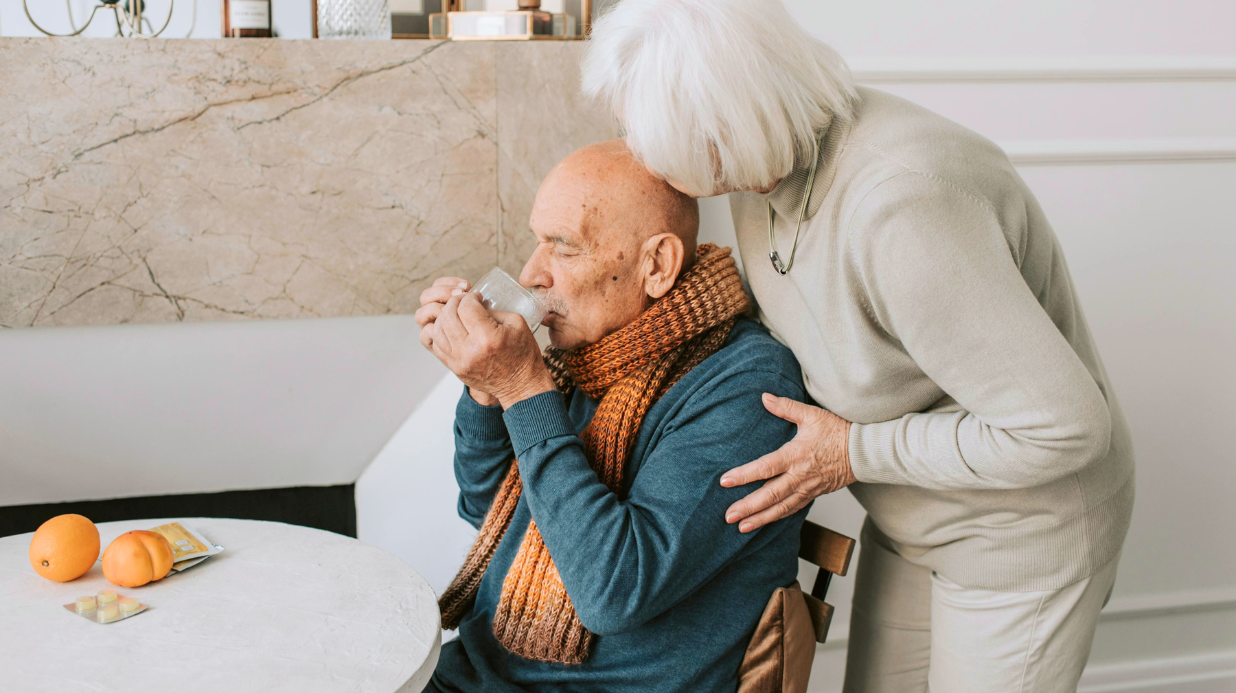
Winter can be a challenging season for aging loved ones. As people get older, it becomes harder to stay warm. Seniors often feel cold even when the temperature seems comfortable to others. And that sensitivity can increase their risk of hypothermia, illness, and falls.
With a few simple strategies, families and caregivers can support cold weather safety for seniors and help them stay comfortable and healthy all season long.
Here are some easy tips for older adults to stay warm! Plus, get insights into senior winter safety, safe heating practices, and how caregivers can help.
Why Seniors Feel Cold More Easily
Understanding why older adults get cold helps you better protect them. Common reasons include:
- Slower circulation
- Thinner skin and reduced fat stores
- Certain medications
- Chronic conditions like diabetes, heart disease, or thyroid issues
These factors make elderly cold sensitivity more common — and more dangerous. That’s why winter safety tips for seniors should be part of every family’s seasonal routine.
So, now let’s dive into how to keep older adults warm.
1. Dress in Warm, Comfortable Layers
Layering is one of the best ways to keep seniors warm in winter. Encourage your loved one to:
- Start with a moisture-wicking base layer
- Add warm, soft sweaters or fleece
- Wear thermal socks and supportive, closed-toe shoes
- Choose gloves, scarves, and hats for outdoor trips
When dressing seniors for winter, make sure layers are easy to put on and take off, not too bulky, and don’t restrict movement. Soft, stretchy fabrics help maintain warmth without creating fall risks.
2. Keep the Home Warm & Energy Efficient
Creating a cozy indoor environment is essential for senior winter health. Consider these tips:
- Keep the thermostat between 68–70°F
- Use weather stripping to block drafts
- Close curtains at night to retain heat
- Open curtains during the day for natural warmth
If heating bills are a concern, look into winter heating assistance programs for seniors, which can help reduce monthly expenses.
RELATED CONTENT: 10 Tips for Winterizing a Senior’s Home
3. Use Safe Heating Devices
Space heaters can help, but they must be used safely. For senior home heating safety, choose models that:
- Have automatic shut-off features
- Remain cool to the touch
- Are placed away from blankets and furniture
- Plug directly into a wall outlet, not an extension cord
Safe space heaters for seniors can improve comfort without increasing fire risk.
Electric blankets or heating pads may also help. Just make sure they are used on a low setting and never left on while your loved one is sleeping.
4. Eat Warm, Nutritious Meals
Food fuels body heat, which is especially important for keeping the elderly warm in winter. Encourage:
- Warm, hearty soups
- Oatmeal or warm cereals
- Hot tea or caffeine-free beverages
- Regular snacks throughout the day
If your loved one struggles with meal prep, a caregiver can help with cooking warm, nutritious meals that support senior winter wellness.
5. Stay Active to Boost Circulation
Movement helps increase body temperature naturally. Encourage safe indoor activities for winter, such as:
- Gentle stretching
- Walking around the house
- Chair exercises
- Light housekeeping tasks
These indoor activities to stay warm for seniors keep blood flowing and support overall mobility and health.
6. Watch for Signs a Senior Is Too Cold
Catching symptoms early helps prevent hypothermia in seniors. Watch for:
- Shivering or trembling
- Slowed speech
- Pale or cool skin
- Confusion or fatigue
- Clumsiness or increased fall risk
If you notice these signs that a senior is too cold, take action immediately. Try warming the room, adding layers, offering warm fluids, and contacting a healthcare provider if symptoms worsen.
RELATED CONTENT: Common Winter Hazards for Seniors
7. Support Safe Winter Outings
When going outside, consider these winter tips for seniors to prevent falls and cold-related injuries:
- Dress warmly with proper footwear
- Avoid icy sidewalks and parking lots
- Run errands together when possible
- Use transportation support instead of walking in harsh weather
Staying warm in winter for seniors in crucial! When possible, help with grocery shopping, appointments, and other errands to reduce your loved one’s exposure to the cold.
8. Consider Help from a Caregiver
Family caregivers play a key role in cold weather safety for seniors. Professional caregivers can:
- Assist with dressing warmly
- Prepare warm meals
- Ensure safe use of heating devices
- Provide transportation during poor weather
- Monitor for signs of hypothermia
- Keep the home clean, organized, and fall-free
Our caregivers help aging loved ones stay warm, safe, and independent at home — even during extreme temperatures.
Final Thoughts: Senior Cold Weather Tips
Staying warm in winter is essential for senior health, comfort, and safety. By focusing on how to help seniors stay warm and being proactive about heating and clothing, families can significantly reduce seasonal risks.
If your loved one needs additional help this winter, Caring Senior Service is here to support you. Our caregivers can assist seniors with dressing, errands, meal preparation, home safety, and daily activities to keep them comfortable and well all winter long. Find your local office to learn more.